
 EN
EN



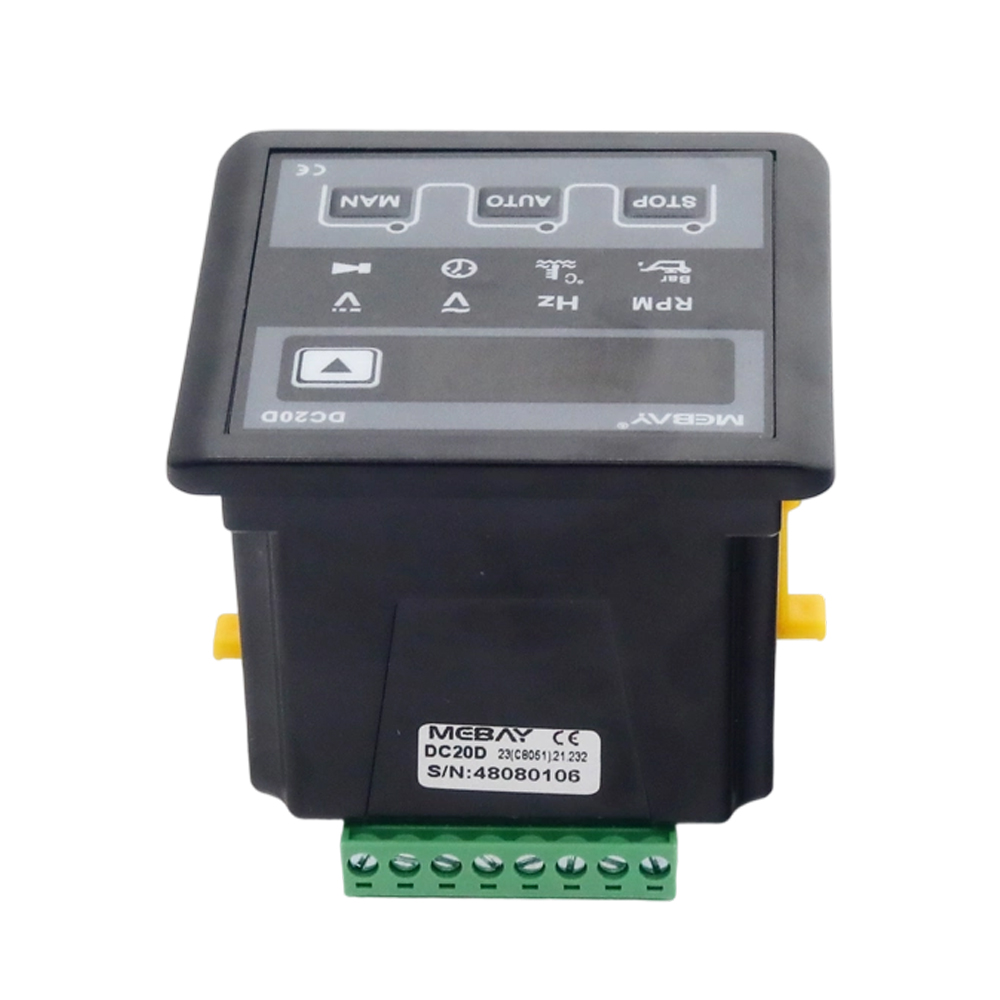
Why Standard Generator Control Panels Are Insufficient for Some Applications
Certain industries, like healthcare and IT data management, often 'cannot afford' any down time and require 100% reliable power. Standard generator control panels, as an off-the-shelf product, often are not suited for this type of requirement. Many of them lack the precision to control generator outputs to consistently maintain the voltage and frequency to avoid operational hazards to the end equipment, and therefore would cause generator control panel malfunctions. Within the critical infrastructure, poor generator power quality causes 74% of the downtime events, and of these downtime events, costs on average, $740k (Ponemon, 2023) to the enterprise, and the 3 areas of generator control panel malfunctions are:
- Lack of regulatory management of load for demand control, causing collapses of output voltage
- A severe lack of syncrasis with the Modern Building Control systems
- Somewhat generic safety protocols that restrict application and control of mission critical loads
Generators are most often interrupted during start-up control panel malfunctions. For example, many of the time standard transfer switches are unable to reverse the order of control and are unable to handle all of the loads.
It should be noted that for certain critical applications (like life support systems) the 8-15 second power gaps are acceptable. These panels do not provide adequate protection for surge and phase symptoms, and therefore cause the generator controls to fail. This is true even for state of the art emergency equipment such as network operation centers, life support systems, and certain instrument diagnostics.
Customizing Generator Control Panels and Their Applications
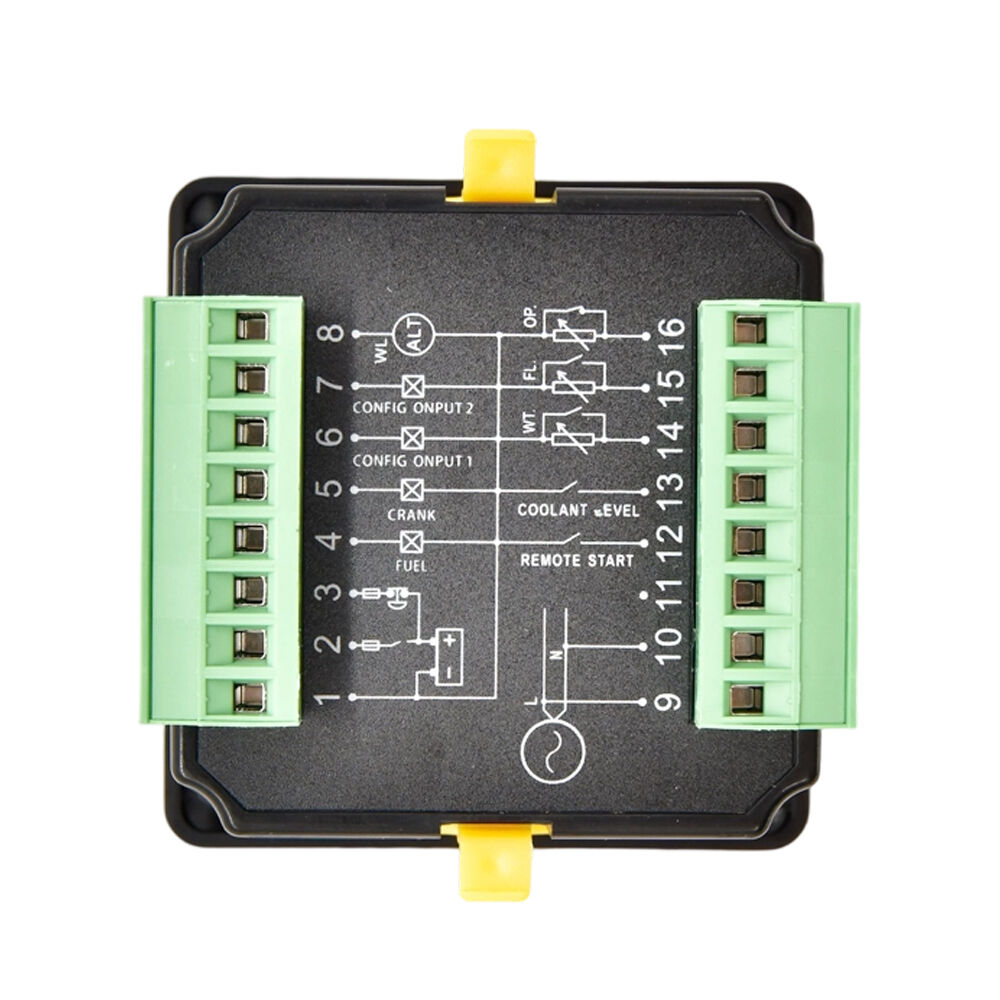
Adapting for Specific Load Profiles like Hospitals and Data Centres
Each sector imposes unique requirements for generator control panels. For hospitals, the greatest priority is transfer switching in under-operational 10 seconds, so as to avoid interruption of electrical power for life-support systems. In contrast, data centres’ servers are more susceptible to crashes due to unfiltered and sudden power fluctuations. Generator control panels therefore require the inclusion of power quality/harmonic surge control and filtering. The large inductive loads of industrial motor systems necessitate generator panels that incorporate soft-start capabilities. Each of the mentioned adaptations serve to avoid the large economic loss incurred for each hour of data centre operation which is, on average, $740,000 (Ponemon 2023). Some of the important parameters are:
- Step-load capacity
- Voltage regulation (±0.5% for medical imaging)
- Frequency stability (<±0.25 Hz for hyperscale data centres)
Legal Compliance and Design: Integration of UL 508A, UL 698A, and NFPA 99
It is a legal requirement that generator control panels be designed to specific standards in every critical mission environment. Panels certified under UL 508A provide industrial control that meets the necessary protective requirements to limit the severity of an arc flash and to ensure proper component spacing. NFPA (2024) claims that the absence of these requirements produces a 34% increase in the risk of a fire. UL 698A governs explosion-proof, use of intrinsically safe (i.e. excluding risks of explosion) circuits in hazardous location panels. The NFPA 99 code dictates the monitoring circuits for each life-support branch be scaled to 150% and that the redundancy requirement is met. The Compliance integration guides are:
Design Element UL 508A Requirement NFPA 99 Healthcare Requirement
Circuit Packages Control voltages must be physically separated Essential System Branch Paths must be isolated
Alarm functions/Audible and visible alarms Integrated, nurse-call, and tiered alerts $ (NFPA 99 99 2020)
Testing Protocol Annual bank testing (NFPA 70, 5.3.1.99) Weekly self-tests $ (NFPA5 99 2020)
Capabilities for Contemporary Infrastructure Integration
Post Integration of SCADA, BMS, Modbus, and GSM
The modern generator control panels which are designed today must work in conjunction with the existing infrastructure. Real-time information sharing simplifies operational silos, fostering generator performance monitoring alongside HVAC and the security of your room’s power distribution. This seamless integration brings a decrease in implementation costs of thirty percent and decreases the response time to fluctuations in the grid and fuel more rapidly. These panels work to incorporate the integration of mechanical, electrical, and automation systems to work together. This helps to maintain the system of data centers and hospitals.
Intelligent Safety and Alarm Management within Mission-Critical Environments
Reducing Downtime: SMS, Email and SCADA Tiered Alarm Management
Mission-critical data centers and hospitals suffer operational and financial consequences due to generator downtime. An intelligent generator control panel minimizes downtime through a tier alert system which ranks alarms according to severity. Critical alarms such as leaks call for immediate action and SMS/email notifications are sent to on-site staff. Secondary issues are recorded for routine maintenance and floor logs. Unacknowledged alarms are sent to superintendents for SCADA escalations within a designated time. This protocol eliminates extended response time to alarms, and directs personnel toward their duty. The result is a reduction in downtime to less than seventy percent when compared to traditional alarm systems, and an improved reliability of continuous power provision.
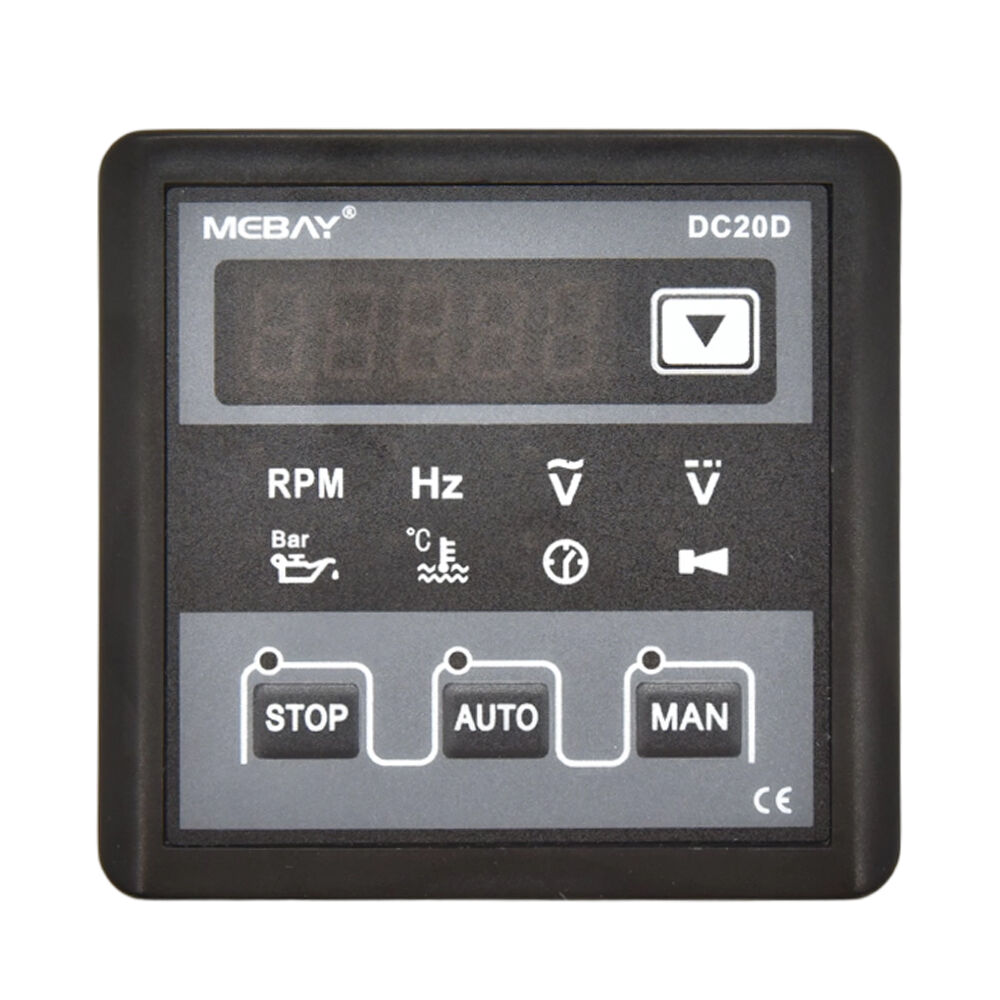
Are PLC-Based Generator Control Panels More Adaptive Than Relay-Based Generator Control Panels?
When considering applications of generator control panels, the choice between PLC (Programmable Logic Controller) panels or Relay Based Generator Panels affects the adaption of the control panel for changing operational needs. PLCs have the advantage of having the control based on logic of control that is software managed, hence on the relaying of control or wiring, logic can be easily reprogrammed as the wiring can be integrated. In comparison, relay based control panels require the changing of relay logic based on the panel components, meaning there is a risk of downtime for the relay control panel.
Dimension PLC-Based Systems Relay-Based Systems
Flexibility Software control (no relay changes) Relay changes needed
Reliability No relay components; no failures Relay based components that wear
Complexity No advanced logic constraints Poor logic due to gaps in design
Future-Readiness No hardware constraint scaling Expansion is based on hardware
Due to the control relay component, PLC panels are best suited for severely constrained environments and high reliability is intrinsically integrated. PLC components result in 40% more achievable maintenance goals due to the inherent design of control relays. Relay control panels do not support the predictive maintenance of integrated control relays. Hybrid solutions relay the framework of control for integrated components and ensure the balance of control components is optimized, achieving the balance of control relays across the vertical.
FAQ
What are the difficulties of general generator control panels?
When applicable, general generator control panels have not been able to perform load management due to not being able to sync control to advanced management systems and framework incorporating control relays, which mean they’re unable to achieve high structured safety goals.
How can customized generator control panels help improve the reliability of power?
They can be adapted for use in particular settings like hospitals, data centers, and factories, and can reduce the risks of expensive outages with rapid speed, harmonic filtering, and surge protection.
What is the role of compliance in generator control panels for mission-critical applications?
Compliance relates to the stringent regulations required for the protection of several risks including fire for mission-critical applications, specifically for the protection of life-support systems redundancy and over-sizing.
What advantages do PLC (Programmable Logic Controller) systems bring over relay systems?
PLC systems offer better flexibility for the user with the option of re-programmability, increased reliability and capacity for complex logic/functions, and better preparation for the future with the ability to integrate with IoT/cloud systems.

