
 EN
EN



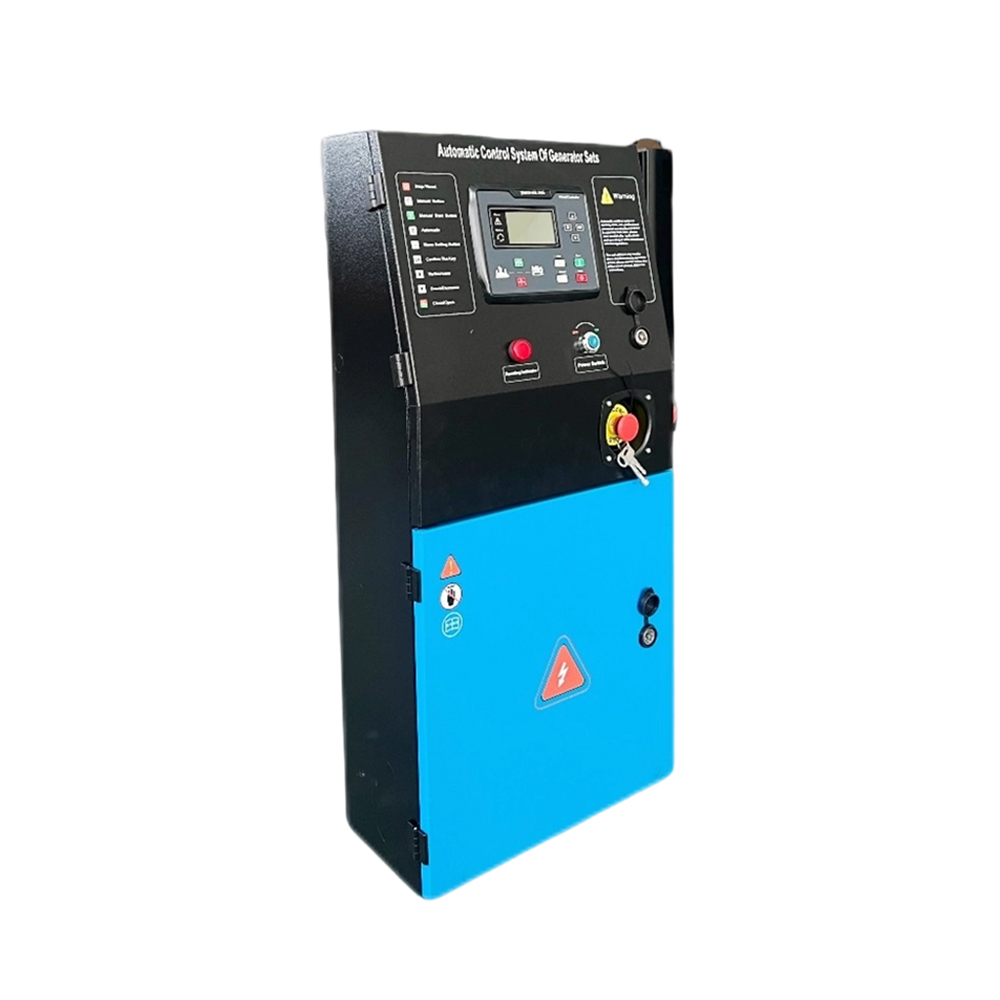
Resolving Critical Vulnerabilities in Industrial Power Synchronization Systems
Operational Vulnerabilities of Manual Supervision and Generator Controller Limitations
Managing heavy industrial operations or critical infrastructure facilities requires a constant supply of clean, reliable electric power. When facility engineers rely on outdated, manual distribution switches or low-tier control panels, the entire production network faces immediate operational risks. Sudden load spikes can cause localized blackouts, damaging sensitive precision machinery and halting manufacturing lines. Integrating an advanced industrial generator controller addresses these critical vulnerabilities by executing automated start-up commands, monitoring load demands, and enabling seamless parallel operations across multiple power assets. Relying on legacy manual systems instead of modern microprocessing units introduces severe risk factors, including human switching errors, prolonged downtime during utility blackouts, and unmanageable phase-angle mismatches that threaten localized grid infrastructure.
Technical Risks of Inadequate Synchronous Control and Cross-Current Disasters
A major operational failure in commercial power distribution involves mismanaging synchronization parameters—specifically voltage matching, frequency alignment, and phase-angle synchronization. Lower-tier monitoring units that lack automatic load-sharing capabilities present major financial and physical safety risks to data centers and manufacturing plants. Microscopic variations in engine speed or voltage regulation can cause heavy cross-current flows between paralleled units. This back-feeding phenomenon damages alternator windings, triggers immediate circuit breaker trips, and causes premature engine wear. For high-volume manufacturing grids processing raw materials, a single synchronization failure can lead to expensive infrastructure repairs, extensive grid downtime, and compromised operations. Utilizing active electronic dead-bus synchronization keeps power management systems perfectly predictable and safe.
High-Volume Mining Infrastructure: Real-World Power Automation Upgrades
Practical experience within continuous industrial extraction spaces highlights the commercial value of transitioning away from manual grid isolation configurations toward automated synchronization frameworks. A prominent mid-sized mining operation processing industrial aggregates audited its on-site power infrastructure after experiencing high engine rebuild costs and poor power quality on its processing lines. The facility relied on three unlinked deep-cycle industrial units where field technicians manually adjusted fuel throttles to match fluctuating crusher demands. This process caused an eleven percent voltage deviation rate and frequent engine stalling during peak material sorting shifts. The technical management team resolved this operational bottleneck by integrating an automated multi-unit generator controller network fitted with digital load-sharing modules and automated motorized circuit breakers. Within ninety days of full deployment, the processing plant dropped voltage tracking anomalies to zero while lowering fuel consumption by twenty-four percent. The microprocessing architecture maintained structural phase-angle alignments perfectly, increasing continuous extraction capacity by thirty-five percent.
Engineering Principles and System Logic of Automated Parallel Infrastructure
The Physics of Phase-Angle Synchronization and Active Load-Sharing Control
Achieving flawless parallel operation and balanced kW/kVAR division requires a deep mastery of alternating current (AC) physics, magnetic flux, and governor speed loops. An intelligent generator controller monitors the live busbar and oncoming engine statistics simultaneously through high-speed analog-to-digital sampling channels. The internal software algorithm tracks voltage amplitudes, phase-angle offsets, and frequency matching in real time, calculating the precise instant where both waveforms line up identically. Once synchronization parameters meet strict tolerances, the control module issues a high-speed closure command to the motorized breaker. This advanced engineering layout eliminates mechanical torque shock, allowing multiple units to merge onto a shared busbar seamlessly without causing transient voltage dips or frequency fluctuations.
Thermodynamic Principles of Digital Fuel Regulation and Generator Controller Logic
To optimize thermal efficiency and prevent engine glazing under low-load conditions, modern power automation relies on digital fuel management and smart load-dependent starting protocols. The central generator controller communicates directly with electronic engine control units (ECU) via J1939 CANbus protocols to track engine temperatures and fuel injection metrics. When plant demand drops below a specific threshold, the automated system calculates the optimal balance of active engines required to keep operating loads above forty percent of capacity. This operating standard prevents low-temperature exhaust slobber and wet stacking, while automatically starting up and synchronizing auxiliary units when load thresholds climb. Managing the system this way protects mechanical components and maximizes fuel efficiency across continuous operational shifts.
Sourcing Standards and International Electrical Engineering Benchmarks
Procuring automated switchgear hardware for industrial infrastructure demands full alignment with international electrical safety codes, grid connection rules, and quality management systems. Sourcing engineers evaluating a modern generator controller must ensure full compliance with international standard groups, such as NFPA 110 requirements for emergency power systems, OSHA workplace safety metrics, ISO 9001 quality management structures, and ANSI design parameters. These guidelines define strict clear rules for component isolation, electromagnetic compatibility, and transient voltage protection. Designing power systems to match these strict international benchmarks ensures that automated switchgear layouts can handle heavy electrical faults and high-vibration environments without component failure, passing third-party safety inspections easily.
Sourcing Architecture and Lifelong Preventative Maintenance Protocols
Critical Selection Metrics for Engineering Procurement Specialists
Selecting a dependable power automation manufacturing partner requires evaluating microprocessing precision, communication protocol adaptability, and modular building configurations rather than looking at low-grade retail outlets. Sourcing specialists building a resilient standby network must verify that a control unit supports industry-standard Modbus RTU or Ethernet TCP/IP connections for remote SCADA integration. Choosing hardware with comprehensive event-logging memory allows facility managers to review historical parameter shifts instantly, diagnosing minor voltage drops before they lead to component failures. Sourcing teams should also analyze the build quality of external enclosures, prioritizing IP65-rated, UV-stabilized front panels over standard alternatives to withstand harsh outdoor conditions and high-temperature engine bays.
Calibration Checklists and Preventative Structural Maintenance Routines
The ongoing precision and structural longevity of automated power assets depend on structured preventative maintenance schedules and regular sensor verification routines. Over months of multi-shift operations, high-vibration environments and thermal expansion can loosen wiring terminations and drift voltage sensing accuracy, which can degrade load-sharing balance if left uncorrected. Plant managers should mandate weekly inspection schedules to check terminal tightness and clean dust from ventilation slots. Standardizing on monthly validation procedures—such as testing automatic mains failure (AMF) start triggers and verifying reverse-power protection relays—stops unexpected blackout failures, extends the operational life of the switchgear, and ensures every power asset delivers clean energy to critical infrastructure.
Choosing a Reliable Storage Solution Partner
Building a highly resilient and automated industrial power network requires a dependable engineering partner capable of delivering consistent material quality and steady global supply chain support. Sourcing commercial power automation systems from producers with deep technical expertise and advanced fabrication facilities ensures that every deployed asset performs reliably under heavy shift use and strict environmental routines. This is where aligning with an established global manufacturer like GCLE provides exceptional long-term value. With sophisticated production infrastructure and a strong focus on precise quality management, GCLE consistently provides premium generator controller selections designed to meet rigid international safety and commercial performance standards. Partnering with a globally integrated manufacturer gives engineering enterprises reliable access to a robust equipment catalog, deep customization expertise, and consistent construction quality that keeps facility expansions moving smoothly year after year.
Frequently Asked Questions
Can a modern generator controller execute parallel operation across different engine brands?
Yes, industrial control units manage synchronization by interfacing directly with varying governor types and automatic voltage regulators (AVR) using standard analog or digital biasing signals. This cross-brand compatibility allows facility engineers to parallel engines from different manufacturers on a single shared busbar while maintaining balanced load sharing.
How does automatic load-dependent starting save fuel in multi-unit configurations?
The system monitors total active busbar demand in real time and automatically shuts down excess engines when demand drops. Keeping active units running within their peak fuel-efficiency zones prevents wet stacking and unnecessary engine wear, significantly lowering overall operational fuel costs.
What steps protect paralleled engine assets if a synchronization failure occurs?
Advanced control units incorporate automated safety relays that monitor reverse power, over-current, and phase-angle drift continuously. If an anomaly is identified, the system opens the motorized circuit breaker within milliseconds, isolating the faulty unit to protect the broader electrical grid.
Why is J1939 CANbus communication vital for automated power management systems?
J1939 CANbus architecture supports high-speed digital data transfer between the engine ECU and the controller. This communication link tracks critical parameters like oil pressure, diagnostic fault codes, and fuel usage without requiring extensive separate sensors and complex wiring.
How do procurement teams verify the safety ratings of industrial switchgear units?
Procurement specialists should prioritize hardware that complies with NFPA 110, ISO 9001, and ANSI guidelines. These international standards guarantee that the control components have undergone rigorous testing for electromagnetic interference, vibration endurance, and electrical fault isolation.
What is dead-bus synchronization and how does it optimize emergency power recovery?
Dead-bus synchronization allows multiple engines to start up simultaneously and close their breakers onto an unenergized busbar at the same time. This technique skips traditional sequence-matching delays, enabling faster power restoration for critical facility infrastructure during total blackouts.
How should a generator controller be maintained to prevent sensor calibration drift?
Facility operators should perform monthly software parameter audits and cross-reference controller voltage readings with calibrated digital multi-meters. Cleaning wiring paths, checking terminal tightness, and updating control firmware prevent sensor drift caused by high-vibration wear.
Can automated control systems integrate with existing building management setups?
Yes, industrial control units feature integrated Modbus RTU and Ethernet TCP/IP ports, allowing seamless connection to external SCADA or building management systems. This link enables remote monitoring, data logging, and manual intervention from a centralized facility control room.
Table of Contents
- Resolving Critical Vulnerabilities in Industrial Power Synchronization Systems
- Engineering Principles and System Logic of Automated Parallel Infrastructure
- Sourcing Architecture and Lifelong Preventative Maintenance Protocols
- Choosing a Reliable Storage Solution Partner
-
Frequently Asked Questions
- Can a modern generator controller execute parallel operation across different engine brands?
- How does automatic load-dependent starting save fuel in multi-unit configurations?
- What steps protect paralleled engine assets if a synchronization failure occurs?
- Why is J1939 CANbus communication vital for automated power management systems?
- How do procurement teams verify the safety ratings of industrial switchgear units?
- What is dead-bus synchronization and how does it optimize emergency power recovery?
- How should a generator controller be maintained to prevent sensor calibration drift?
- Can automated control systems integrate with existing building management setups?

