
 EN
EN



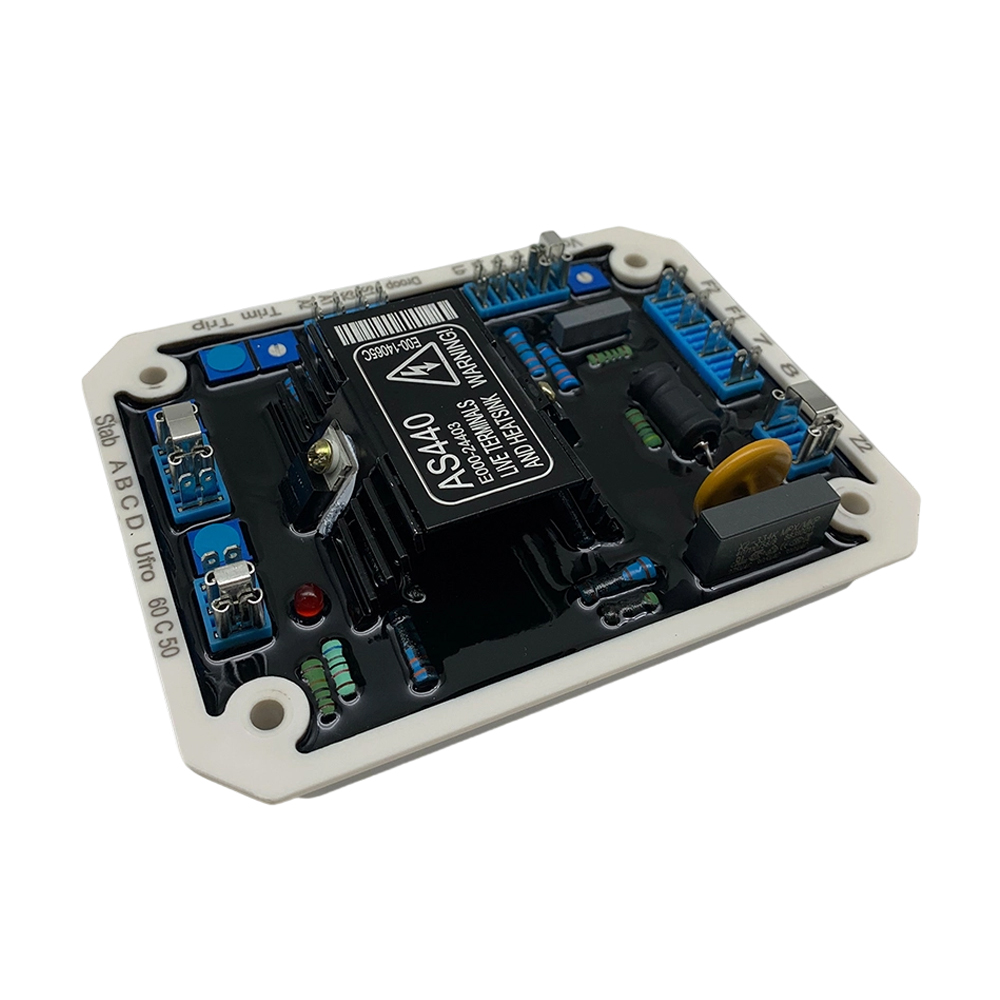
Core Protection Mechanisms of the Automatic Voltage Regulator
Real-time voltage sensing and anomaly detection
Voltage levels are continuously monitored by Automatic Voltage Regulators (AVRs) employing state-of-the-art precision sensors. They identify minute voltage level changes (less than +/- 1% variance) and make corrections in less than 2 milliseconds. These precision sensors are able to identify changes in voltage that are outside specified norm limits. To correct the problem, a voltage sensor measures input voltage, compares changes with established reference levels, and activates corrections. This helps protect sensitive electronic system components (circuit boards, motor windings, etc.) from the cumulative effect of damage caused by voltage levels that are outside of normal operating ranges.
Control logic and response time: Servo, relay, and static automatic voltage regulator architectures
Servo systems use motor-driven variable transformers which have a mechanical response time that is within the range of 500 ms to 2 seconds.
Relay based designs use electromagnetic switches which react within time frames of 100 ms to 500 ms
Static designs use semiconductor switch (SCRs/IGBTs) correcting within times less than 20 ms
Static Automatic Voltage Regulators (AVRs) are the most preferred in applications that are mission critical. This is because of the microsecond level stability that can be achieved within processes such as semiconductor fabrication or MRI systems. If stability is not present at a microsecond level, system and processing data corruption occurs.
Methods for voltage correction: precise adjustments, modifications, and technology stamping
Anomalies are dealt with by the AVR using one or more of the three main correction techniques:
Method Use Case Precision
Boosting Correcting undervoltage sags ±1%
Bucking Recursive overvoltage surges ±1.5%
Tap-changing Adjusting transformer windings ±0.5%
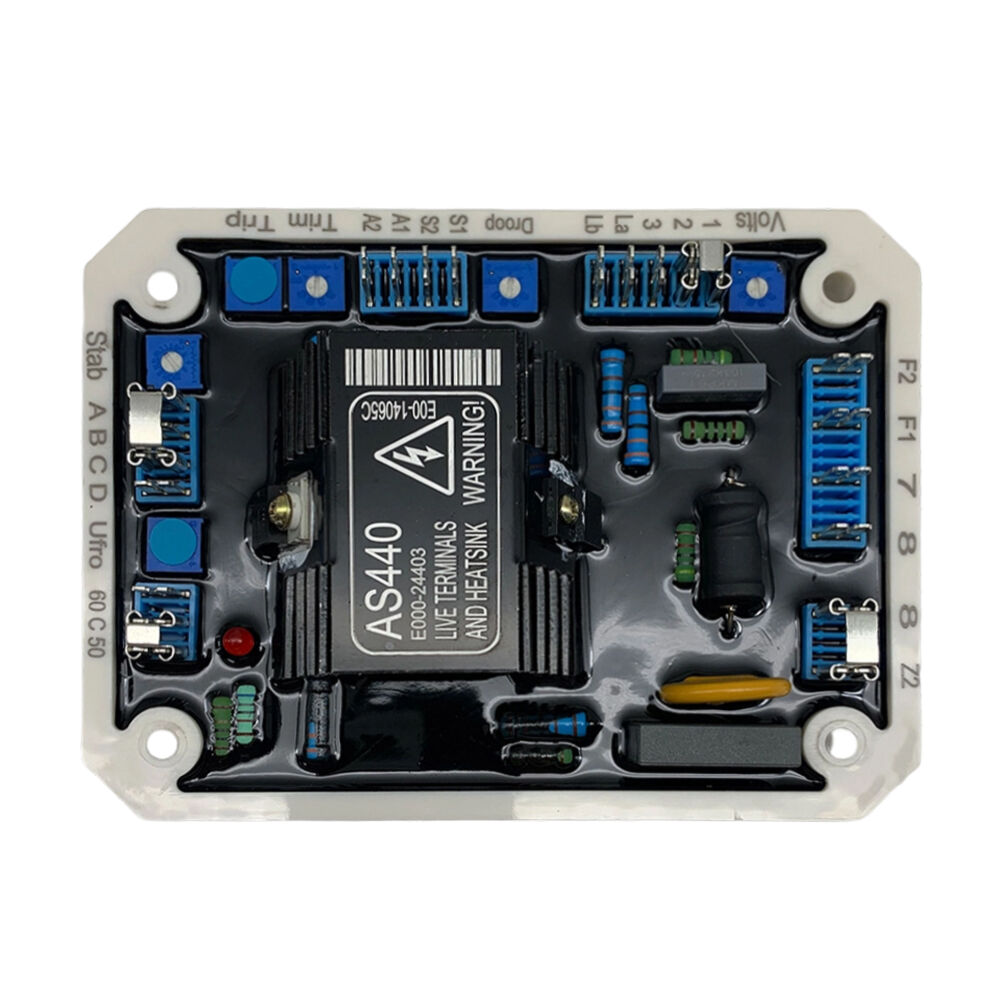
Buck-boost transformers control moderate fluctuations using electromagnetic induction. Multi-tap regulators, on the other hand, provide high-precision stabilization for laboratory instruments and calibration-grade equipment. Coupled with the revised 1159-2019 clause of the IEEE 1159- standard, the new developments lead to approximately 40% increase in equipment service life with respect to stable service voltage.
Automatic Voltage Regulators (AVRs) monitor and control voltages to avoid insulating and damaging equipment. At voltage levels above 110%, AVRs become active and use clamping methods to preserve the insulation systems of a motor and transformers. If the voltage is above the (undervoltage) 90% threshold, the AVR will prevent the motor from overheating due to the dangerous locked rotor current surges that can damage the windings of the motor. One factor that leads to the early failure of equipment is the low voltage condition and the role of the motor windings in the failure is the consequence of the rapid failure process caused by excessive current from a low supply voltage that the motor endure while retaining its winding and its insulation. AVRs eliminate the need to supply equipment with excessive power and the associated risk of rapid failure.
Case study: Industrial PLC failure reduction after AVR retrofit (42% drop in undervoltage-related faults)
An automotive component manufacturing facility installed automatic voltage regulation (AVR) devices in the control circuit of their assembly plant, which resulted in a nearly 50% reduction in PLC failures in a six month study period. Prior to the installation of AVRs, the facility was experiencing repeated PLC resets resulting in severe production disruptions. The control system was experiencing voltage drop problems, which would cause assembly line production to abruptly stop. Following the retrofit, the PLC control system of the facility maintained 230V output with only minor fluctuations of +/- 3% from the set point. This negligible fluctuation meant the risk of output levels resulting in equipment damage was eliminated. The facility was losing 37% fewer hours per month due to PLC resets. Thermal imaging of the facility’s PLC control system post AVR’s installation revealed a significant reduction in the operating temperature of the system and control modules, which was attributed to a reduction in electrical strain on the system. This resulted in an extended service life of the PLC control system.
Protection of Electrics and Motors Against Instant Damage by Effects of Fluctuating Voltage
Mitigation of sags, brownouts, surges, and spikes – effects on reliability of semiconductors and insulation of motor windings.
The automatic voltage regulator (AVR) provides a first line of defence against most of the voltage problems that can cause further downstream damage to equipment. Motors are typically browntouted (voltage drop) due to current overdraw that results in insulation breakdown and ear premature failure of bearings. Surges and spikes (negative micro-voltage bursts) also caused overshoot and microsecond range breakdown (semi) conductors due to so-called ‘electronic migrations’ that reportedly caused significant anomalies by reducing the operational life of electronics by, almost, a factor of 2. Material overheating, accessibility to static shock control boards damaging equipment, and VFDs operating devices W range from MRI machines to computerless devices are all, sensitive on the general operational range. Systems operational range of 0. 1% operational minimal, leading to operational failure (visible or hidden) undesirable. 10% operational from the minimal standard level leads to reliability issues making the systems overall operational range failure meaning the systems range.
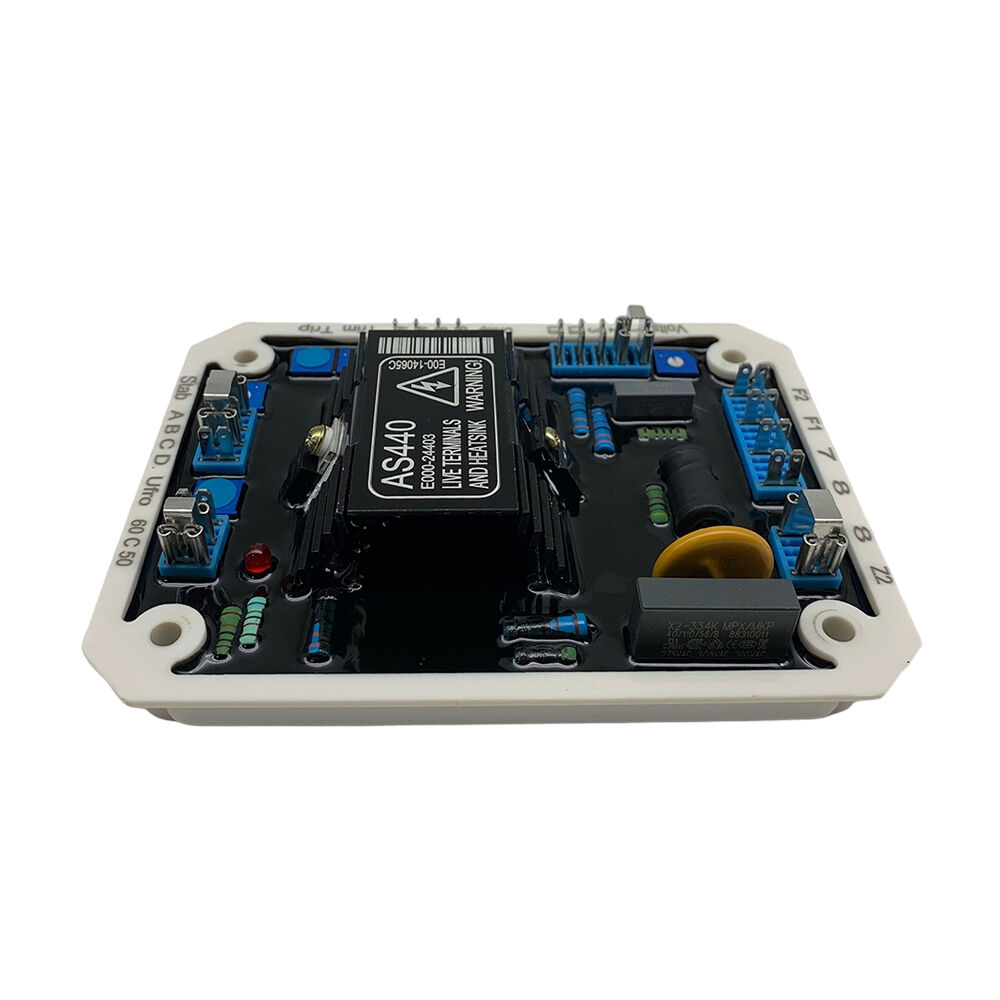
Long-Term Equipment Reliability and Safety Benefits of the Automatic Voltage Regulator
Voltage stability versus equipment lifespan: Data from IEEE Std 1159-2019 and field maintenance records
Maintaining stable voltage levels has been shown to positively impact the longevity of equipment. On the contrary, the power supply fluctuations leads to electrical components failing faster. Insulation is worn, the windings sustain damage, and the printed circuit board circuitry degrades faster than expected. The IEEE standards from 2019 documented transformers losing about 50% of their lifespan and motors losing 15 to 20% of their efficiency when operated outside the band of plus or minus 10%. The real-world evidence is not lacking. Factories installing automatic voltage regulators evidenced a reduction of 30% in replacement costs for five years. The maintenance records showed an even more remarkable improvement. Equipment subjected to appropriate voltage regulation controls failed 42% less due to the absence of power surge and rapid temperature variations.
Consistent voltage regulation improves safety by minimizing fire risk and catastrophic failure
Insulation failures, arcing faults, and electrical fires are catastrophic failures caused by overvoltages. It's especially dangerous in older buildings with older, decaying wiring. Automatic Voltage Regulators (AVRs) provide a safeguard against all of these failures because they constantly monitor voltage and adjust it to within a specified range of +/- 2%. This regulation prevents overheating and damaging surges. From actual industrial field data, electrical fires decreased almost 60% with the addition of AVRs. AVRs reduce the occurrence of short circuit failures and, as a result, reduce the cascade failures of systems. This is exactly what the NFPA 70E-2021 aims to achieve, which is to reduce the risk of arc flash while protecting people and equipment.
FAQ Section
What is an Automatic Voltage Regulator (AVR)?
An Automatic Voltage Regulator (AVR) is a device that regulates to a preset voltage, and is used to control the voltage levels so that electrical equipment can function optimally.
How does an AVR detect a voltage anomaly?
AVRs are equipped with advanced technology and use very accurate sensors that monitor the input voltage levels continuously.
What are the types of AVR architectures?
The three main types of AVR architectures are servo systems, relay-based designs, and static units. Each one has a different response time, and different levels of synchronicity and are suited for different applications.
How do AVRs handle overvoltage and undervoltage?
Overvoltage protection involves clamping circuits and for undervoltage, extreme current flow is limited, thereby protecting and prolonging the life of the equipment.
What is the significance of voltage stability for electronic equipment?
Stable voltage is important because it eliminates the possibility of premature component failure, the risk of electrical fires and inefficient operation. It prolongs the life of the electrical devices and the semiconductors.

