
 EN
EN



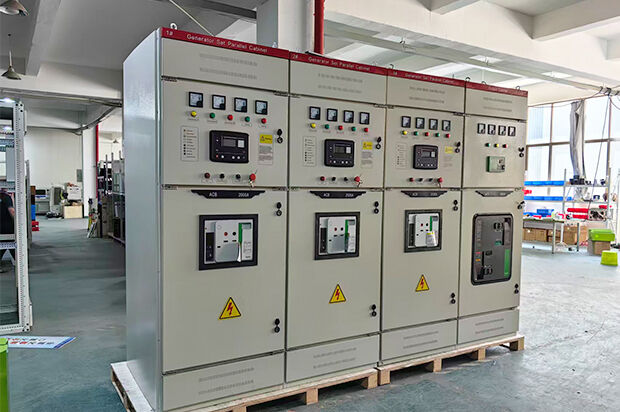
How Genset Automatic Start and Stop Control Works
Uninterrupted Power Transitions: The Role of Intelligent Transfer Switches
An Automatic Transfer Switch (ATS) enables seamless, uninterrupted power source transitions during grid failures. It continuously monitors utility voltage and frequency—and when deviations exceed preset thresholds, it instantly signals the genset controller to initiate startup while isolating the faulty grid connection. Critical loads remain powered via the Uninterruptible Power Supply (UPS) bridge during the brief generator ramp-up phase. Once the genset achieves stable voltage, frequency, and load acceptance, the ATS performs a synchronized transfer—shifting loads without interruption. When grid power is restored and verified as stable, the ATS reconnects the load to the utility and commands the genset to enter its cool-down sequence before shutdown. This fully automated orchestration prevents damaging power gaps, making it indispensable for data centers, hospitals, and other mission-critical facilities.
Control Logic Architecture: Engine Controllers, Sensors, and Signal Flow
Modern genset control systems rely on tightly integrated hardware and software layers. At the core sits the engine control module (ECM), which processes real-time inputs from grid monitoring sensors—including voltage transducers and frequency detectors. If anomalies persist beyond programmable delay timers (typically 1–5 seconds), the ECM activates the starter motor. Cranking continues until ignition sensors confirm combustion, while coolant temperature probes and oil pressure switches verify safe operating conditions before loading. During shutdown, the ECM enforces mandatory cooldown periods—typically 1–5 minutes—to prevent thermal stress. Advanced controllers also support scheduled load testing, automatically exercising the genset during low-demand periods. Sensor data flows via CAN bus networks to centralized monitoring platforms, enabling predictive maintenance alerts based on performance trends. This architecture minimizes manual intervention while maximizing system reliability and longevity.
Essential Conditions for Reliable Genset Auto-Start and Auto-Stop
Voltage, Frequency, and Duration Thresholds That Trigger Auto-Start
Reliable auto-start depends on precise, context-appropriate threshold settings. The controller constantly monitors utility voltage and frequency; common trigger points include voltage dropping below 80% of nominal and frequency deviating by more than ±5%. A confirmation delay—usually between 1 and 5 seconds—ensures transient fluctuations don’t spur false starts. Only if the anomaly persists for the full duration does the controller engage the starter motor. Proper calibration balances responsiveness with resilience, ensuring the genset activates only during genuine outages—reducing unnecessary wear and extending component life.
Power Restoration Protocols and Controlled Shutdown Delays
Auto-stop functionality hinges on robust power restoration verification. After grid return, a stabilization timer—commonly set between 30 seconds and 5 minutes—confirms consistent voltage and frequency recovery before initiating transfer back to utility power. Once confirmed, the ATS re-engages the grid and the genset enters its cooldown phase. This controlled run allows engine temperatures, turbocharger speeds, and lubrication systems to normalize gradually. Only after cooldown completes does the ECM execute shutdown—preventing thermal shock, oil coking, and premature wear. These protocols are codified in industry standards such as NFPA 110 and ISO 8528, underscoring their role in maintaining long-term reliability and compliance.
Remote Monitoring and Control Integration for Modern Gensets
BACnet, Modbus, and Cellular Telematics in Genset Management
Contemporary gensets integrate seamlessly into facility-wide infrastructure using open communication protocols like BACnet and Modbus. These standards enable real-time visibility into key parameters—including engine temperature, fuel level, battery voltage, and runtime hours—via centralized building management systems (BMS) or cloud dashboards. Complementing this, cellular telematics deliver off-site alerts for critical events: failed auto-start attempts, low coolant, or abnormal shutdowns. Bidirectional connectivity allows remote diagnostics, manual override commands, and proactive maintenance scheduling—all without requiring onsite presence. This integration supports regulatory adherence (e.g., EPA Tier 4 emissions limits and runtime logging requirements) while reducing inspection frequency and improving operational accountability.
Why Most Gensets Fail to Leverage Auto-Start/Stop Capabilities
Human error remains the most common cause of auto-start/stop failure. Technicians frequently leave the main control switch in “Off” or “Reset” after service—a simple oversight that disables the entire automatic sequence. Likewise, persistent “Not in Auto” warnings on control panels often go unaddressed until an outage occurs. Battery degradation is equally critical: corroded terminals, undercharged batteries, or failing battery chargers interrupt the starting circuit before cranking begins. Even a tripped emergency stop button—or a single loose sensor wire—can halt the logic chain entirely. Modern electronic controllers demand stable DC power, clean signal paths, and appropriate environmental conditions. Without routine validation—including control panel status checks, battery load testing, and ATS functional tests—these systems degrade silently. Preventive maintenance isn’t optional: it’s the foundational practice that ensures auto-start/stop logic remains active, accurate, and ready when needed most.
FAQ Section
What is an Automatic Transfer Switch (ATS)?
An ATS is an intelligent device that enables seamless power transitions between utility and generator sources, ensuring uninterrupted service during outages.
How does genset auto-start functionality work?
The genset controller monitors voltage and frequency anomalies in the utility power. If irregularities persist beyond a preset delay, the system activates the genset’s startup sequence.
Why is a cooldown period important for gensets?
Cooldown periods allow engine temperatures and lubrication systems to stabilize gradually, preventing thermal stress and long-term damage.
What protocols enable remote monitoring of gensets?
Protocols like BACnet, Modbus, and cellular telematics facilitate real-time monitoring, remote diagnostics, and management of genset systems.
What are common issues that affect genset auto-start/stop capability?
Common problems include incorrect control panel settings, battery degradation, and overlooked warnings, emphasizing the need for regular maintenance and validation.

