
 EN


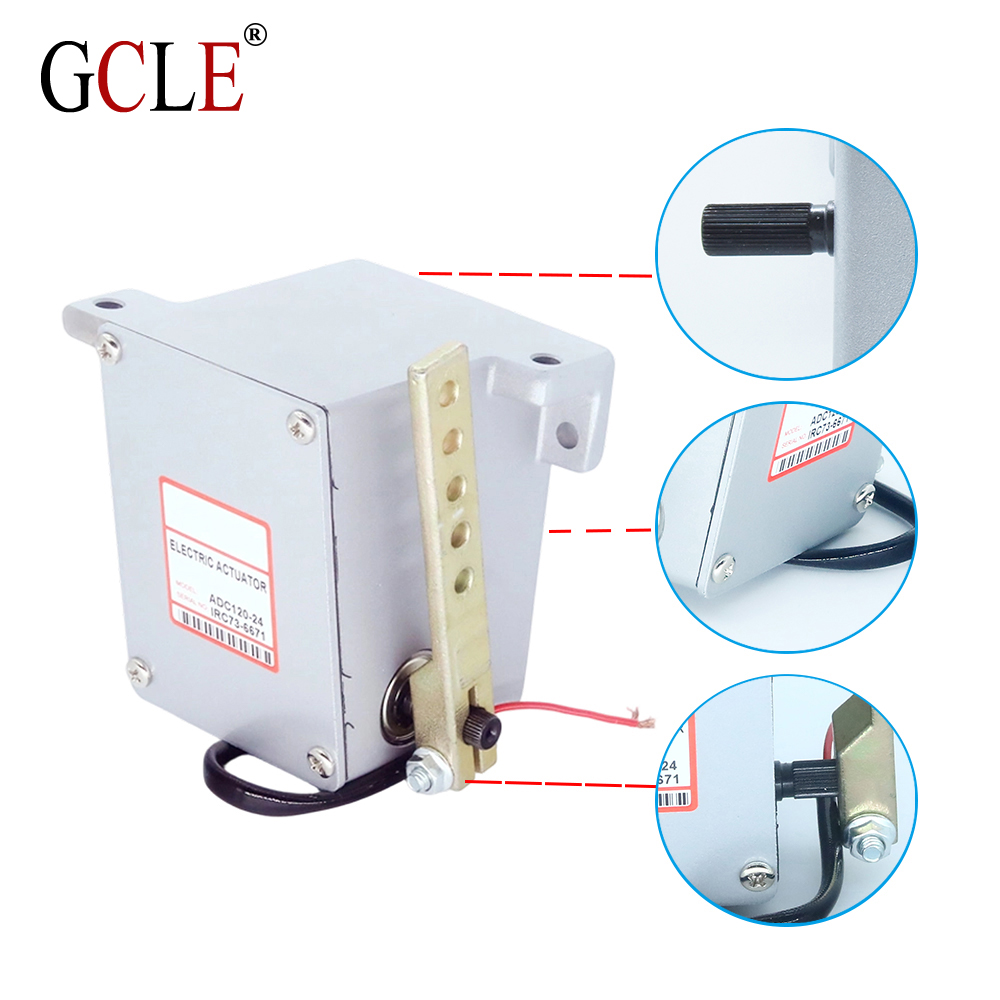
The short answer is yes. Engine solenoids are among the most common electromechanical components in engines of every size, and the 12V and 24V DC systems that power them are the two dominant architectures across small engines, industrial engines, and gensets. The 12V standard covers most compact engines, including small gensets, while 24V systems serve larger industrial engines where cranking current and cable runs favor the higher voltage. Both architectures use the same basic device: a coil that converts electrical energy into linear motion, switching current to a starter motor or moving a fuel control element. Understanding why each voltage exists, and where each engine solenoid is applied, explains most of what maintenance and procurement teams need to know about these components.
Real-World Industry Case / Scenario
A Rental Fleet's Solenoid Failure Log
An equipment rental company operating several hundred small gensets and industrial engines logged every electrical no-start event over two years. The records separated failures into batteries, starters, wiring, and solenoids. Engine solenoid faults accounted for a meaningful share of electrical failures, with two patterns dominating: coils that had overheated from poor connections, and plungers that had corroded in place after pressure washing or long-term humidity exposure. The voltage split of the fleet, mostly 12V machines with a growing number of 24V units, made one additional detail obvious: the 24V machines showed proportionally fewer voltage-drop complaints, because their higher system voltage tolerated longer cable runs with less loss.
The fleet used the failure log to restructure its spares program. Instead of carrying one of everything, it standardized on a small set of engine solenoid part numbers covering the dominant 12V and 24V configurations, with connector styles and current ratings matched to the machines in service. Technicians received a one-page diagnostic card listing expected coil resistance ranges and the voltage checks that isolate an engine solenoid fault from a wiring fault. No-start events traced to solenoids dropped over the following year, not because the engine solenoid components changed, but because the diagnosis and the spares finally matched the fleet.
Risk & Failure Mode Analysis
Voltage Drop and Wiring Risks
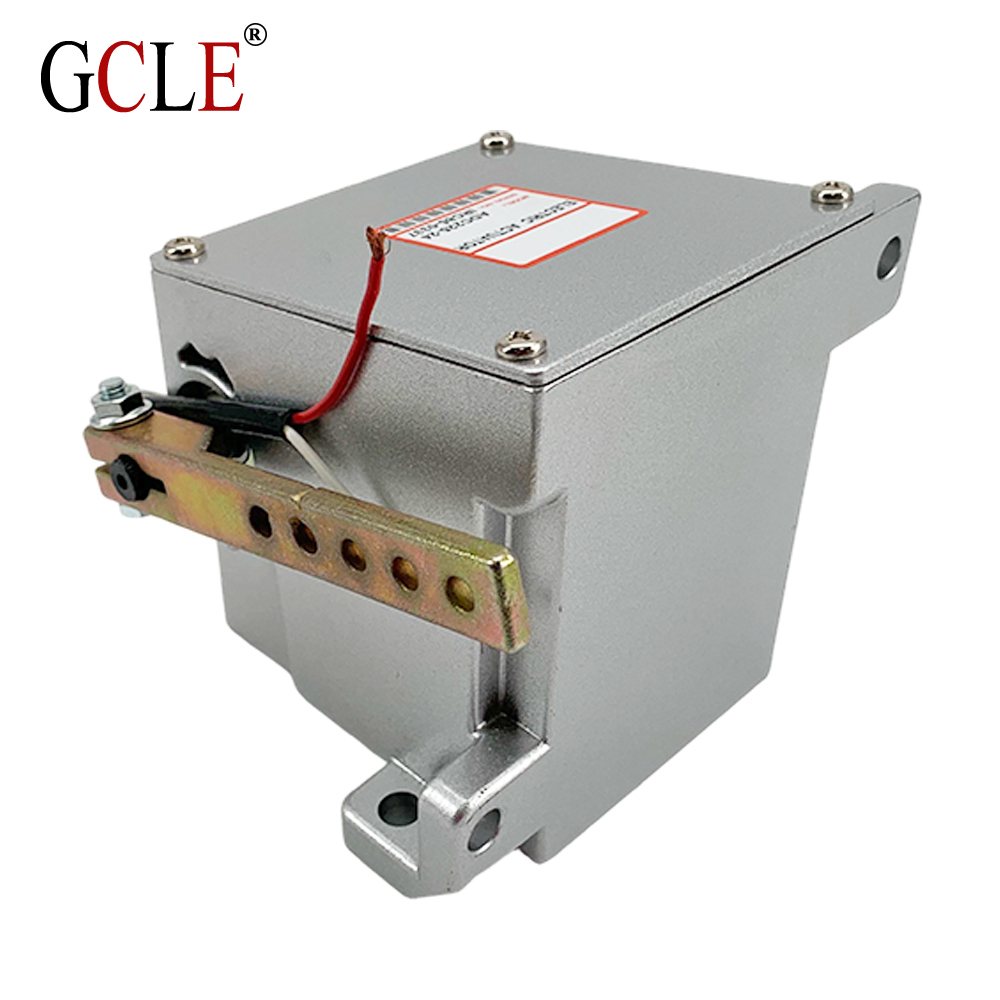
Engine solenoid problems are frequently wiring problems wearing a solenoid costume. An engine solenoid coil needs its rated voltage at the connector, and long cable runs, corroded terminals, and undersized conductors all steal voltage before it arrives. The symptoms look like a failed component: a click without engagement, slow plunger movement, or intermittent operation that worsens as the engine bay heats up. Measuring voltage at the engine solenoid coil under load, rather than at the battery, separates the two causes. In 12V systems this check matters more than in 24V systems, because the same absolute drop represents twice the percentage of the supply.
Engine solenoid coils burn out when they hold energized too long, when duty cycles are exceeded, or when poor connections force the coil to work at higher current to produce the same magnetic force. Corrosion attacks the engine solenoid plunger and housing, particularly on machines exposed to washdown, salt, or condensation, and a corroded engine solenoid plunger binds in the bore until the solenoid stops moving entirely. Connector corrosion produces intermittent faults that are difficult to reproduce during diagnosis. These failure modes are preventable with connection integrity checks, connector protection, and inspection intervals matched to the operating environment.
Technical Principles & Standard Compliance
Pull-In, Hold-In, and Duty Cycle
A starter engine solenoid uses two windings to solve a mechanical problem. The pull-in winding draws high current to generate the force that moves the plunger and engages the starter drive, then the hold-in winding takes over to keep the solenoid engaged at lower current. This two-stage design is why a starter engine solenoid clicks but does not engage when the pull-in circuit is compromised, and why a solenoid that engages but drops out under load points to the hold-in path. A fuel shutoff engine solenoid works differently: it holds a fuel valve or rack in position continuously while the engine runs, so its duty cycle is continuous rather than momentary, and its coils are designed accordingly.
Energize-to-Run Versus Energize-to-Stop
The safety logic of a fuel shutoff engine solenoid depends on which convention the engine uses. Energize-to-run solenoids hold the fuel supply open while power is applied, so loss of power stops the engine. Energize-to-stop solenoids block fuel flow while power is applied, so loss of power allows the engine to run. Both conventions appear across the industry, and the engine solenoid distinction is critical during wiring work and troubleshooting, because treating one as the other produces engines that cannot be shut down or that shut down the moment a connection loosens. System documentation for each genset should state the engine solenoid convention, and technicians should verify it before working on the circuit.
Actionable Buyer & Maintenance Guide
Selecting the Right Engine Solenoid
Selection begins with the electrical architecture: 12V or 24V, matching the system, not the convenience of the spares shelf. Current rating and connector style must match the application, whether starter duty or continuous fuel control. Environmental protection matters where machines see washdown, dust, or salt, so ingress protection ratings and connector sealing belong in the engine solenoid specification. Documentation matters too: coil resistance, duty cycle, and mounting dimensions allow verification on receipt and diagnosis in service. Established engine and genset manufacturers such as Ningde-based Gcle Generator specify these parameters for their standard engine solenoid configurations, which keeps replacement decisions straightforward.
Diagnostics and Maintenance
Engine solenoid diagnosis follows a short sequence. First, confirm supply voltage at the coil connector under the condition that fails, since voltage drop implicates wiring rather than the solenoid. Second, measure engine solenoid coil resistance against the specified range, since an open or shorted coil is definitive. Third, check plunger movement for binding or corrosion. Maintenance activities are equally simple: keep connections clean and torqued, protect connectors from moisture and washdown, and verify mounting security, since vibration loosens terminals and fatigues wiring. Recording replacements against machine hours builds a wear history that turns a recurring annoyance into a predictable maintenance item.
Frequently Asked Questions
Question 1: Why do some engines use 12V and others 24V solenoids?
Answer: The choice follows engine size and cranking demand. Compact engines, including most small gensets, use 12V systems where cable runs are short and current demands are modest. Larger industrial engines use 24V systems because the higher voltage delivers cranking power with lower current, reducing cable size and voltage drop. The engine solenoid must match the system voltage, and mixing voltages between systems is not possible.
Question 2: What does a clicking engine solenoid with no engagement mean?
Answer: On a starter engine solenoid, a click without engagement usually indicates the pull-in winding or its circuit is compromised, often from poor connections or voltage drop, so the coil energizes but cannot generate enough force to move the plunger. Measuring voltage at the coil under load and checking coil resistance against the specified range separates wiring faults from component faults. On fuel shutoff engine solenoids, clicking without movement usually indicates a binding plunger or a supply problem.
Question 3: How long should an engine solenoid last?
Answer: A correctly specified engine solenoid in a clean, dry installation with sound wiring typically lasts for the service life of the engine. Shortened life usually traces to identifiable causes: voltage drop from poor connections, exceeded duty cycles, corrosion from washdown or humidity, or vibration-loosened terminals. Recording replacements against machine hours exposes these patterns and turns engine solenoid replacement from a surprise failure into a planned maintenance item.
Question 4: What is the difference between a starter solenoid and a fuel shutoff solenoid?
Answer: A starter engine solenoid is a momentary-duty device with pull-in and hold-in windings that engage the starter motor only during cranking. A fuel shutoff engine solenoid is a continuous-duty device that holds a fuel valve or rack in position while the engine runs. Their coils, duty cycles, and failure modes differ, so they are not interchangeable, and their wiring conventions, energize-to-run versus energize-to-stop, must be verified before any circuit work.

