
 EN


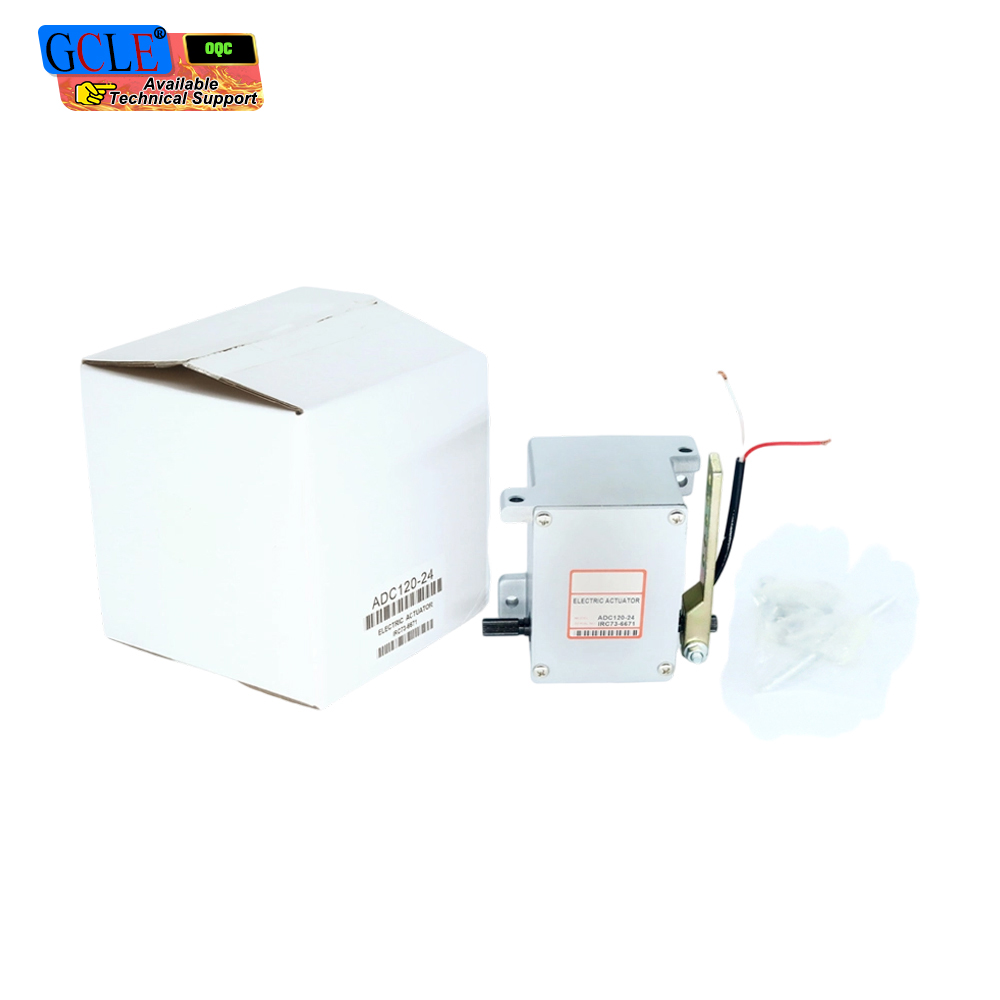
A controlled shutdown protects the engine, the load, and everyone standing near the machine. The engine solenoid sits at the heart of that control: a fuel shutoff engine solenoid moves the fuel control element, closing the fuel supply so combustion stops in an orderly sequence rather than by damage or operator intervention at a running engine. Safe shutdown depends on more than the component, however. The wiring convention, the fail-safe logic, the overspeed protection layered behind the engine solenoid, and the testing that proves the whole path works all determine whether the engine stops when commanded. Each element addresses a failure the industry has already experienced.
Real-World Industry Case / Scenario
An Overspeed Event Contained by the Solenoid
An industrial site experienced a governor malfunction on a running genset. Load had just dropped when a large motor tripped offline, and the engine began to accelerate beyond its rated speed. The genset control system detected the overspeed condition and de-energized the fuel shutoff engine solenoid, which closed the fuel rack and stopped the engine within seconds. The post-event inspection found the governor linkage had seized, but the engine solenoid shutdown path had worked exactly as designed: detect, de-energize, stop. The site replaced the governor assembly, verified engine solenoid operation under test, and returned the genset to service. No equipment damage and no injury resulted, because the layered protection caught what the primary control could not.
A second site experienced the opposite outcome. During a monthly operational test, the operator issued a stop command and the engine continued running. Investigation found the fuel shutoff engine solenoid corroded in place after repeated pressure washing, so de-energizing the coil no longer moved the plunger. The engine was eventually stopped by closing a manual fuel valve, which required approaching a running machine. The event revealed two lessons: the engine solenoid is a wear item in wet or washdown environments, and a monthly test that only confirms start and run capability misses shutdown path degradation. The site added explicit stop verification to its test procedure and replaced the solenoid with a sealed-connector variant.
Risk & Failure Mode Analysis
Runaway Risk and Delayed Shutdown
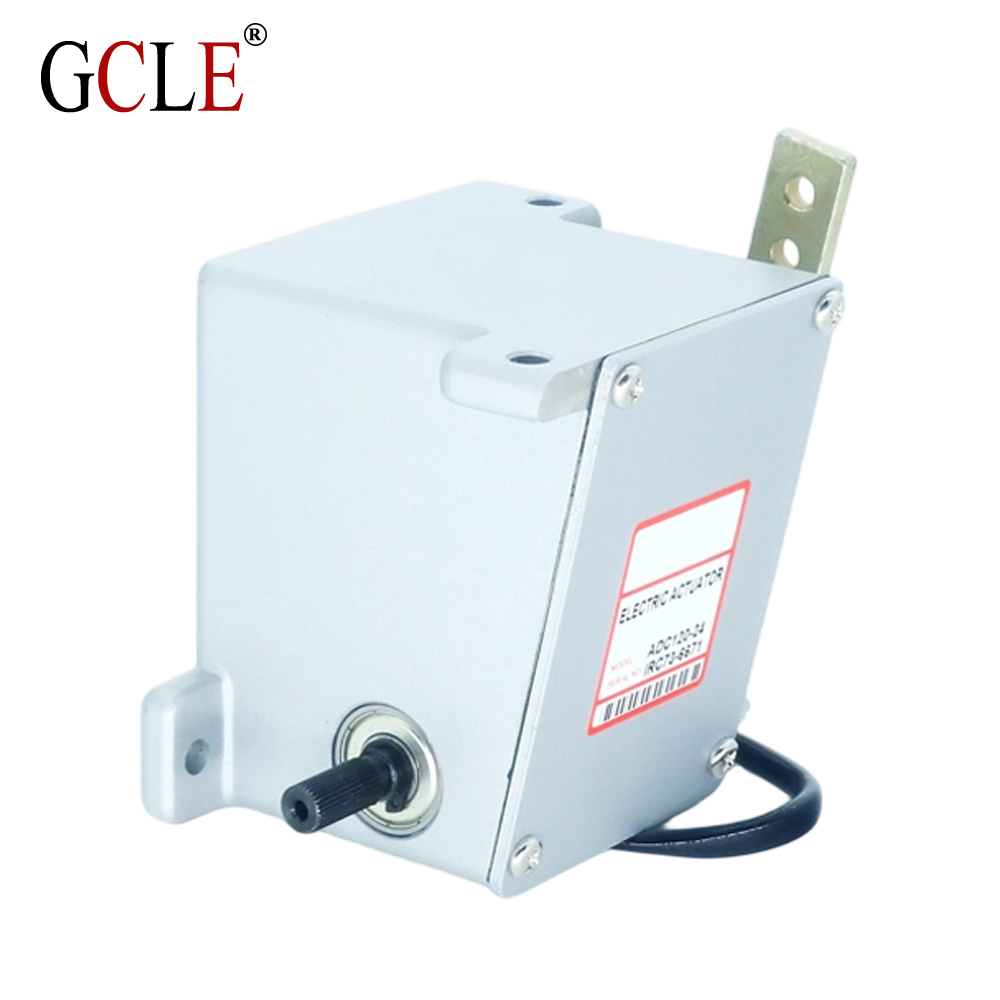
An engine that cannot be shut down on command is a runaway risk, and an engine solenoid that cannot close the fuel path is the most common cause. Fuel continues to feed combustion, speed climbs, and mechanical failure or fuel ignition becomes a matter of time. Delayed shutdown is the early stage: a binding plunger or weak circuit slows the stop sequence, during which the engine operates beyond controlled conditions. The window between a stop command and fuel cutoff should be seconds, and any extension is a defect to correct before the machine returns to service. Sites that treat engine solenoid stop performance as a tested parameter catch these conditions during routine operational tests.
The shutdown path includes more than the engine solenoid. Wiring faults, including corroded connectors, chafed insulation, and loose terminals, produce intermittent stop failures that appear random. Mechanical faults bind the fuel control element itself: a stiff rack, sticky linkage, or contaminated fuel can prevent the engine solenoid from completing its travel even when the electrical side is healthy. Grounding faults and poor connections reduce coil current, which reduces magnetic force, which is most visible as an engine solenoid that moves under bench test but not in service. Systematic diagnosis checks voltage at the coil under command, coil resistance against specification, and free movement of the fuel control element.
Technical Principles & Standard Compliance
Energize-to-Stop and Fail-Safe Logic
Engine solenoids for fuel shutoff operate in two conventions, and the safety logic differs between them. In energize-to-stop designs, power holds the fuel valve closed against spring pressure, so removing power allows fuel flow and the engine stops. In energize-to-run designs, power holds the valve open, so removing power closes it and the engine stops. Both are fail-safe with respect to power loss, but they fail in opposite directions with respect to wiring faults, which is why the convention must be documented for each machine. Technicians working on the circuit need to know which convention applies before disconnecting anything, because the wrong assumption produces an engine that cannot be stopped or one that stops when a connection loosens.
Overspeed Protection and Redundant Shutdown Paths
Overspeed protection exists because load rejection can outrun the governor. Genset control systems monitor speed and issue a stop command when the engine exceeds its rated threshold, and independent overspeed devices provide a second layer that does not depend on the control system. Emergency and standby systems are also expected to support remote or automatic shutdown where the installation classification requires it, consistent with NFPA 110 expectations for emergency power supply systems. On engines where fuel cutoff alone may not be sufficient, air intake shutoff devices provide a secondary path by blocking combustion air. The engine solenoid is the primary actuator in this layered scheme, and each layer is tested on its own schedule.
Actionable Buyer & Maintenance Guide
Specifying a Safe Shutdown Circuit
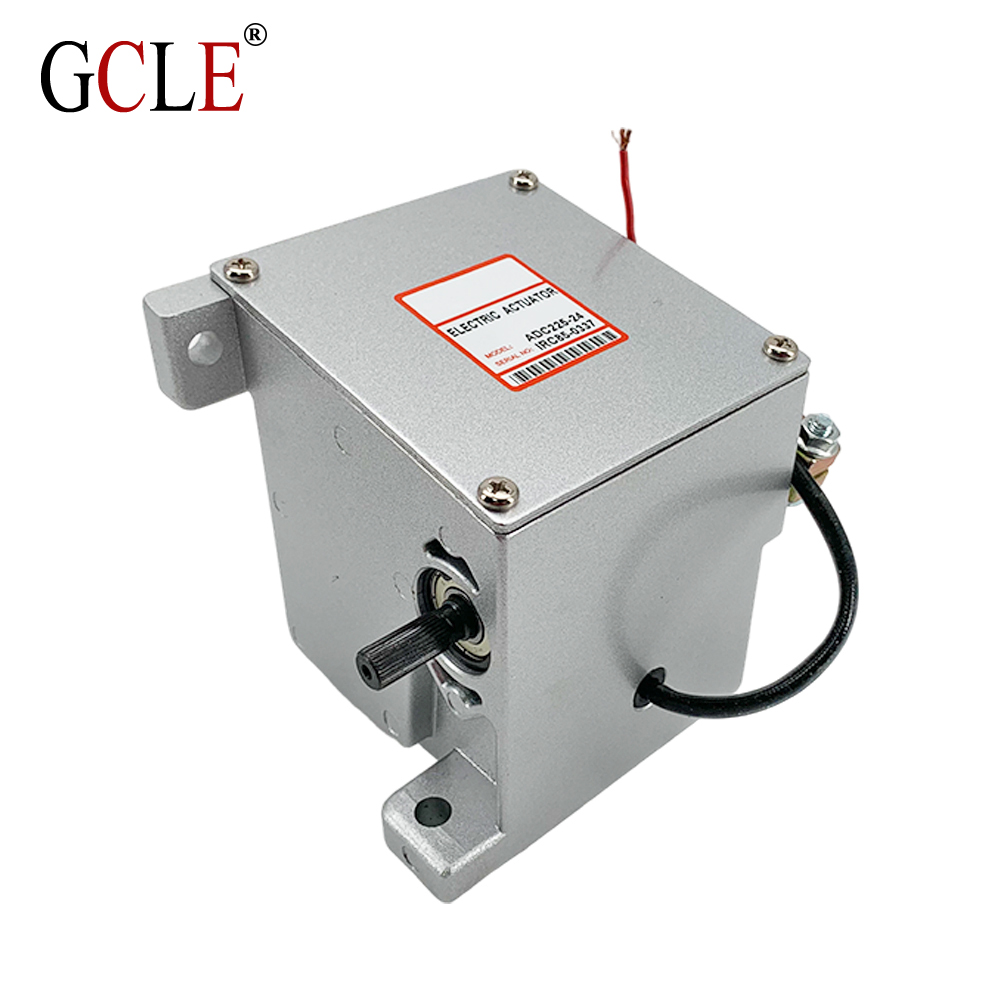
A shutdown specification should state the operating convention, the required coil voltage, the expected time from stop command to fuel cutoff, the connector and ingress protection appropriate to the environment, and the fail-safe direction. Documentation should identify the part number, coil resistance, and the overspeed protection settings that trigger shutdown. Where machines operate in washdown, humid, or salt-exposed environments, sealed connectors and corrosion-resistant plunger materials belong in the specification rather than a later upgrade. Genset manufacturers such as Ningde-based Gcle Generator document these parameters for their standard configurations, which allows procurement teams to specify replacement components that preserve the original safety logic.
Testing and Maintaining the Shutdown Path
Monthly operational tests should verify the complete engine solenoid shutdown path, not just start and run capability. The test issues a stop command and confirms that fuel cutoff occurs within the expected time, with any extension investigated before the machine returns to standby. Maintenance focuses on the known failure modes: connection integrity, connector moisture protection, plunger movement, and coil resistance measured against specification. Recording stop performance alongside start performance builds the evidence that the engine solenoid shutdown path remains reliable, and trending that data exposes corrosion environments before failure.
Frequently Asked Questions
Question 1: How does a fuel shutoff engine solenoid stop an engine?
Answer: The engine solenoid moves a fuel control element, either a valve or the fuel rack, to cut the fuel supply so combustion stops in a controlled sequence. In energize-to-stop designs, power holds the valve closed and removing power stops the engine; in energize-to-run designs, power holds the valve open and removing power closes it. Both conventions are fail-safe on power loss, and the correct convention must be documented for each machine before any circuit work.
Question 2: What is the difference between shutdown and overspeed protection?
Answer: Shutdown is the commanded stop, initiated by an operator or control system, and it acts through the fuel shutoff engine solenoid. Overspeed protection is an automatic layer that triggers when engine speed exceeds its rated threshold, often after load rejection outruns the governor. Independent overspeed devices provide a second layer that does not depend on the genset control system, and air intake shutoff devices provide a further path on engines where fuel cutoff alone may not suffice.
Question 3: Why did an engine fail to stop when commanded?
Answer: Common causes include a corroded or binding plunger in the engine solenoid, corroded or loose wiring connections that reduce coil current, and mechanical binding in the fuel rack or actuator linkage. Wiring faults often produce intermittent behavior that appears random, so diagnosis should measure voltage at the coil under command and check coil resistance against specification. Any extension of the time between stop command and fuel cutoff is a defect to correct before the machine returns to standby.
Question 4: How often should the shutdown path be tested?
Answer: Monthly operational testing should include an explicit stop command with verification that fuel cutoff occurs within the expected time. This is more complete than a test that confirms only start and run capability, which can miss shutdown path degradation. Connection integrity, plunger movement, and coil resistance should be checked on a schedule matched to the environment, with more frequent inspection for machines exposed to washdown, humidity, or salt.

