
 EN


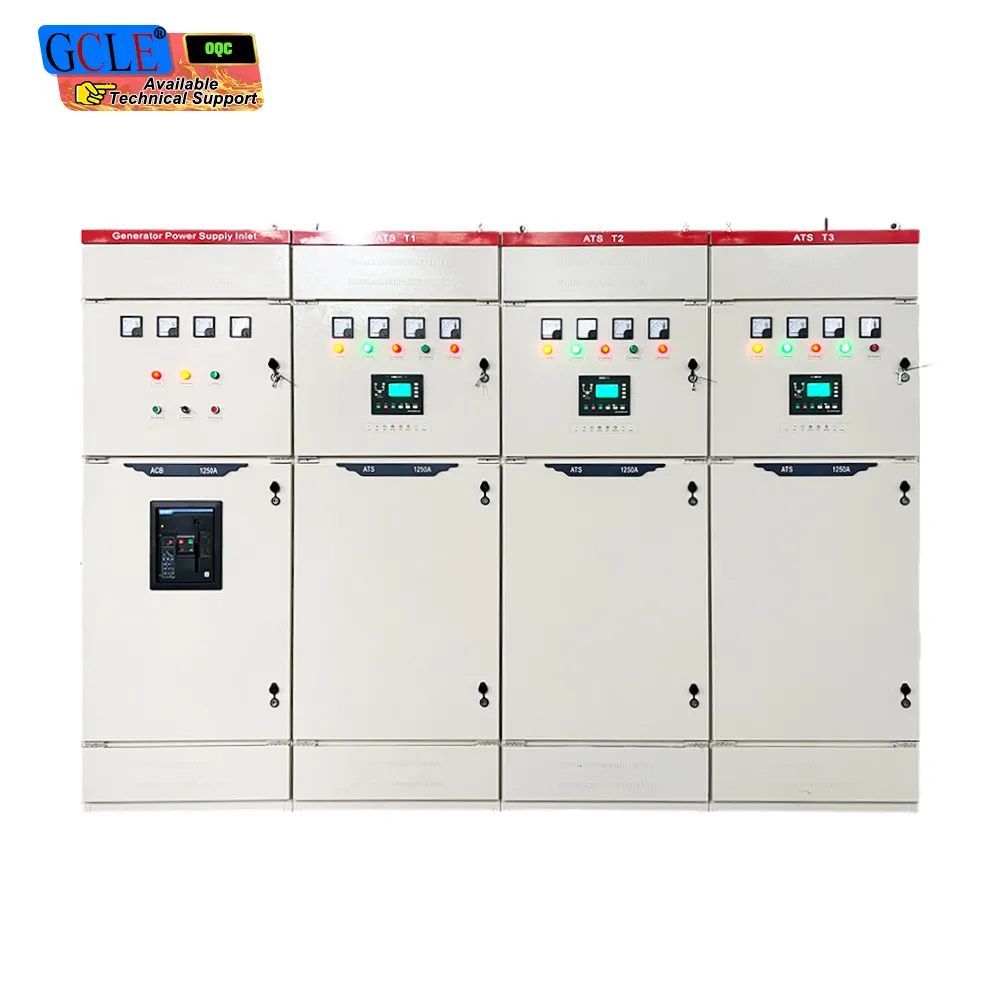
Can an ATS Switch Ensure Uninterrupted Power Supply?
A Transfer Switch Upgrade After a Costly Outage
A community clinic in Ohio lost grid power during a storm and stayed dark for nine minutes because staff had to start the generator and move breakers by hand. After that incident the facility installed an ats switch rated for the full emergency bus. The ats switch now senses a drop in utility voltage, starts the genset, and moves the load without anyone in the building. That ats switch removed the human delay that caused the original outage and turned a scary night into a quiet one.
What the site log revealed
What the site log revealed after commissioning was a transfer time of roughly six seconds from loss of utility to established generator supply. The ats switch logged each event with a time stamp, which gave the facility manager proof of performance during the next inspection. An ats switch that records events also makes it easier to spot a weakening battery or a sticky actuator before a real emergency. The log further showed that the ats switch held the load steady through a brief utility sag the following month without anyone on site noticing the blink.
How the new unit behaved under test
How the new unit behaved under test matched the published curve. A properly set ats switch waits a short delay after voltage recovers, then returns the load to the utility once it is stable. The ats switch avoided short cycling by holding a fixed re-transfer timer rather than reacting to every flicker on the line. During a planned exercise the ats switch moved the load both ways three times in a row, which gave the staff confidence before the next storm season arrived.
A nearby fire station adopted the same setup and found that the ats switch removed the guesswork during a winter outage when roads were closed. Crews confirmed the transfer from the dispatch screen instead of driving in. That calm is why the ats switch now appears on smaller critical sites that once ran on manual transfer alone.
The Cost of Staying Manual
Critical loads that cannot wait
Critical loads that cannot wait include refrigeration for vaccines, network equipment, and sump pumps in low-lying buildings. Without an ats switch, each of those loads depends on someone noticing the outage and acting fast. A manual transfer leaves a window where temperature, data, or water levels move in the wrong direction. For a clinic that window can mean spoiled stock or a failed pump, while a small office risks lost files and an unhappy tenant. An ats switch closes that window automatically.
Danger during live transfer
Danger during live transfer is the second cost. Moving breakers while a generator runs exposes the person to arc flash and to back-feed that can energize a supposedly dead line. An ats switch keeps that work inside an enclosed, listed enclosure and removes the live handling from the routine. The ats switch also blocks utility and generator sources from closing together, which protects both supplies. Training alone never removes that hazard the way a listed ats switch does, because people still make mistakes under pressure.
How an ATS Switch Holds the Line
Sensing voltage and timing the move
Sensing voltage and timing the move is the core job. The ats switch measures utility and source voltage through dedicated sensors and compares them to set points. When the utility falls below a threshold for a preset time, the ats switch signals the engine to start and, after it reaches speed, opens the utility contact and closes the generator contact. The ats switch repeats the reverse sequence when the utility returns and holds steady. Adjustable timers let the ats switch ride through harmless blinks without an unnecessary start.
Open versus closed transition
Open versus closed transition is the main design choice. An open-transition ats switch breaks the utility before making the generator, so the load sees a momentary gap; this is simpler and cheaper. A closed-transition ats switch overlaps the two sources for a brief moment to keep loads alive, which suits sensitive electronics but demands careful synchronizing. The right ats switch depends on what the connected equipment can tolerate. A data room usually prefers closed transition, while a basic pump panel is fine with open.
Standards and Care for Reliable Transfer
NFPA 110 and the ten-second rule
NFPA 110 and the 10-second rule set the bar for emergency systems. The standard requires a listed emergency power supply system to provide power within ten seconds of a utility failure for Level 1 loads. An ats switch used in that role must carry the proper listing and must meet the transfer time the standard demands. NFPA 70 (NEC) Article 700 governs wiring and signage for emergency systems as well. Inspectors check the ats switch listing and the signage together during any review, so both must be correct.
Sizing, install and testing
Sizing, installation and testing close the loop. The ats switch must match the continuous ampacity of the load and the source, not just the generator nameplate. A qualified electrician should verify torque, bonding, and the sensed-phase selection at install. After that, a monthly no-load exercise and a yearly loaded test keep the ats switch ready; any unit that fails to transfer on exercise should be serviced before it is needed. Suppliers such as GCLE list the ampacity and listing for each ats switch so the spec matches the panel.
Keeping a short record of each exercise makes the next inspection smooth and proves the ats switch has been tested on schedule. A simple log with date, result, and any note satisfies most authorities. When the ats switch sits inside a larger emergency plan, that paper trail also supports the site's compliance record without extra work.
Frequently Asked Questions
Question: Does an ats switch work without a generator?
Answer: An ats switch needs a second source to move the load to, which is usually a generator or a second utility feed. Without a backup source the ats switch can only open the utility side and leave the load de-energized. The ats switch manages the transfer; it does not create power on its own.
Question: How fast does an ats switch transfer power?
Answer: A typical ats switch completes transfer in five to ten seconds once the generator reaches speed. NFPA 110 limits the move to ten seconds for Level 1 emergency loads. The exact time depends on engine start, ats switch setting, and whether the design uses open or closed transition.
Question: Can one ats switch serve a whole building?
Answer: A single ats switch can feed the full emergency bus if it is sized for the total load, but many sites use several smaller units for critical panels. Splitting loads lets an ats switch protect only what matters and keeps cost down. The ats switch rating must still exceed each served panel's demand.
Question: What maintenance does an ats switch need?
Answer: An ats switch needs a monthly no-load exercise and a yearly test under load, plus inspection of contacts and the actuator. Loose terminations and a weak control battery are the common failure points. Any ats switch that misses a transfer on exercise should be repaired before a real outage occurs.
Question: Is a manual transfer switch ever acceptable?
Answer: A manual transfer switch fits sites where loads can tolerate a short delay and trained staff are always present. It costs less and is simple, but it leaves the transfer to people. An ats switch is the safer choice for clinics, datacenters, and any load that cannot wait minutes for power.
Question: What listing should an ats switch carry?
Answer: In North America an ats switch should be listed to UL 1008, while IEC 60947-6-1 applies in many other regions. The listing confirms the ats switch can break rated current and survive fault duty. Matching the listing to the local code prevents rejected inspections and unsafe installations.

