
 EN


One Controller Failure That Shut a Plant
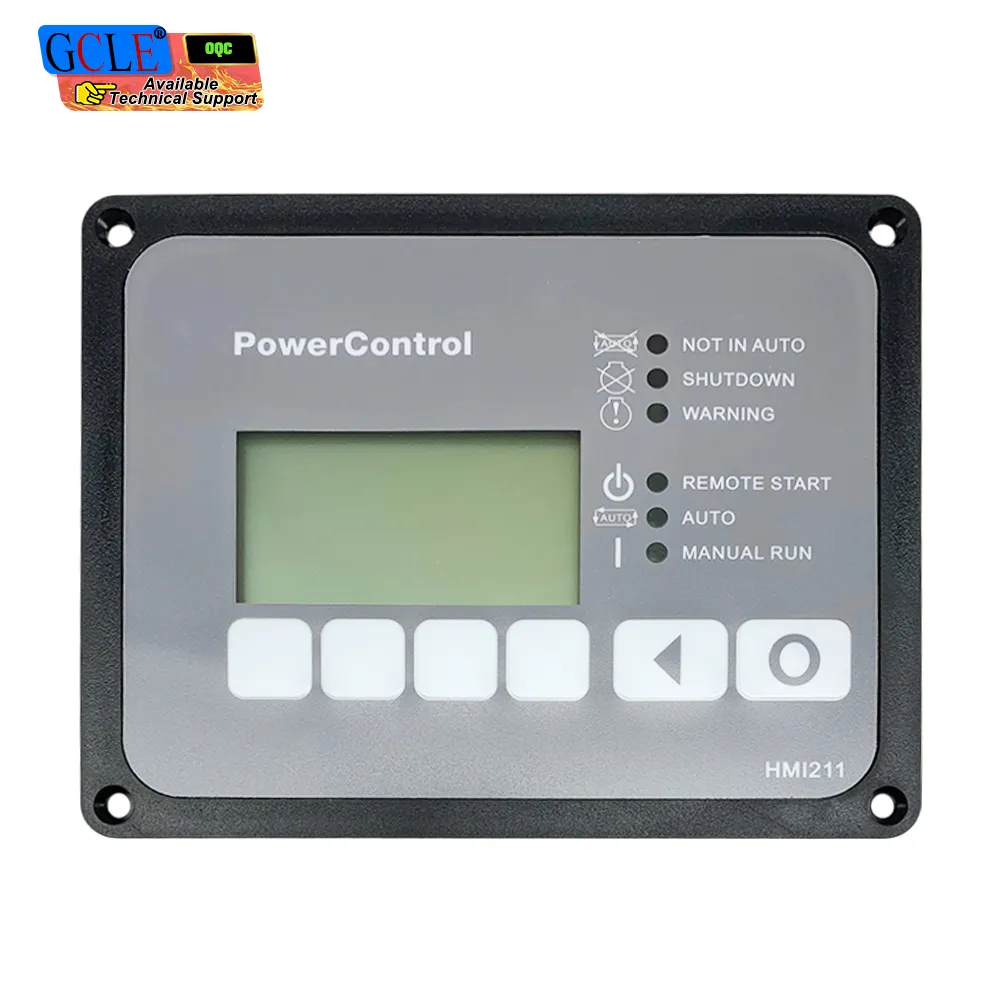
A packaging plant lost a producing line for most of a shift when the genset refused to start on a utility trip. The generator controller had logged a vague fault code that nobody on site could read, and the set sat idle while the utility was down. After the stop, the team replaced the generator controller with a unit that exposed plain-text alarms and a local display. The new generator controller restarted the set on the next test without a hitch and restored confidence in the backup plan.
Symptoms before the stop
Symptoms before the stop were easy to miss. The generator controller had dropped a couple of sensor readings during the weeks prior, then recovered, so the issue looked intermittent. A trend log would have shown the drift, but the old generator controller stored little history. The failure showed why a generator controller needs both alerting and memory, not just start-stop logic. Catching the pattern early would have meant a ten-minute swap instead of a lost shift.
What the replacement revealed
What the replacement revealed was a degraded comms harness, not a bad engine. The generator controller flagged the lost link clearly, which pointed maintenance to the wiring instead of the power end. A capable generator controller turns a mystery outage into a traced fault with a part number. The plant now keeps a spare generator controller on the shelf and reviews the log every month as part of the site walk.
Before the swap, the plant had weighed a full set replacement, which would have cost far more and added weeks of lead time. The generator controller change took a single morning and restored the same capacity. That outcome changed how the site budgets backups: a spare generator controller now sits beside the set rather than in a distant warehouse, and the maintenance lead keeps the model and sensor list on a laminated card. The generator controller that once caused a lost shift is now the reason outages barely register.
Risks of a Weak Control Platform
Silent faults and nuisance trips
Silent faults and nuisance trips are the first risk. A bare generator controller that only watches oil pressure and speed can miss a cooling fault or a weak battery, then trip at the worst moment. Poor filtering also lets electrical noise cause a generator controller to shut down on a phantom alarm, stopping a healthy set. Adding the right protective channels to the generator controller is far cheaper than the load it protects.
No remote visibility
No remote visibility is the second risk. Without modem or network access, the generator controller keeps its status inside the enclosure, so a fleet across sites reports nothing until someone visits. A generator controller with a standard port lets a manager see runtime, alarms, and exercise results from a desk, which shortens response time after an event. For a multi-site operator, that view often pays for itself on the first storm.
How a Generator Controller Manages the Set
Sensing, governing and protection
Sensing, governing and protection sit at the core. The generator controller reads voltage, current, frequency, and temperature, then drives the fuel device to hold speed and voltage. When a limit is crossed, the generator controller trips the breaker and stops the engine in a safe order. That sequence is what keeps a fault from becoming a fire. A well-tuned generator controller also rides through brief overloads instead of dropping the load.
Parallel and remote options
Parallel and remote options extend the role. A generator controller built for paralleling shares load with the utility or with a second set using a synch check and load share bus. The same generator controller can accept a start command from building management or a remote site. Choosing these features up front avoids a costly swap later when the plant grows. Confirming the generator controller supports the chosen mode before purchase saves a painful retrofit.
Standards and Selection for the Controller
Performance standards that apply
ISO 8528 defines how a reciprocating engine generating set should perform, and it shapes what the generator controller must report and protect. IEC 60034 covers rotating electrical machines that the generator controller monitors. UL 2200 lists engine-generator assemblies, and NFPA 110 sets the ten-second start rule that the generator controller must support for emergency duty. Matching the generator controller to these standards eases commissioning and inspection alike.
Sizing, install and maintenance
Sizing, install and maintenance close the job. The generator controller must match the sensor types and the actuator voltage of the specific engine, or it will never govern correctly. A technician should verify harness routing away from noise sources and set the alarm thresholds to the nameplate. After commissioning, a monthly exercise with a log review keeps the generator controller honest; suppliers such as GCL E list controller models by engine family so the match is clear at order time.
Documenting the alarm set points in the site folder means the next technician does not start from zero during a fault. A one-page sheet with the generator controller model, sensor types, and thresholds saves precious minutes on a midnight call. Paired with the monthly log, that sheet turns the generator controller from a black box into a managed asset the whole team understands. The plant now trains new hires on the generator controller screen before they ever touch the breaker.
Frequently Asked Questions
Question: Can a generator controller start the engine automatically?
Answer: Yes. A generator controller drives the starter and fuel solenoid once it sees a start signal or a utility loss, then monitors for safe running. The generator controller also stops the set in a defined order on fault. Automatic start is the basic job of any modern generator controller.
Question: What sensors does a generator controller need?
Answer: A generator controller normally reads three-phase voltage, current, frequency, oil pressure, coolant temperature, and battery voltage. Some add exhaust temperature or fuel level. The generator controller uses these to govern and to trip before damage, so correct sensor mating matters.
Question: Is a remote monitor worth the cost?
Answer: For any site with more than one set or without staff on shift, a generator controller with remote access pays back fast. It shows alarms and exercise logs without a site visit and shortens repair time. A basic generator controller without comms hides problems until they bite.
Question: How often should the controller be tested?
Answer: A monthly no-load exercise plus a yearly loaded run is the common plan, with the generator controller log reviewed each time. Any alarm that repeats should be traced before it becomes a failure. The generator controller itself needs no separate service beyond firmware and connection checks.
Question: Can one controller run two generators?
Answer: A single generator controller usually manages one set; paralleling needs a controller per engine plus a load-share link. Some master generator controller units coordinate a small paralleled bank through a common bus. Matching the generator controller to the parallel scheme avoids unstable sharing.
Question: What standard applies to the controller?
Answer: The generator controller supports ISO 8528 performance and UL 2200 listed assemblies, with NFPA 110 timing for emergency use. IEC 60034 guides the machine side it watches. Picking a generator controller aligned to these standards eases inspection and commissioning.

