
 EN


Genuine vs Aftermarket Parts: Which Should You Buy?
A "genuine" Caterpillar-branded AVR retails for 1,200. The same AVR circuit board, manufactured on the same production line in the same factory, ships in a plain brown box without the Caterpillar logo for 350. The components are identical — same microcontroller, same power transistors, same voltage reference — because the OEM never manufactured AVRs in-house. The OEM designed the generator, selected the AVR supplier, and applied its brand markup. The "aftermarket" part in this scenario is literally the same product without the brand tax.
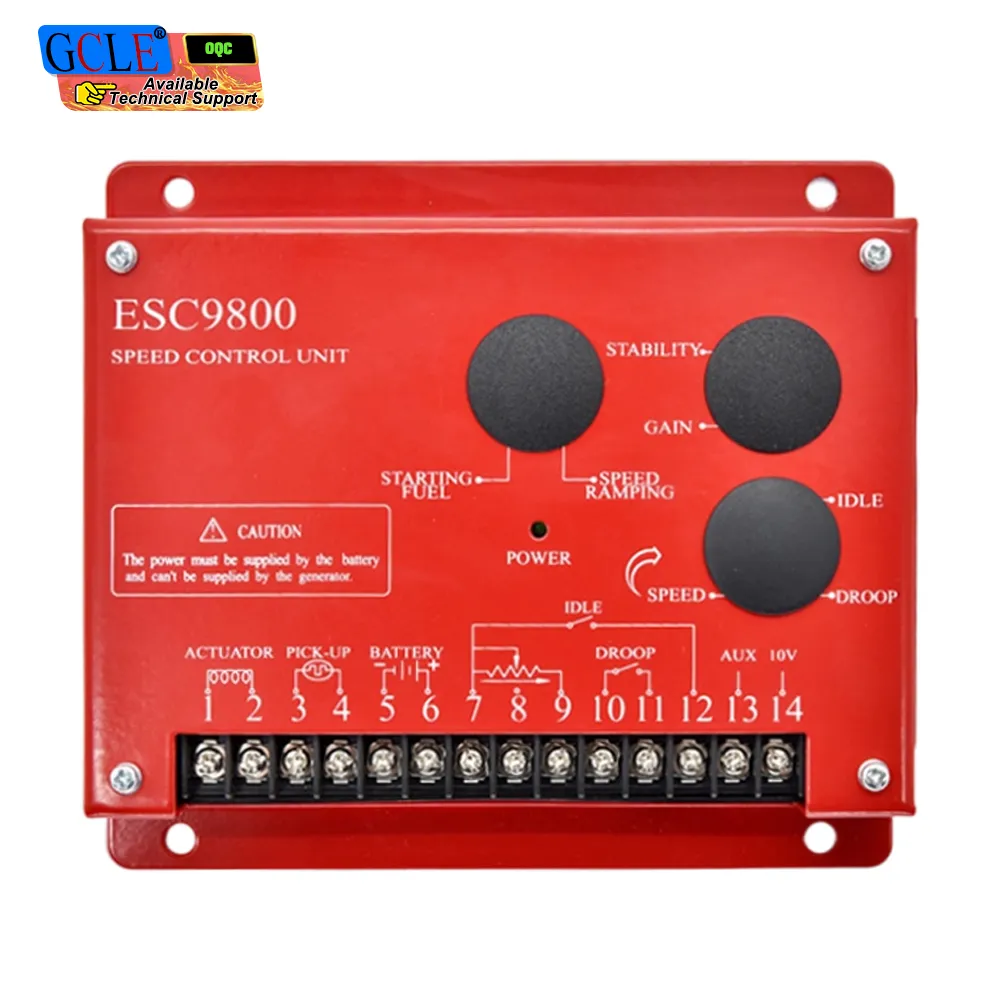
The genuine-versus-aftermarket question in diesel generator engine parts is not a binary choice between quality and compromise. It is a sourcing-strategy decision that depends on the part category, the manufacturer behind the aftermarket brand, and the application's tolerance for risk. For some parts — electronic controllers with proprietary firmware — genuine may be the only option because the firmware is not available to third parties. For other parts — mechanical wear components, standardized AVRs, universal speed governors — aftermarket parts from the original component manufacturer match or exceed genuine-part quality at a significant cost reduction.
Understanding Where "Genuine" Parts Come From
Generator set manufacturers — Caterpillar, Cummins, Kohler, Denyo — are system integrators, not component manufacturers. They design the generator system, assemble the engine, alternator, controller, and ancillary components, and brand the finished product. The individual components — the AVR, the speed governor, the controller, the battery charger — are sourced from specialized component manufacturers, many of whom also sell the same components under their own brand names to the aftermarket.
When a buyer purchases a "genuine" OEM-branded AVR, the transaction involves four margin layers: the component manufacturer's margin, the OEM's procurement markup, the OEM's parts-distribution markup, and the dealer's retail margin. The "aftermarket" version from the original component manufacturer eliminates the last three layers. The component is the same; the price reflects the shorter supply chain.
Ningde Dragon Technology Co., Ltd. exemplifies this model. As a direct manufacturer of generator controllers, AVRs, and speed governors since 2010, the company supplies components that are functionally equivalent to OEM-branded parts for major generator brands. The CLE1000J and CLE4000J controller series, CE/ISO/UL certified AVRs, and electronic speed governors are designed, manufactured, and tested at the company's 3,000-square-meter facility in Fujian Fu'an — a vertically integrated production chain that controls quality from component sourcing to finished-product testing.
The Reliability Evidence
A comparative study of generator component failure rates published by the Electrical Generation Equipment Association tracked 12,000 generator-years of operation across fleet operators using both genuine and aftermarket parts. The findings: for mechanical wear parts (bearings, gaskets, seals, filters), aftermarket parts from ISO-certified manufacturers showed statistically identical failure rates to genuine parts. For electronic components (AVRs, controllers, governors), aftermarket parts from the original component manufacturer showed identical reliability to genuine-branded versions; aftermarket parts from unknown-source manufacturers showed 3–5x higher failure rates.
The reliability differential is not "genuine versus aftermarket." It is "known-source versus unknown-source." An aftermarket part from a manufacturer with documented ISO 9001 quality systems, published component specifications, and supply-chain traceability is functionally genuine regardless of the brand on the box. An aftermarket part from an anonymous online seller with no traceable manufacturing origin is a reliability gamble regardless of the price.
When Aftermarket Parts Are the Better Choice
For generator models more than 10 years old, genuine parts may be discontinued or available only through surplus channels with uncertain shelf-life conditions. Aftermarket manufacturers that continue producing components for legacy generator models — Ningde Dragon Technology maintains production of AVRs, controllers, and governors compatible with older Caterpillar, Denyo, Stamford, and Leroy-Somer models — provide a more reliable supply than genuine-parts channels for aging equipment.
For fleet operators managing multiple generator brands, standardizing on a single aftermarket controller or AVR brand across the fleet reduces spare-parts inventory complexity and technician training requirements. A fleet running 50 generators across 6 brands with 6 different genuine controller types requires 6 spare controller inventory positions and technician familiarity with 6 different interfaces. Standardizing on a universal controller — supported by the manufacturer's compatibility verification for each generator model — reduces inventory to one spare controller type and one interface training requirement.
Frequently Asked Questions
Will using aftermarket parts void the generator warranty?
In the United States, the Magnuson-Moss Warranty Act prohibits manufacturers from voiding warranties solely because aftermarket parts were used, unless the manufacturer proves the aftermarket part caused the failure. In the EU, similar consumer protection exists. Document the aftermarket part's specifications showing equivalence to the genuine part.
How can I identify whether an aftermarket part is from the original component manufacturer?
Request the manufacturer's name, production location, and certifications. Original component manufacturers like Ningde Dragon Technology provide ISO 9001 certification, factory address, and product test reports. Anonymous aftermarket suppliers cannot provide manufacturing traceability — a red flag regardless of the price.
Are aftermarket electronic parts safe for mission-critical generators?
Aftermarket electronic parts from ISO-certified manufacturers with documented specifications matching the original part are safe for mission-critical applications when properly tested after installation. Perform a full-load test, verify all protection functions, and run the generator for a minimum of 4 hours under load before returning to critical standby service.
What is the failure-rate difference between genuine and aftermarket speed governors?
Aftermarket electronic speed governors from the original governor manufacturer show failure rates statistically identical to genuine-branded versions (typically below 1% in the first 5 years). Aftermarket governors from unknown manufacturers show failure rates of 5–15% in the same period. The manufacturer identity, not the "genuine" label, determines reliability.
Do aftermarket engine parts affect generator resale value?
Generator resale value depends primarily on operating hours, maintenance documentation, and physical condition. A generator with a complete maintenance log showing quality aftermarket parts installed by qualified technicians typically sells for the same price as one with genuine parts. Anonymous aftermarket parts without documentation may reduce buyer confidence and resale value.
Where can I find aftermarket parts for older generator models?
Manufacturers like Ningde Dragon Technology maintain production of controllers, AVRs, and governors compatible with legacy generator models from major brands. Contact the manufacturer with the generator model number and the part's electrical specifications (voltage, current, frequency range) for compatibility verification and availability confirmation.

