
 EN
EN



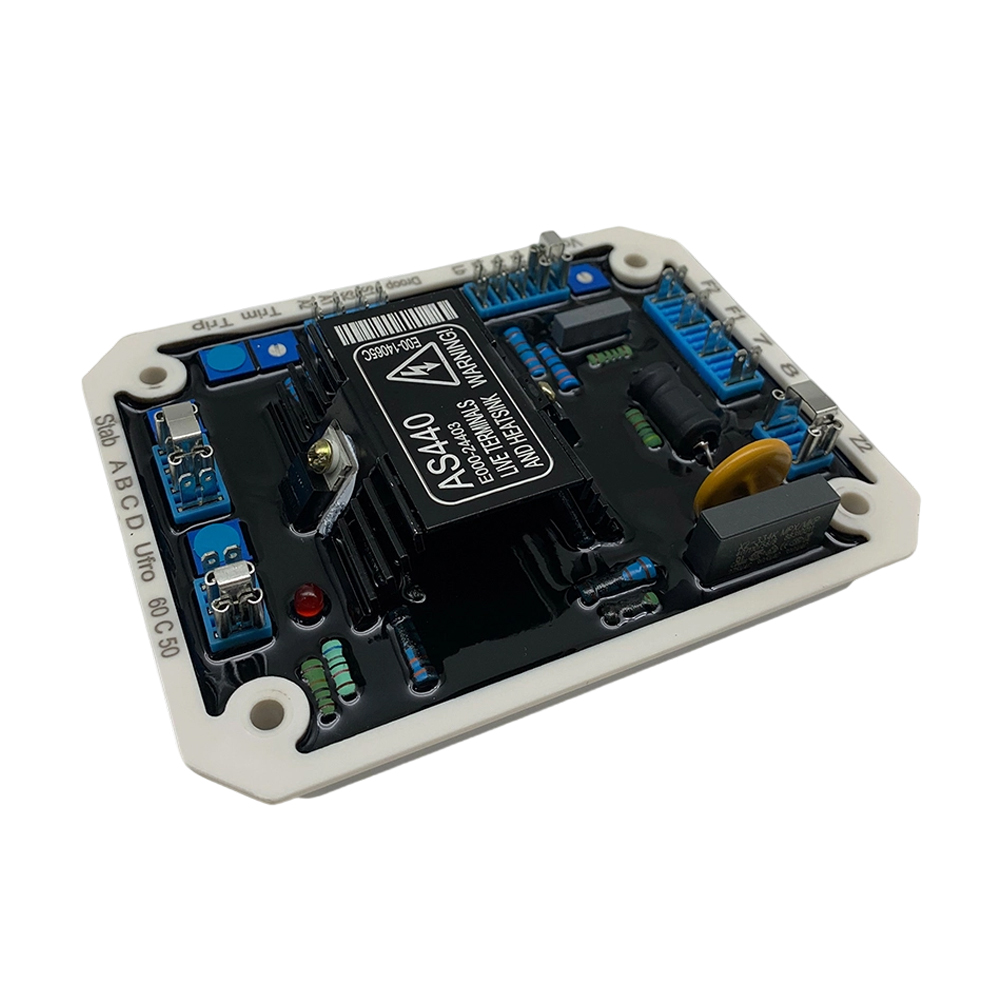
Generator AVR (Automated Voltage Regulator) Technology Reliablility in Frigid Climatic Conditions
Effects of Thermal Stress
Extreme temperatures have a significant negative effect on the performance of an AVR. The most common problems caused by thermal issues are the accelerated aging of the semiconductors due to prolonged exposure to the heat and forcing the AVR to operate at temperatures below its rated value (derating). It is estimated that for each increase of 10°C of exposure above 85°C, the life of the electrolytic capacitors is decreased by a factor of 2. The opposite is also true. In sub-zero winter conditions, the AVR performance also declines due to the increase in the internal resistance of the AVR, which causes the voltage to sag at the input for the AVR. The thermal performance problems of the AVR account for 42% of the premature failures in the industrial AVR, and repairs for the AVR failures have an average cost of $740 000 (Ponemon Institute, 2023).
The Role of Moisture, Salt, and Humidity
The presence of high humidity allows for the development of the electrochemical corrosion on the AVR terminal blocks and the PCB. The presence of salt in the air, which is common in the coastal and marine environments, creates short circuits due to the presence of conductive layers. The corrosion of unprotected copper contacts is increased by 200% when the humidity is increased from 50% to 85%. The presence of moisture also increases the risk of ground faulting of the transformer winding insulation. Some manufacturers have begun to use stainless steel and conformal coatings in an effort to mitigate the corrosion.
The Role of Dust, Vibration, and Contaminants
The airborne particulates are unsealed in the AVR housing, and settle on the circuit board to promote arcing of the high voltage. Vibration from the nearby machinery also causes the solder joints to fail, which causes the solder joints to be intermittently connected. The accumulation of silica dust in mining operations is also a common problem that increases the signal noise by an average of 15 dB, which disrupts the feedback control loops. The average design that is meant to mitigate the noise uses Vibration dampening and enclosure design that has an IP65 rating.
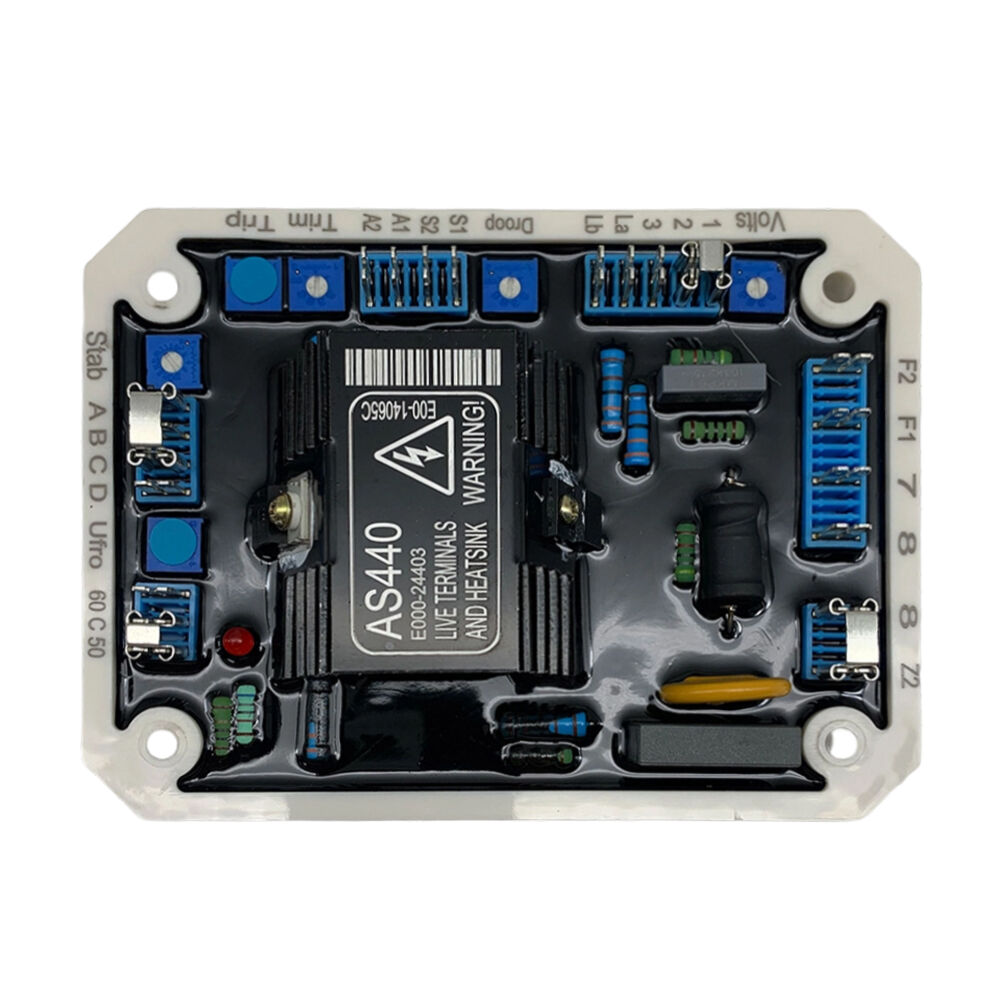
Generator AVR Common Failures with Special Consideration to Extreme Environments
The Case of Corrosion and Thermal Cycling Resulting in Open Circuits and Intermittent Outputs
Corrosion at the contact points and along the copper traces by moisture and salt results in a decrease in moisture contact and ultimately failure of the connection. Thermal cycling generates expansion and contraction during a temperature increase and decrease. Corrosion at the solder joints and at the pathways of the PCB results in micro-fractures. These micro-fractures can be the cause of the intermittent voltage drops and the sudden shut down of the device. Corrosion of terminal blocks has been noted to occur in less than six months of service along the coast. Units in desert regions may experience solder joint failure, over 500 thermal cycling. In order to mitigate the effects describe above, components that are hermetically sealed with circuits that are conformal coated along with components that are rated to operate at a temperature of -40°C to 85°C are required.
The Degradation of the Sensors and the Feedback Loop are the Primary Cause of the Voltage Instability and Inability to Regulate within a Particular Band
Environmental Stressors Corrupt the Regulatory Elements of Voltage Control. The Dust that Accumulates on the Photo Sensors and the Corrosion of the Voltaic Binds due to Humidity disproportionately creates Erroneous Readings that Affect the Feedback loop in a way that insures the system is at the extremes as way of producing the output by the process to be participated in. The capacitor (drift) premature aging in combination with the degradation of the resistor worse the system. To counteract the incidences the use of sealed modules has become the norm, but in addition to that the use of a reset-able drift is common with periodic re-calibration, especially in the high-pressure dust environments to maintain voltage stability of the systems within a +/- 1% tolerance.
Features that set Generator AVR Design Apart for Use in Extreme Environments
Generator AVR design features that set them apart in the design and reliability in extreme environments begin with sophisticated physical protection.
Integrated potting compounds to block dust and thermally resist expanding compounds. Housings that are hermetically sealed and welded or torqued gaskets to physically block moisture and salt from corroding contacts. Housings that are IP65+ rated to withstand high pressure water jets and dust ingress. This technology ensures sealing during extreme humidity and in high-frequency sand storm environments. Extended field studies show sealed units outlast non-sealed units in extreme environments by over three times.
Wide-Temperature semiconductor technology and brushless excitation technology
Wide operating temperature range devices and semiconductor technologies are part of the modern technologies that are implemented in the rule of AVR. This technology evens out the rate of fluctuations of excitation current during extreme temperature fluctuations of the ambient temperature and improves the overall reliability of the system and reduces the thermal stress. The combined technologies reduces thermal-cycling related AVR failures by an estimated rate of 68% according to many of the industrial reliability studies.
General Generator AVR Best Practices for Installation and Use in Extreme Environments
Best practices for installation and long-term maintenance of Generator AVRs reliability in extreme environments first involves proper placement of the unit and clean and dry overall system design. It is recommended that the overall assembly be placed in an interior dry location with minimal vibration and placed in an adequately ventilated environment. IP65 rated or higher enclosures are preferred in environments where dust moisture or salt exists.
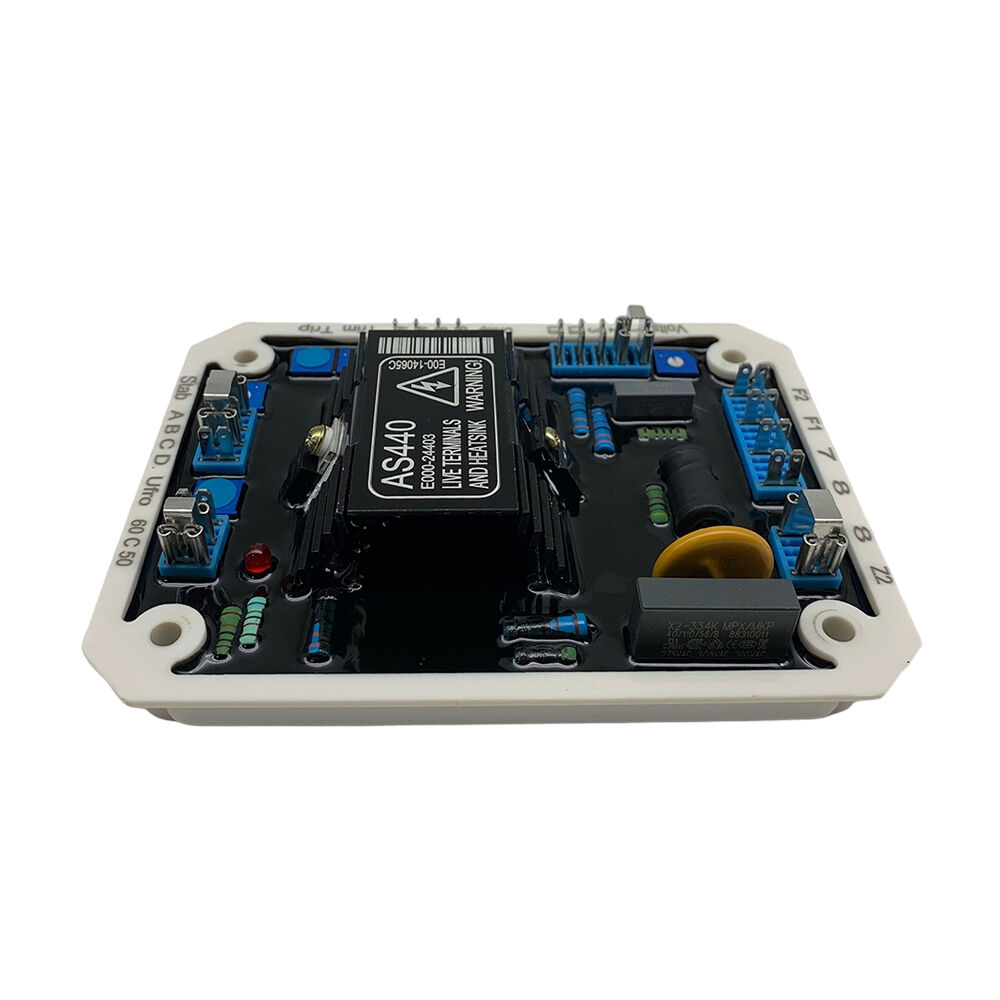
For sustained efficiency, set up a maintenance timetable as follows:
Review every three months for corrosion; loose terminals; and damaged insulation.
Every six months, clean thoroughly using dry, compressed air to eliminate any conductive debris.
Conduct voltage calibration checks while under load every 500 hours of runtime.
Use thermal imaging to identify unusual temperature distributions in the winding.
To avoid maintenance-related unplanned failures, proactively replace components according to manufacturer suggestions. Facilities using this practice enjoy a 40% improvement in AVR lifespan even in the most extreme conditions, compared to unplanned maintenance.
Frequently Asked Questions
What can be said about AVR derating in relation to reliability?
AVR derating means the operating temperature of the component is kept below the maximum rating, and this can cause aging and loss of reliability.
What happens to AVR units when there is moisture?
Moisture can cause corrosion of electrical contacts, insulation can be compromised, and this can result in short circuits and ground faults.
What damage can dust and contaminants cause to AVRs?
Dust may accumulate on circuit boards and the dust layer can cause arcing and signal noise. Vibration can lead to loose connections.
Which design aspects of AVRs are most suited to extreme conditions?
Use of sealed circuitry, dust proof housing, and temperature rated semiconductors are typical of enhanced reliability in extreme conditions.
Which maintenance procedures are the most effective for AVR longevity?
Periodic inspections, air dusting, voltage checks and thermography can prolong the life of AVRs in adverse conditions.

