
 EN
EN



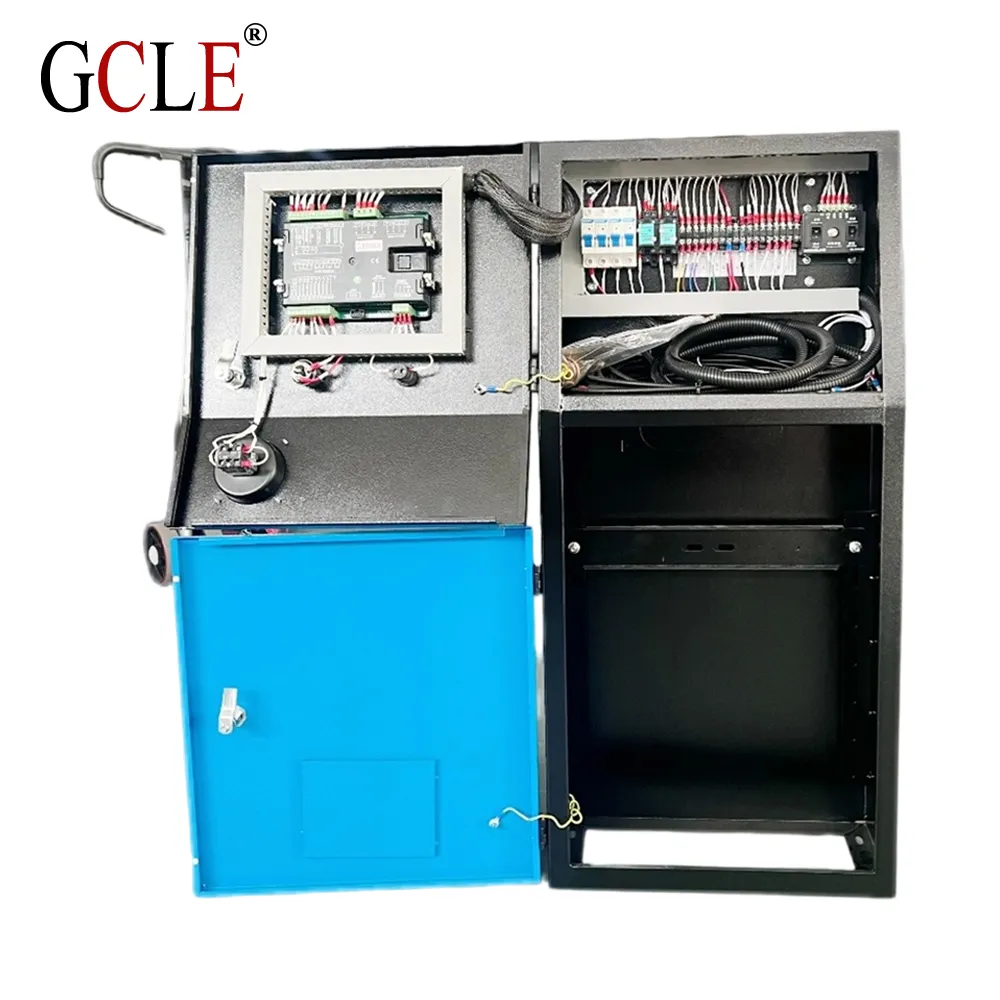
Requirements for Generator Control Panel Compatibility
Matching Voltage, Frequency, and Phase
Generator control panels must closely match generator electrical output. Voltage mismatches greater than ±5% cause damage to the generator and load equipment. Frequency differences greater than ±0.5 Hz may result in problems with the stability of synchronization to the electrical grid. Phase alignment deviation shall not exceed ±10 degrees to prevent excessive operational stresses on the generator. These tolerances are defined in the IEC 61439-2 standard for safe parallel operation and must be considered mandatory for reliability and compliance.
Use of Communication Protocols (Modbus, CANbus, J1939)
Integration relies on flexibility with protocols. Modbus RTU is more widely used for basic monitoring and control in an industrial environment. However, protocols CANbus and SAE J1939 are used for engine diagnostics of most modern generator sets. Protocol incompatibility is responsible for approximately 50% of integration problems encountered in field applications. This indicates an imperative for control panels to provide support for multiple protocols without the need for gateways or translation layers.
Physical Integration: Mounting, Wiring, I/O
Three physical characteristics determine seamless integration:
Mounting compatibility to generator cutouts, with DIN rail design accelerating integration.
Correspondence of wiring harness connectors to generator terminal blocks.
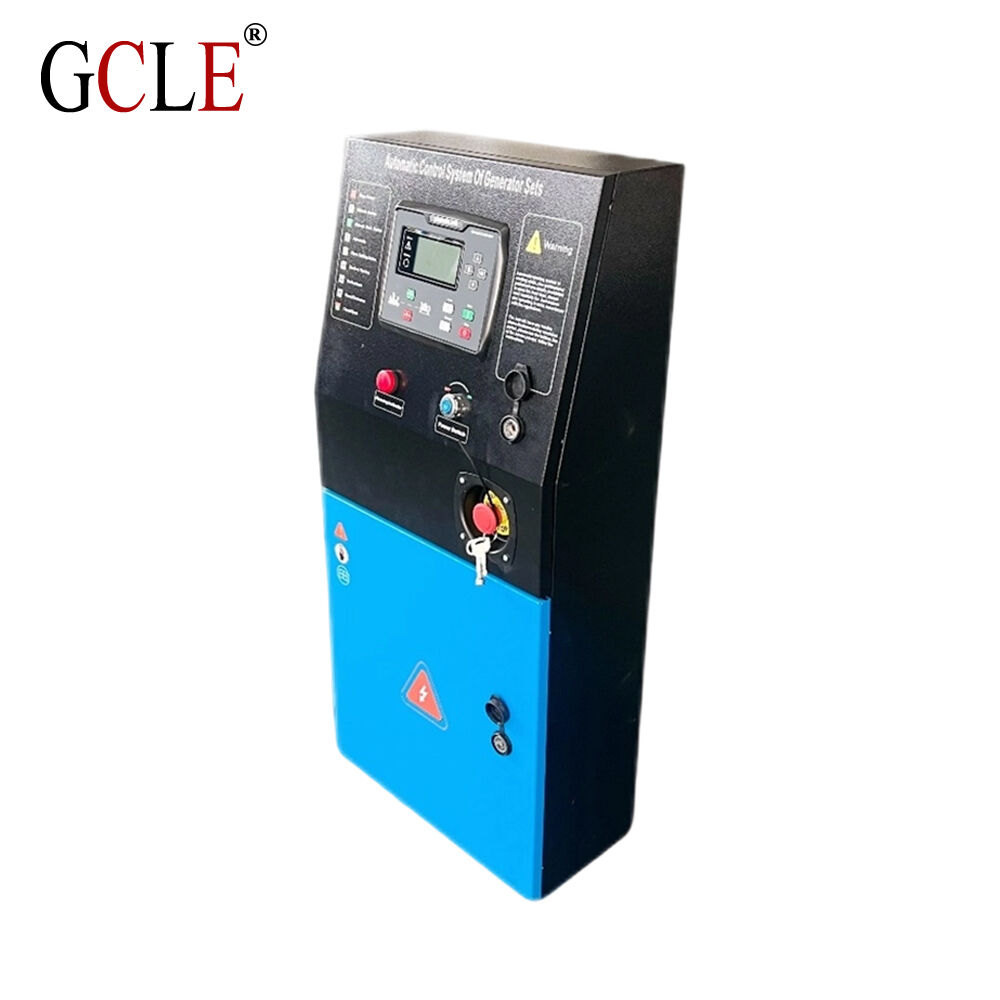
Adequate provision of I/O for control of sensors and actuators.
Rapid integration of IP54 connectors and modular wiring is accomplished in less than 60% of time as compared to custom designs.
OEM vs. Aftermarket Generator Control Panels: Boundaries of Interchangeability
OEM Firmware Lock-in and Unique Signal Mapping
Encryption of firmware and unique signal mapping are common in OEM control panels. OEMs design their panels this way to capture the replacement cycle of their customers. OEMs claim these design features protect their systems from third-party manipulation. However, this constrains the operator’s options when it comes to retrofitting, upgrading, or managing a multi-brand fleet. As a result, OEMs sell their control panels at a premium of at least 35%.
Universal Generator Control Panels: Proven Cross-Model Compatibility
Programmable logic with built-in open protocols such as Modbus or J1939, are integrated into universal panels to solve the limitations for cross-brand integration. Verified universal panels, through rigorous testing, have the ability to interface with over 150 generator models produced by leading OEMs.
Attribute OEM Panels Verified Aftermarket Panels
Cost Efficiency High premium Up to 40% savings
Cross-Model Fit Limited to single brand 150+ generator models
Protocol Support Proprietary protocols Modbus/J1939/CANbus standard
Scalability Hardware-bound upgrades Field-programmable logic
High-integrity universal panels reduce generator replacement time by 60%, with no proprietary configuration restrictions and improved commissioning time.
Real-World Integration Successes and Lessons Learned
Cummins QSK Retrofit with Basler DECS-250 Generator Control Panel
The Basler DECS-250 control panel was used to solve problems of synchronizing Cummins QSK series generators during a 2022 mining operation. The DECS-250 control panel paired with a modular hardware design, which reduced installation times by 3 hours compared to Basler’s OEM products. The Basler control panel paired with the modular design reduced the incidence of the 40% of the Basler control panel’s voltage swings. Installation success relied heavily on the verification of the CANbus message structure prior to the start of the project and the presence of shielded cables to mitigate the effects of EMI in high vibration locations.
Kohler kW Scaling Using Modular PCM-400 Generator Control Panel
By employing Kohler generators and the Modular PCM-400 Generator Control Panel, a hospital was able to boost its backup power supply from 200kW to 600kW. A “plug and play” I/O system meant that no custom wiring was necessary to integrate temperature sensors, load sensors, and phase sensors across the three generators. The system achieved a 99.98% reliability of automatic load transfer during post 2021 flood resilience tests. During monsoons, engineers conducted stress tests and discovered that adjusting phase-matching thresholds reduced the number of false alarms that were triggered by transitory grid conditions.
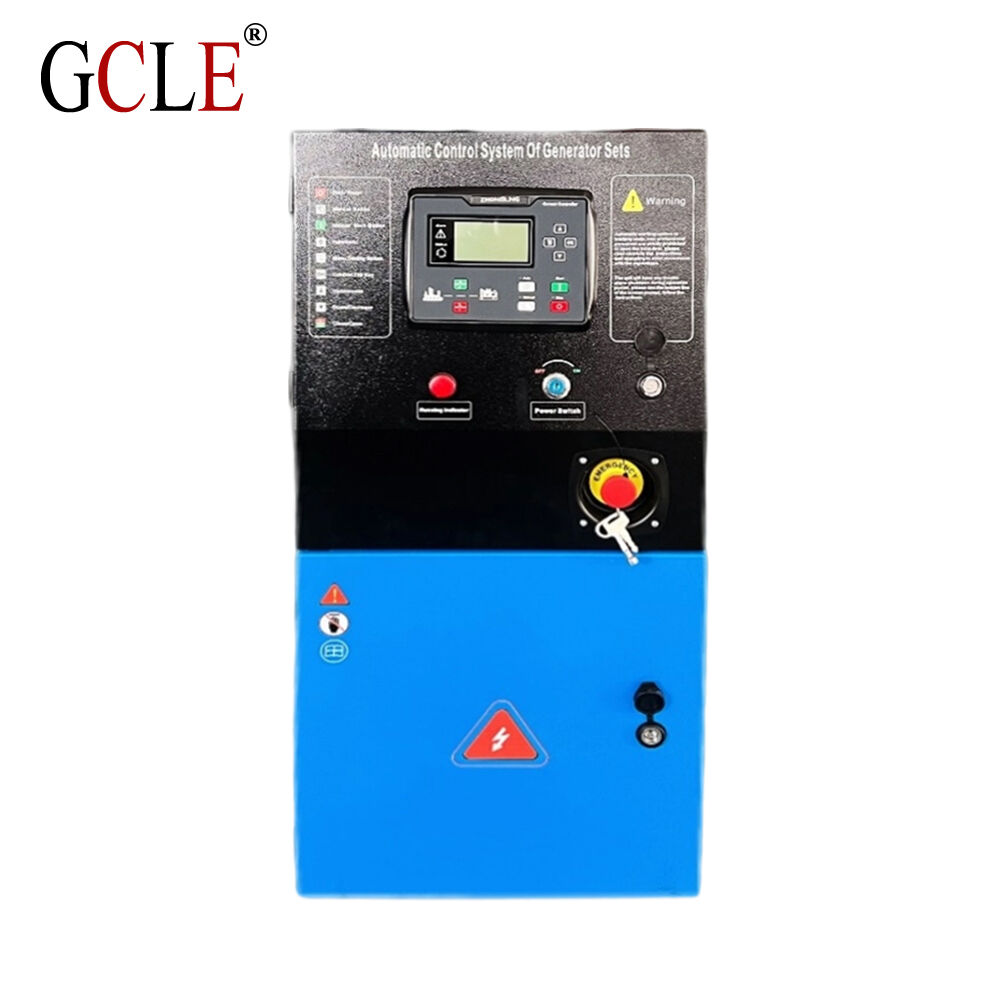
Trends in Modular Generator Control Panels
Modular generator control panels emphasize the importance of long-term system viability. Instead of fixed-architecture units, panels use swappable hardware modules (like comms cards and I/O expanders) along with interchangeable ports. This allows older technology to be replaced without changing the entire panel. Some of these use Internet of Things (IoT) technology, with sensors embedded in the panel to perform real-time analytics, predicting when maintenance is needed. Research shows these panels can reduce downtime by 30% from unplanned outages. The best of these systems allow the integration of hybrid energies and can work with solar inverters and battery management systems. This architecture shows the control panels of the future have interchangeable designs and can provide a company with control infrastructure that can change with the company.
FAQ
Generator Control Panel Purpose?
Generator control panels set and monitor the operational limits to ensure that the generator can provide the best outcome while safeguarding connected devices from potential harm.
Relevance of Communication Protocols to Generator Control Panels
They offer the capability to come to a consensus regardless of the monitored system. They also provide protocols that allow functions to be performed without the need for alterations.
Aftermarket Generator Control Panels on OEM Generators
Aftermarket panels are built to control a variety of OEMs and allow for seamless integration of different systems.
Modular Generator Control Panel Advantages
Panels of this sort are easier to adjust as the technology can be swapped out. They give flexibility in design and use. This makes them a good solution for technology that is either developing or advancing.
What are the advantages of modular control panels for hybrid energy systems?
They help incorporate various renewable energy sources, for example, solar with battery storage, to create more sustainable energy options.

