
 EN
EN



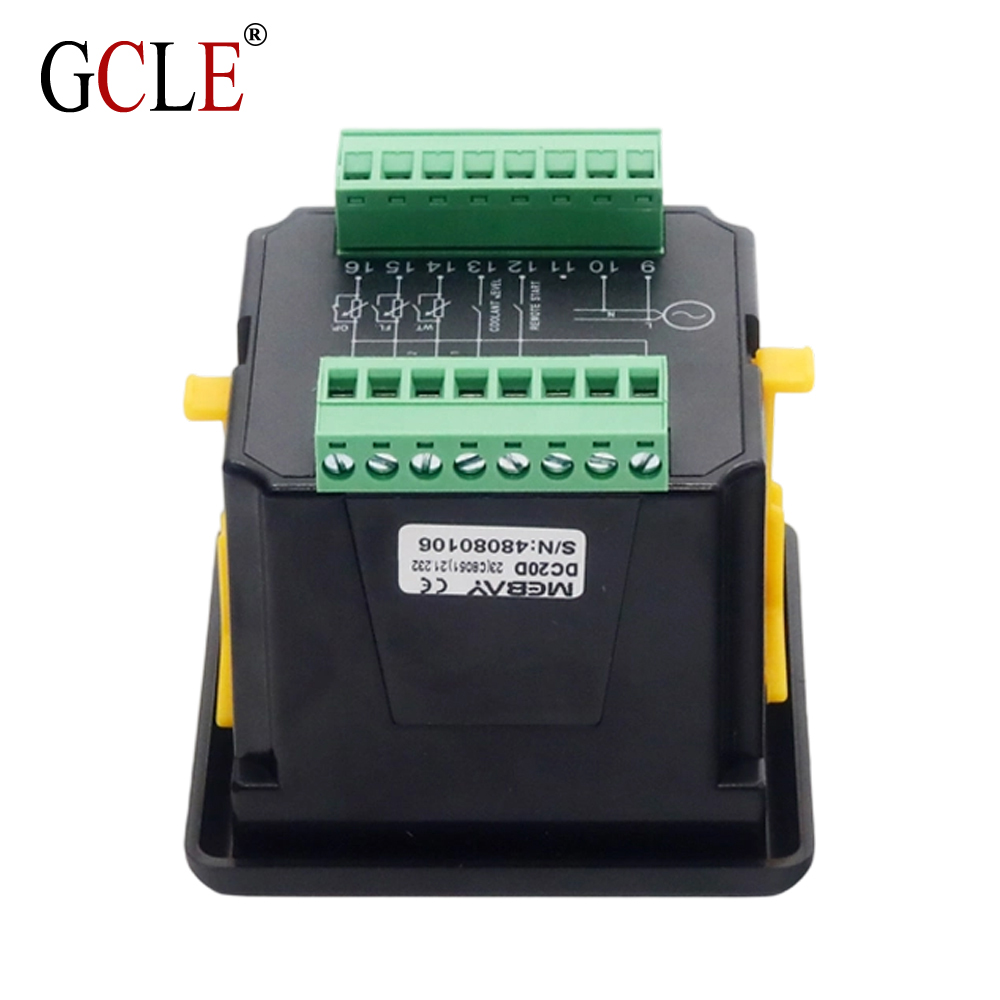
The strength and reliability of generator controllers have a direct correlation with the uptime of the system and the generator
The reason behind generator downtime cascades
The generator controller is pivotal and if it fails the entire system fails. Since the generator controller is the central nervous system of the generator, it cannot bring the generator online when the grid fails, consequently the backup power is not available leading to the shutdown of the critical backup systems. Unlike the generator, that just sits idle, the downstream systems that rely on uninterrupted power are disrupted when the generator controller fails. The failures that happen downstream can be avoided when the generator controller provides the integrity of command under stress. This integrity is sustained with a robust construction and redundancy.
68% of the generator controller system failures is due to generator controller failures (IEEE Std 1373-2021)
Power reliability studies have proven that one of the weakest links in the system that determines the total availability of the system is the controller. Following the generator outage rule (IEEE Std 1373-2021), nearly 68% of generator outages are as a result of generator controller failures. These failures include a malfunctioned generator controller, poor response of the controller to the generator, poor sensor performance, degraded sensor communication lines, and creased integrity in the communication protocol. This rule points to the failure risks that are prevalent in the controllers that are meant for the healthcare, telecommunications, and the industrial domains. Virtually all the systems with a purpose built and highly robust integrated controller experience far less outage events compared to the systems that use commercial controllers with no redundant design.
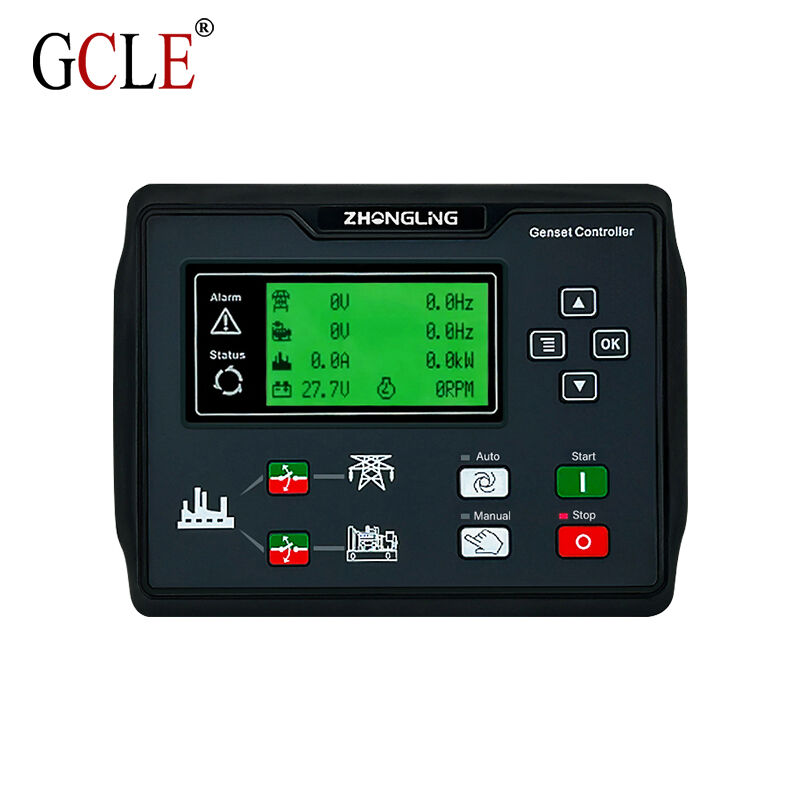
Protection Capabilities: The Extension of Equipment Lifespan through the Generator Controller
Real-Time Protection of Generator Systems from Voltage, Frequency, Temperature, and Speed Failures
A high-quality generator controller protects your generator and controlled equipment from damage caused by over-temperature, over-speed, and other potentially harmful operational conditions (e.g., high voltage and strategic frequency load imbalances). Spikes in voltage cause damage to the winding of a generator, imbalances in frequency upset sensitive electronic loads, over-temperature accelerates the breakdown of the winding insulation, and over-speed stress the rotor and other generator components. The controller also performs an automatic shutdown of the generator under such harmful operating conditions. This protective management of operating conditions significantly reduces the cumulative operating wear to the generator and other controlled equipment, extending the life of the generator and equipment to 25 years or more when installed, maintained, and protected properly. This protective capability also helps reduce the overall wear and tear of engines, alternators, and transfer switches, and aids in reducing the total cost of future repairs while helping to maintain the overall value of the asset.
Mission-Critical Autonomy: The Generator Controller Protects Your Backup Power in Critical Situations
Failover Logic, Automatic Start, and Self-Diagnosis in Healthcare, Data Centers, and Telecoms
Healthcare facilities, data centers, and telecoms assume the risk of even the momentary loss of power due to loss of patient safety, risk of loss of data, and disruption of networks. A high quality generator controller balances the protection of the utility and controlled systems by detecting the loss of utility and autonomously initiating the backup generator within 10 seconds, thus eliminating the need for a timely response from a person. The controller's self-diagnostic capability allows it to continuously monitor its internal health or status. This includes monitoring the battery, the accuracy of the sensors, and the integrity of the controller. Additionally, subtle changes to the sensors such as early deterioration of the sensors, are identified and the controller alerts the user of the needed maintenance. More advanced controllers can perform weekly maintenance (in a non-disruptive manner) to simulate a transfer of load, thus providing assurance that the controller is ready to perform its function. This level of
Cybersecurity and Remote Monitoring (Digital Dimensions of Generator Controller Durability)
Predictive maintenance made possible by secure remote monitoring and event logging.
Today, the durability of generator controllers has a digital aspect, and cybersecurity and remote monitoring are prerequisites. Hardened controllers utilize encrypted communications, role-based access control, and secure over-the-air (OTA) updates to defend against unauthorized access and undue interference. Remote monitoring enables real-time access to operating metrics and event logs, which helps operators identify performance anomalies before failures occur, which include rising engine temperatures and faulty voltage regulation. When used alongside predictive analytics, this data adjusts the maintenance strategy of a piece of equipment to perform maintenance only when it is needed to prevent equipment failures and maximize the lifespan of the equipment. Digital safety for mission-critical power infrastructure is a key addition.
FAQ
What is the importance of generator controller durability?
The durability of generator controllers is vital for maintaining the continuity of a system to reduce the chances of cascading outages and to ensure the continued operation of critical facilities when the grid fails.
What percentage of unplanned outages are associated with controller-related faults?
According to IEEE Std 1373-2021, up to 68% of unplanned generator outages are linked to controller-related faults.
What is the role of durable controllers in improving the lifespan of generators?
Durable controllers ensure that the equipment does not become damaged by performing real-time monitoring on voltage, frequency, temperature, and speed and initiating protective equipment shutdowns when safe operating conditions are no longer present.
What role do generator controllers play in emergency power applications?
In emergency power applications, generator controllers are essential for failover, automatic start, and self-test capabilities, helping maintain power for medical facilities, data centers, and telecom services.
How does remote monitoring enhance controller performance?
Remote monitoring improves performance by providing operational data and analyzing trends to predict and mitigate future failures, which maximizes the lifespan of the system.

