
 EN
EN



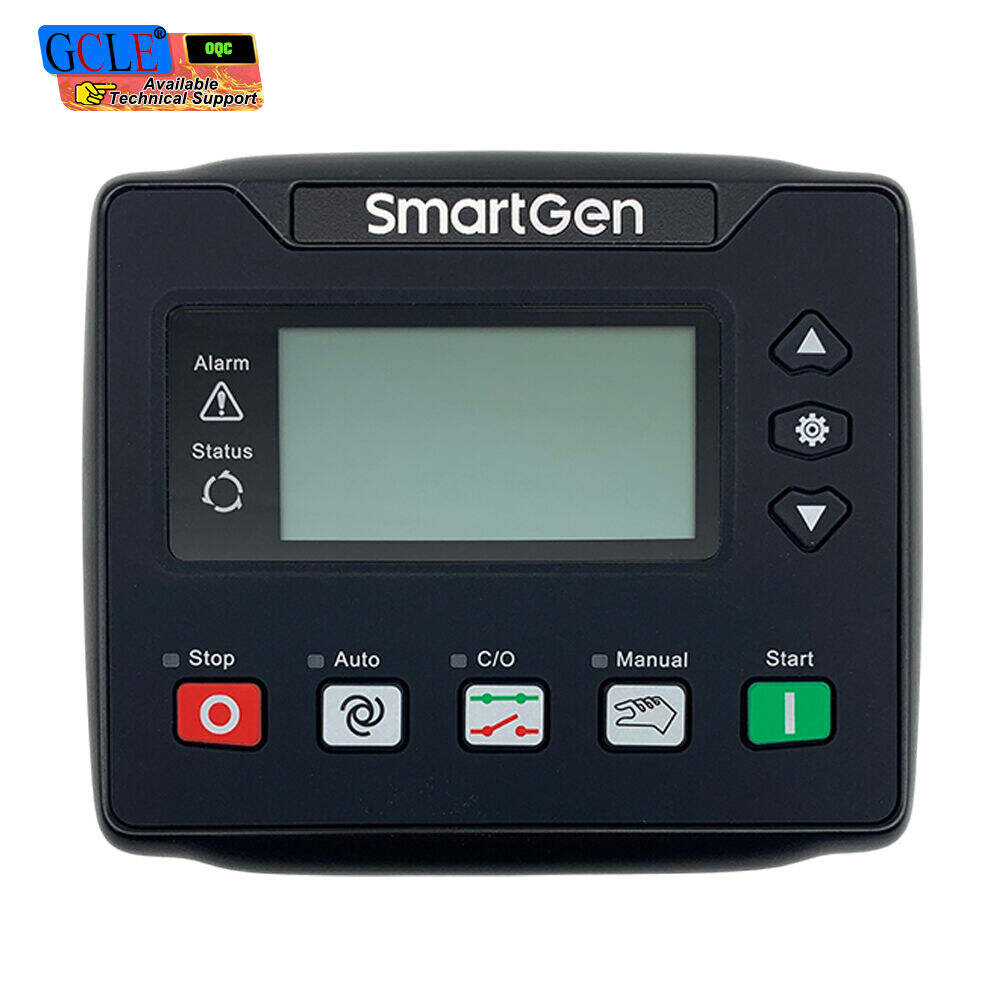
Communication Protocols That Enable Remote Monitoring
A modern generator control panel is not limited to push-button start and analog gauges. Remote monitoring capability is built into the panel's communication architecture through standardized industrial protocols. The question is not whether remote monitoring is possible — most panels manufactured after 2018 support it — but which protocol the panel uses, what data it exposes, and how securely that data travels from the generator site to the operator's screen.
Modbus RTU/TCP, CAN Bus, and IoT Gateway Architecture
Three communication architectures dominate remote-enabled generator control panel design. Modbus RTU — the most common — transmits over RS-485 serial links at distances up to 1,200 meters, serving as the standard for on-site communication between the panel and a local SCADA system. Modbus TCP encapsulates the same data structure in Ethernet frames, enabling IP-based integration and remote access via VPN tunnel. CAN bus (SAE J1939 for diesel engines) provides high-speed deterministic communication between the panel and engine ECU, AVR, and sensors — but requires a gateway translating CAN frames to Modbus TCP or MQTT for external access. Modern IoT-enabled panels integrate an onboard 4G/LTE modem with MQTT publish-subscribe messaging to a cloud broker, eliminating external gateways. The architecture choice determines how easily the panel connects to existing remote monitoring infrastructure.
Real-World Case — A Telecom Operator's Remote Generator Fleet
A mobile network operator in West Africa managing 1,200 tower sites — each with diesel generator backup — replaced standalone analog controllers with networked generator control panel units after repeated outages caused by generators running out of fuel before refueling teams arrived. Existing panels had no communication output; technicians manually logged run hours during monthly visits. GCLE (Ningde Dragon Technology), a diesel generator control systems manufacturer established in 2010 and serving 150 countries, supplied replacement panels with integrated Modbus TCP and 4G LTE. Each panel streams real-time data — fuel level, oil pressure, coolant temperature, battery voltage, running hours — to a central cloud dashboard via MQTT. Automated alerts trigger when fuel drops below 25%. In six months, fuel-exhaustion outages dropped 78%, and run-hour data enabled predictive maintenance that reduced unscheduled service calls by 34%.
Remote Monitoring Functions That Reduce Downtime
Real-Time Parameter Streaming, Alarm Notification, and Load Management
A remote-enabled generator control panel delivers three operational functions. Real-time parameter streaming — engine RPM, output voltage and current per phase, frequency, power factor, coolant temperature, oil pressure, fuel level — updates at 1 to 5 second intervals. Alarm notification with configurable thresholds for under-voltage, over-frequency, low oil pressure, high temperature, and emergency stop delivers alerts via SMS, email, or push notification within 30 seconds. Remote load management enables coordinated start, stop, and output adjustment across multiple generators in a microgrid or backup power system.
Cybersecurity Requirements for Remote-Accessible Panels
Authentication, Encrypted Communication, and Network Segmentation
A generator control panel accessible from the internet is a cybersecurity target. In 2022, researchers demonstrated that unprotected Modbus TCP interfaces on generator controllers could be exploited to issue unauthorized start/stop commands and disable protective relays. Three requirements apply. Authentication — every remote connection requires unique credentials with role-based access distinguishing read-only monitoring from operational commands and configuration changes. Encrypted communication — Modbus TCP transmits plaintext; a VPN tunnel (IPsec or WireGuard) or TLS 1.3 wrapper encrypts all data in transit. Network segmentation — the panel's interface should connect to a dedicated operations VLAN isolated from the corporate network, with a firewall permitting only authorized IP addresses and ports.
Integration with Building and Energy Management Systems
SCADA, BACnet, and Cloud Dashboard Compatibility
A generator control panel in a building or industrial facility rarely operates alone. Integration with the BMS or SCADA platform enables coordinated emergency response — when utility power fails, the BMS sheds non-critical loads, the generator starts, and the transfer switch engages, within 15 to 20 seconds. BACnet — ISO 16484-5 for building automation — is supported by some panels for direct BMS integration without protocol converters. Cloud dashboard platforms aggregate data from multiple generator sites into a single view with fleet status, fuel trends, maintenance schedules, and alarm history. For facility managers overseeing dozens of sites, this consolidated view replaces dozens of individual panel inspections with a single-screen overview.
Frequently Asked Questions
Can a generator control panel be monitored from a smartphone?
Yes. A generator control panel with 4G/LTE connectivity and an MQTT cloud interface supports mobile monitoring via a web dashboard or dedicated app accessible from any smartphone with internet access. GCLE's panels support remote monitoring from mobile devices.
What data can be remotely viewed from a generator control panel?
A remote-enabled generator control panel streams engine RPM, voltage and current per phase, frequency, power factor, coolant temperature, oil pressure, fuel level, battery voltage, and running hours — updated every 1 to 5 seconds.
Is remote generator monitoring secure?
A generator control panel requires encrypted communication (VPN or TLS 1.3), unique authentication per user, role-based access control, and network segmentation on a dedicated operations VLAN to prevent unauthorized remote access and command injection.
What protocols do generator control panels use for communication?
Modbus RTU (RS-485), Modbus TCP (Ethernet), CAN bus (SAE J1939), and MQTT (IoT cloud) are the primary communication protocols in a generator control panel. The protocol choice determines integration options with existing site infrastructure.
Can a generator be started and stopped remotely?
Yes. A generator control panel with remote command capability supports remote start, stop, and load-adjustment commands, provided the operator has the appropriate role-based permissions and the communication channel is encrypted.
How does a generator control panel integrate with a building management system?
A generator control panel integrates with BMS platforms via BACnet (ISO 16484-5), Modbus TCP, or dry-contact relay outputs. Integration enables automated load-shedding and generator start on utility power failure.

