
 EN
EN



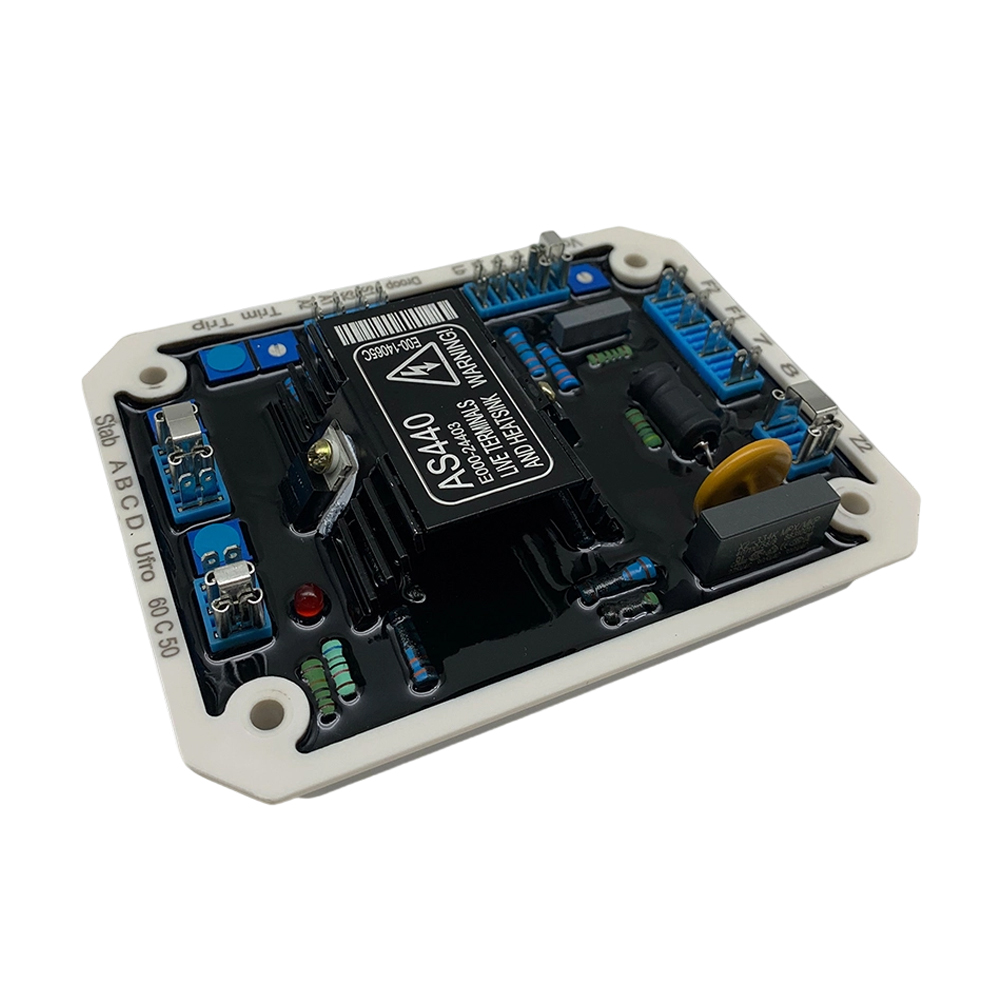
The Generator Control Panel as a Safety System
A diesel generator running unattended during a storm is not watched by a human. It is watched by its generator control panel — a microprocessor-based controller monitoring voltage, current, frequency, oil pressure, coolant temperature, and engine speed hundreds of times per second. When any parameter exceeds safe limits, the control panel acts — reducing load, sounding an alarm, or shutting down the engine. The control panel is the difference between a generator protecting itself and one destroying itself.
Protection Functions Built Into Modern Controllers
A modern generator control panel integrates electrical protections — overload, short circuit, over/under voltage, over/under frequency — with engine protections — oil pressure, coolant temperature, engine speed, fuel level. The controller processes sensor inputs continuously and executes pre-programmed responses from warning alarms to immediate shutdown. Response speed matters: a short circuit generates destructive current within milliseconds, so the protection relay must detect and interrupt faster than the breaker’s mechanical time.
Real-World Case — A Data Center Avoids Engine Damage
A Singapore data center’s 2 MW diesel generator was under routine test when its generator control panel detected coolant temperature rising at 2°C per second instead of the expected 0.3°C. The controller triggered a pre-alarm at 100°C, alerted facility management, and executed automatic shutdown at 105°C. Inspection revealed a failed coolant pump drive belt — intact visually but slipping due to lost tension. Without temperature monitoring and automatic shutdown, the engine would have overheated within minutes, potentially warping cylinder heads and causing a repair exceeding $30,000. The control panel turned a mechanical failure into a controlled shutdown with zero engine damage.
Core Electrical Protection Features
Overload, Short Circuit, and Over/Under Voltage
Overload protection monitors current drawn by the load. When current exceeds the rated output by a configurable threshold — typically 110% — the generator control panel sheds non-critical load or trips the main breaker. Sustained overload overheats alternator windings and degrades insulation. Short circuit protection responds faster — a bolted fault produces 10 to 20 times rated current. The protection relay detects the spike and trips within milliseconds. Over/under voltage protection guards against AVR failure: if the voltage regulator fails, the control panel independently detects the excursion and shuts the generator down before customer equipment is damaged.
Engine and Mechanical Safety Features
Low Oil Pressure, High Temperature, and Over-Speed Shutdown
The generator control panel monitors oil pressure continuously. Pressure below the safe threshold — typically 10 to 15 psi at idle — triggers immediate shutdown. Running without oil destroys bearings within minutes. High coolant temperature protection prevents overheating from coolant loss, failed pumps, or blocked radiators. Over-speed protection guards against runaway: if the governor fails and RPM climbs beyond 115% to 120% of rated speed, the control panel cuts fuel delivery immediately.
What to Look for in a Generator Control Panel
Five Safety Features to Verify Before Purchase
First, confirm independent over-speed protection — not reliant on the engine governor alone. Second, verify short circuit response time in milliseconds, tested against the alternator’s characteristics. Third, ensure low oil pressure and high temperature shutdowns are hard-wired to the fuel solenoid — a microcontroller failure must not disable engine protection. Fourth, check that AVR monitoring is independent — the control panel must detect AVR failure from voltage measurements, not from the AVR’s own feedback. Fifth, confirm the event log stores protection activations with timestamps for post-incident analysis. A generator control panel with these five features is a safety system; without them, it is a monitoring display that cannot protect the asset.
Frequently Asked Questions
What safety features does a generator control panel provide?
A generator control panel provides overload protection, short circuit protection, over/under voltage and frequency protection, low oil pressure shutdown, high coolant temperature shutdown, and over-speed shutdown — protecting both the generator and connected equipment.
How fast must short circuit protection respond?
Short circuit protection must detect the fault and trip within milliseconds — typically under 10 ms for electronic relays. A bolted fault producing 10 to 20 times rated current can destroy alternator windings if not interrupted immediately.
What is the difference between warning alarms and automatic shutdown?
Warning alarms notify operators of non-critical deviations — temperature approaching the limit. Automatic shutdowns execute immediately for conditions threatening immediate damage: low oil pressure, over-speed, or short circuit.
Should safety shutdowns depend on the control panel microcontroller?
Critical shutdowns — low oil pressure, high temperature, over-speed — should be hard-wired to the fuel solenoid. A generator control panel where all protections depend on software logic creates a single point of failure.
What happens if the AVR fails while the generator is running?
AVR failure can cause the generator to output voltage far above rated levels, potentially damaging all connected equipment downstream. The generator control panel must monitor output voltage independently from the AVR and execute a shutdown if voltage exceeds the over-voltage threshold — typically 110% to 115% of nominal — regardless of what the failed AVR reports.
Can a generator control panel log protection events?
Yes. Modern generator control panel units maintain event logs with timestamps for each protection activation — overload, over-temperature, low oil pressure shutdown, over-speed trip — enabling post-incident root cause analysis. This data is essential for maintenance planning, failure investigation, and regulatory compliance documentation in critical applications like hospitals and data centers.

