
 EN


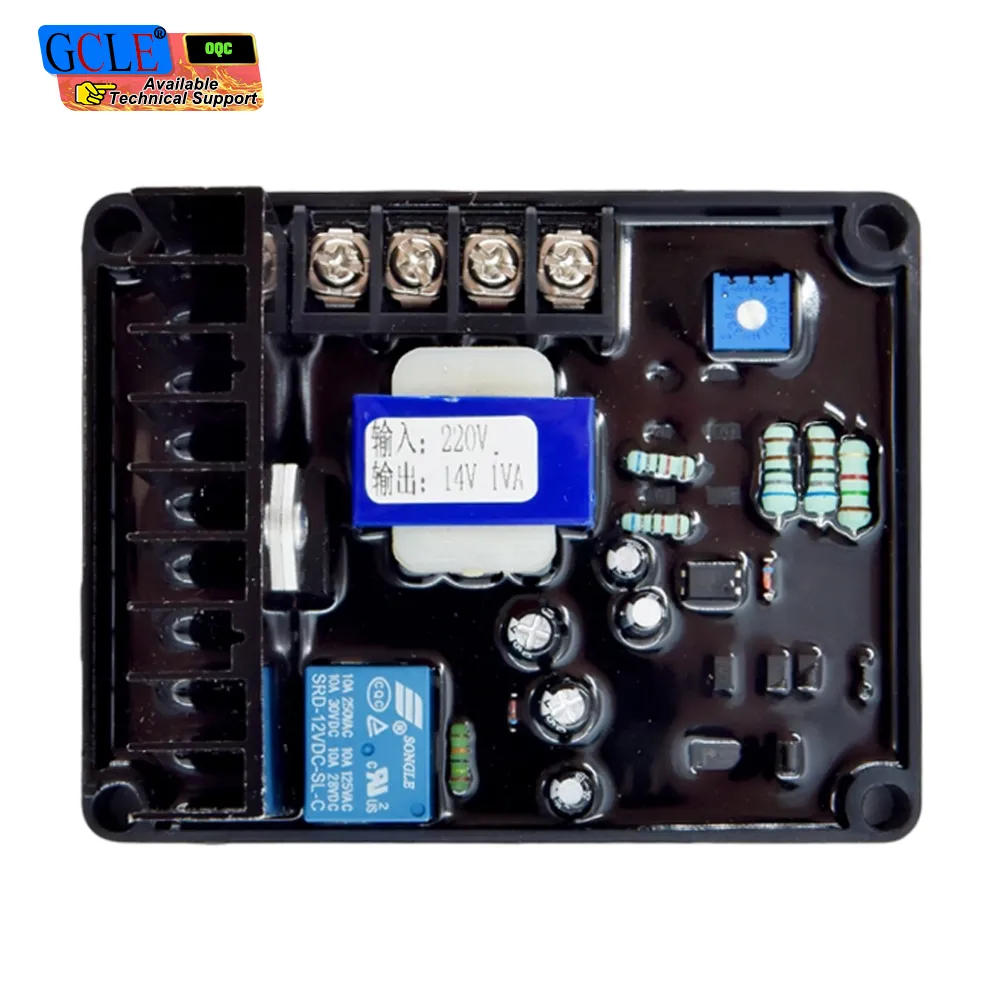
Are Replacement Generator AVR Units Easy to Install and Debug?
A Field Swap That Restored Voltage
A rental yard received a brushless set that delivered only about 60% of rated voltage and could not be loaded. The technician suspected the generator avr and carried a matching spare. After isolating the set and confirming no live bus, the generator avr came out with two screws and a plug, and the new generator avr dropped into the same footprint. The set then built to nameplate voltage within seconds of a start, which put the unit back to work the same day.
The low-voltage complaint
The low-voltage complaint traced to a failed sense input inside the old generator avr. The module still lit up, which fooled a quick look, but it could not raise excitation. Swapping the generator avr fixed the symptom without touching the stator or the rotor, which kept the downtime to under an hour. A meter on the sense terminals would have shown the fault in minutes, but the visible light hid it until load proved otherwise.
Why the wiring mattered
Swapping the module also exposed a loose sense wire that the generator avr had been struggling to compensate for. After the new generator avr was set, the technician tightened the terminal and re-checked build-up. A generator avr install is only as good as the wiring it senses, so the check matters as much as the part. Skipping that step is the usual reason a fresh generator avr still reads low on the first run.
A second set at the same yard showed the same low reading, and the generator avr there tested fine until the sense wire was pulled. That pattern told the shop to check the harness before ordering parts, because the generator avr rarely fails alone when the symptom is low voltage with a lit module. Building that check into the intake checklist saved the yard two unnecessary swaps in one season and kept the spare where it belonged. The shop now runs that check before any module is ordered, and the practice has stuck with the newer techs.
Risks of a Faulty Regulator
Over and under voltage damage
Over and under voltage damage is the first risk. A generator avr that drifts high can cook connected electronics, while one that sags trips breakers and stalls motors. Either way the generator avr has let the machine leave its safe band, and the cost lands on the load, not the module. Setting the generator avr trim to the nameplate and verifying under load prevents most of that damage.
Instability under load
Instability under load is the second risk. A weak or mis-set generator avr may hunt, with voltage swinging as current changes, which stresses lamps and drives. A generator avr that cannot hold a steady point also fails paralleling, because the set will not share cleanly with another source. Patience on the stability pot during commissioning keeps the generator avr calm when the load steps.
How a Generator AVR Controls Voltage
Sensing and excitation
Sensing and excitation are the core loop. The generator avr measures terminal voltage through a sense circuit and compares it to a reference, then drives field current to close the gap. When load rises, the generator avr pushes more excitation to hold the bus; when load falls, it backs off. That closed loop is what keeps voltage tight. A clean sense connection is the foundation that lets the generator avr do its job.
Tuning the trim
Tuning the trim sets the operating point. A generator avr usually has a voltage adjust and a stability pot, plus a build-up rheostat on some designs. Turning the generator avr voltage trim changes the target, while the stability control damps oscillation. Small, patient moves on the generator avr beat large swings that can overshoot and trip. A meter on the bus during tuning is the only way to know the generator avr is set right.
Choosing and Servicing a Generator AVR
Matching the alternator
IEC 60034 and ISO 8528 frame the performance a generator avr must hold, and UL 2200 covers the listed assembly it lives in. A generator avr should match the field volts and amps of the specific alternator, or it will never regulate. Cross-checking the generator avr tag against the alternator nameplate prevents a mismatch that no adjustment can fix. The generator avr shape and connector also differ by brand, so the tag is the safest guide.
Install, debug and maintain
Install, debug and maintain with a plan. Mount the generator avr away from heat, seat the connector fully, and set the trim to the rated value with no load first. After a run, log the steady voltage and watch for drift at the next exercise. A generator avr that needs constant trimming should be tested for a fading sense path; suppliers such as GCL E stock generator avr models by alternator brand to speed the match.
Writing the set point and the date on a label inside the enclosure means the next service visit starts from a known base. A short note with the model and the measured no-load voltage removes guesswork during a repair. The rental yard now logs every module change with the alternator tag, so a repeat fault is a five-minute lookup rather than a fresh diagnosis. That record also shows customers the unit was set and verified, not just swapped in a rush. Keeping the label current at every service makes the next fault easier to trace.
Frequently Asked Questions
Question: Can a generator avr be fitted without an electrician?
Answer: A generator avr swap is often a screw and plug job, but the set must be isolated and locked out first. Anyone doing the work should read the alternator tag and match the generator avr to field ratings. If the wiring is unclear, a qualified technician should fit the generator avr.
Question: Why does voltage stay low after a new avr?
Answer: Low voltage with a fresh generator avr usually means a poor sense connection or wrong field rating, not a bad module. Check the sense wires and the generator avr build-up setting before assuming failure. A generator avr cannot regulate what it cannot measure cleanly.
Question: How is a generator avr tuned?
Answer: Set the generator avr voltage trim to nameplate with no load, then adjust stability to stop swing under load. Small moves work best, with a meter on the bus the whole time. The generator avr should hold steady as current changes without hunting.
Question: Will any avr fit any alternator?
Answer: No. A generator avr must match the alternator field voltage and current, or it will not excite correctly. Shape and connector also differ by brand. Matching the generator avr to the alternator tag is the safe path and avoids damage.
Question: How long does a generator avr last?
Answer: A generator avr in a clean, cool enclosure often runs for years, but heat and vibration shorten life. A set that needs frequent generator avr trimming may have a failing sense path. Annual checks of build-up and stability catch trouble early.
Question: Can a generator avr run in parallel?
Answer: A generator avr handles voltage; paralleling also needs a governor and a share bus for load. The generator avr must hold steady under changing current so the sets share cleanly. A hunting generator avr will make paralleling unstable.

