
 EN


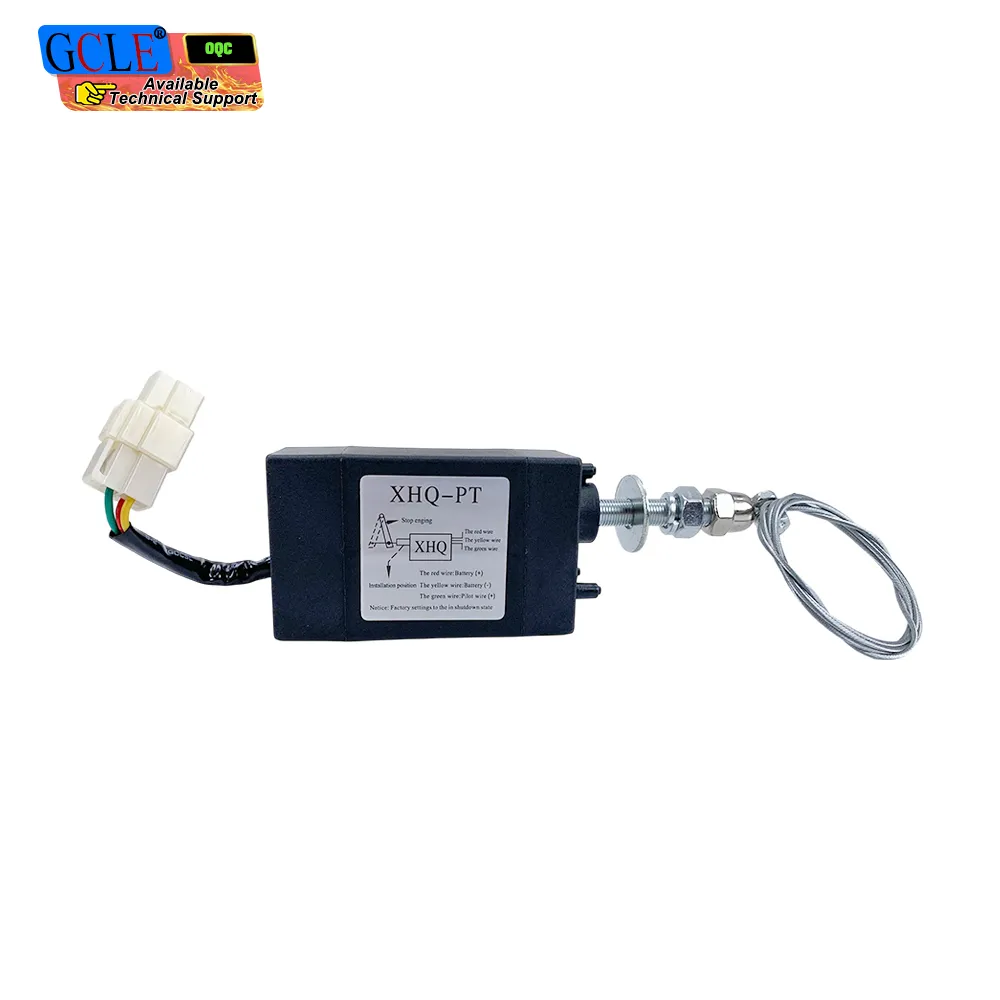
A Cross-Model Swap That Worked
A service truck broke down at a remote site with a failed shutoff on a borrowed genset. The stock engine solenoid was not on the truck, but a close-rated unit from another brand was. The technician checked voltage, thread, and plunger stroke, then fitted the engine solenoid in place of the original. The engine started, ran, and stopped on command, which got the crew home before dark instead of waiting on a parts truck.
The breakdown in the field
The breakdown in the field was a seized plunger that left the engine unable to shut down electrically. Pulling the old engine solenoid showed a 12-volt coil and a standard mounting face, which matched the spare. Swapping the engine solenoid took minutes once the right part was confirmed, not the hours a wrong guess would have cost. Tagging the failed engine solenoid with the cross-fit kept the next call short when the same fault returned.
Matching the part
Matching the part meant more than the coil. The engine solenoid had to seat against the fuel shutoff boss with the same reach, or it would not push the rack fully. After the engine solenoid was fitted and the stop tested, the technician logged the cross-fit for the next call. A careful engine solenoid match turns a stranding into a short delay, while a loose guess can leave the engine running with no way to stop it.
The same truck now carries three common engine solenoid ratings instead of one, which covers most calls without a parts wait. The tech checks the tag, matches stroke and thread, and fits the engine solenoid with the same care every time. That small kit has cut roadside delays across the fleet and turned a feared fault into a routine stop. The engine solenoid shelf has paid for itself in saved towing alone.
Risks of a Wrong Solenoid
No shutoff or stuck open
No shutoff or stuck open is the first risk. An engine solenoid with the wrong stroke may not block fuel, so the engine runs on after the key is off, or it never opens and the set will not start. Either failure puts the engine outside safe control and can let it runaway or refuse to fire. Verifying the engine solenoid stroke against the fuel boss before fitting avoids both bad outcomes.
Electrical mismatch
Electrical mismatch is the second risk. An engine solenoid built for 24 volts on a 12-volt supply will not pull in, while a 12-volt unit on 24 volts can overheat and burn. The engine solenoid coil must match the system, and the duty must suit continuous or momentary use. Wrong voltage cooks the coil fast. Reading the old engine solenoid tag is the one step that prevents a burned coil on the first try.
How an Engine Solenoid Operates
Pull-in and hold coils
Pull-in and hold coils do the work. An engine solenoid uses a high-current pull-in winding to slam the plunger, then a low-current hold winding to keep it seated without heat. When the engine solenoid is energized, the plunger moves the fuel rack or stops the fuel; when de-energized, a spring returns it. That simple action is the engine's electric hand. A failed hold winding is why some engine solenoid units pull in but heat up and drop out.
Normally open versus closed
Normally open versus closed defines behavior. A normally open engine solenoid lets fuel flow until energized to stop, which fails safe to running; a normally closed engine solenoid blocks fuel until energized, which fails safe to stop. Knowing which engine solenoid a set uses tells what a coil failure will do, and that matters for shutoff safety. The wiring must match the type, or the stop command will do the opposite of what is intended.
Fitment and Care for Engine Solenoids
Interchange guidance
ISO 8528 and SAE dimension notes guide interchange, while IEC 60034 frames the electric machine the engine solenoid guards. An engine solenoid should match voltage, mounting, stroke, and duty of the original, not just the look. Cross-referencing the engine solenoid number against a fitment list prevents a part that fits loose or not at all. The mounting face and thread are the two points that decide whether the engine solenoid seats square.
Inspect, install and maintain
Inspect, install and maintain with a checklist. Before fitting an engine solenoid, verify voltage and thread, then hand-seat it to feel full travel without force. After install, test start and stop twice and watch the coil temperature on the first run. An engine solenoid that gets hot or sticks should be changed before it strands a set; suppliers such as GCL E publish engine solenoid fitment by engine family to speed the match. A logged stop-test each service catches a weak engine solenoid before it fails far from help.
Adding the fitment note to the service record means the next breakdown names the part before the truck rolls. A short line with the engine solenoid model and the measured stop time removes doubt during a repeat fault. The fleet now treats the stop test as a monthly check, not a repair step, so a weak coil is caught in the yard. That routine keeps the engine solenoid from failing where help is hours away. A clear record also makes the next engine solenoid order a one-line task instead of a phone call.
Frequently Asked Questions
Question: Will one engine solenoid fit many engines?
Answer: An engine solenoid can fit several diesel engines when voltage, mounting, thread, and plunger stroke match, even across brands. The engine solenoid must also suit the fuel boss reach. A close look at the original tag avoids a part that fits loose or not at all.
Question: What voltage should the solenoid be?
Answer: The engine solenoid must match the machine's electrical system, usually 12 or 24 volts, or it will not pull in or will burn. Check the coil rating on the old engine solenoid before fitting a spare. Wrong voltage is the fastest way to cook a coil.
Question: Normally open or closed, does it matter?
Answer: Yes. A normally open engine solenoid fails to running, while a normally closed engine solenoid fails to stopped fuel. The engine solenoid type decides what a coil fault does to the engine. Knowing the type matters for safe shutoff design.
Question: How do I test a fitted engine solenoid?
Answer: After fitting the engine solenoid, start the set and then issue a stop command, repeating twice to confirm clean shutoff. Feel the coil on the first run for heat, which signals a mismatch. A good engine solenoid seats fully and stays cool.
Question: Why does the engine not stop with a new solenoid?
Answer: If the engine solenoid fits but will not stop the engine, the stroke or reach is likely wrong, so the plunger cannot block fuel. Confirm the engine solenoid plunger travel against the fuel boss. A short-reach engine solenoid leaves the rack partly open.
Question: How long does an engine solenoid last?
Answer: An engine solenoid in a clean, dry spot lasts years, but heat and vibration wear the coil and plunger. A sticking or hot engine solenoid should be changed before it strands a set. Periodic stop-testing catches a failing engine solenoid early.

