 ×
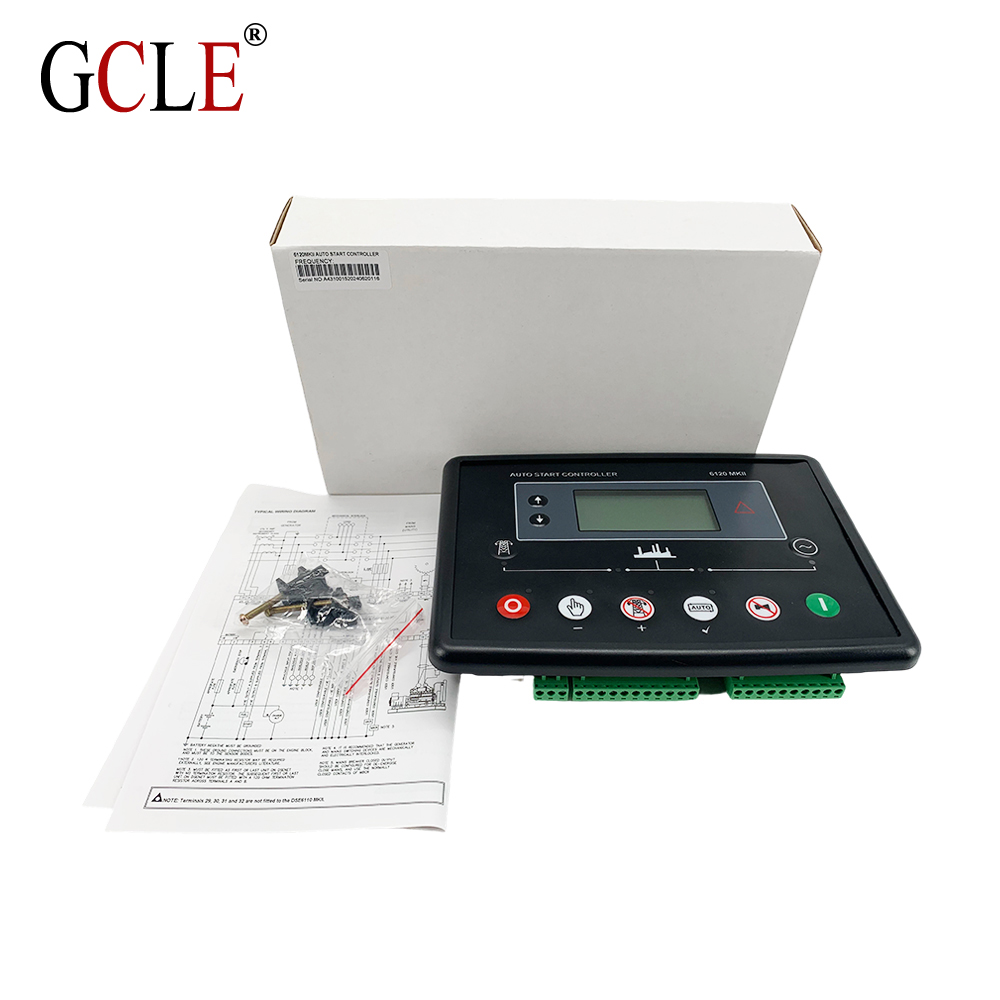
Core Electrical and Control Requirements for Generator ATS Compatibility Matching Voltage, Frequency, Phase Configuration, and Current Rating Start with fundamentals: the ATS must match the generator’s continuous output rating and the service...
VIEW MORE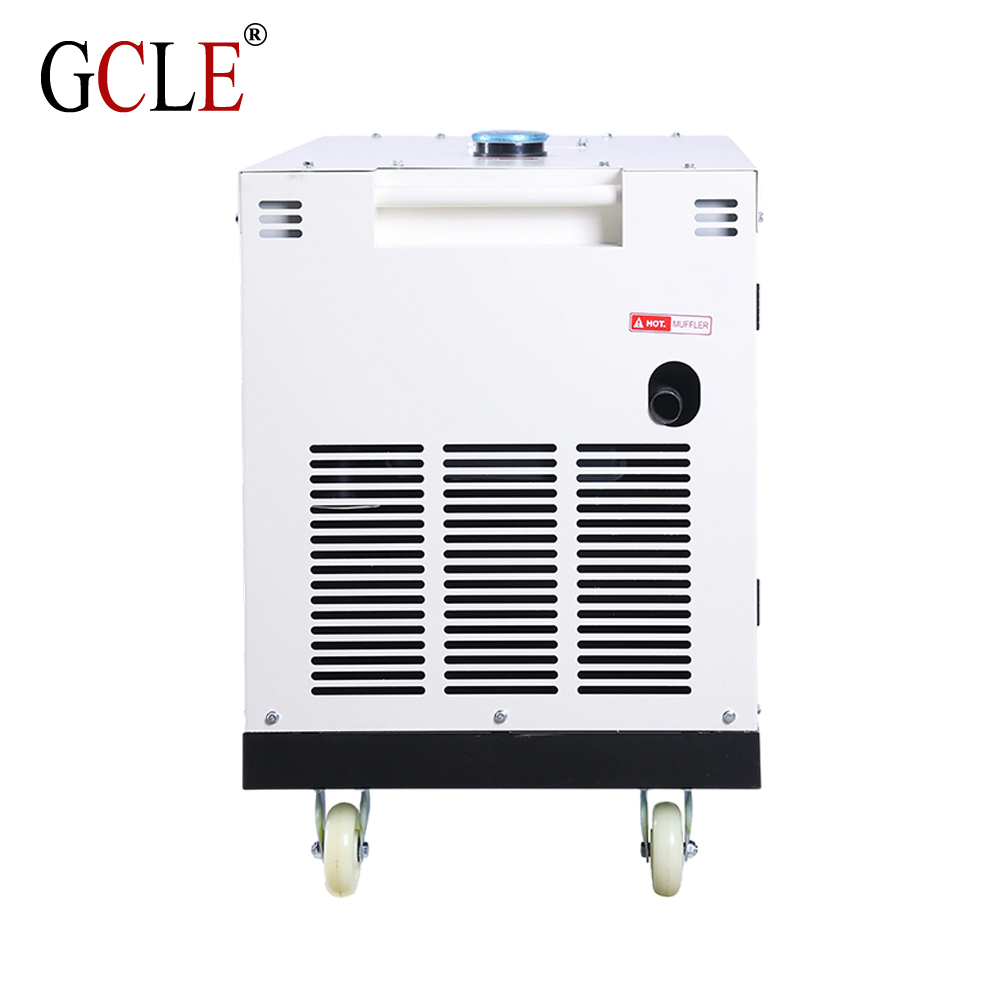
Generator ATS Fundamentals: Purpose, Types, and Compliance Requirements A generator Automatic Transfer Switch (ATS) automatically shifts the electrical load from utility power to a standby generator during an outage. It continuously monitors voltag...
VIEW MORE
How Digital and Analog Automatic Voltage Regulators Fundamentally Operate Analog AVRs: Continuous-Time Control Using Op-Amps and Feedback Networks An analog automatic voltage regulator (AVR) maintains generator terminal voltage through a continuous...
VIEW MORE
How Generator Type Determines Automatic Voltage Regulator Compatibility Generator excitation architecture determines whether an automatic voltage regulator (AVR) can be integrated directly—or requires an alternative control path. Brushed, bru...
VIEW MORE
An automatic voltage regulator (AVR) works on a closed-loop negative feedback principle. It continuously samples actual output voltage, compares it against a stable internal reference, calculates the error deviation, and drives an actuation st...
VIEW MORE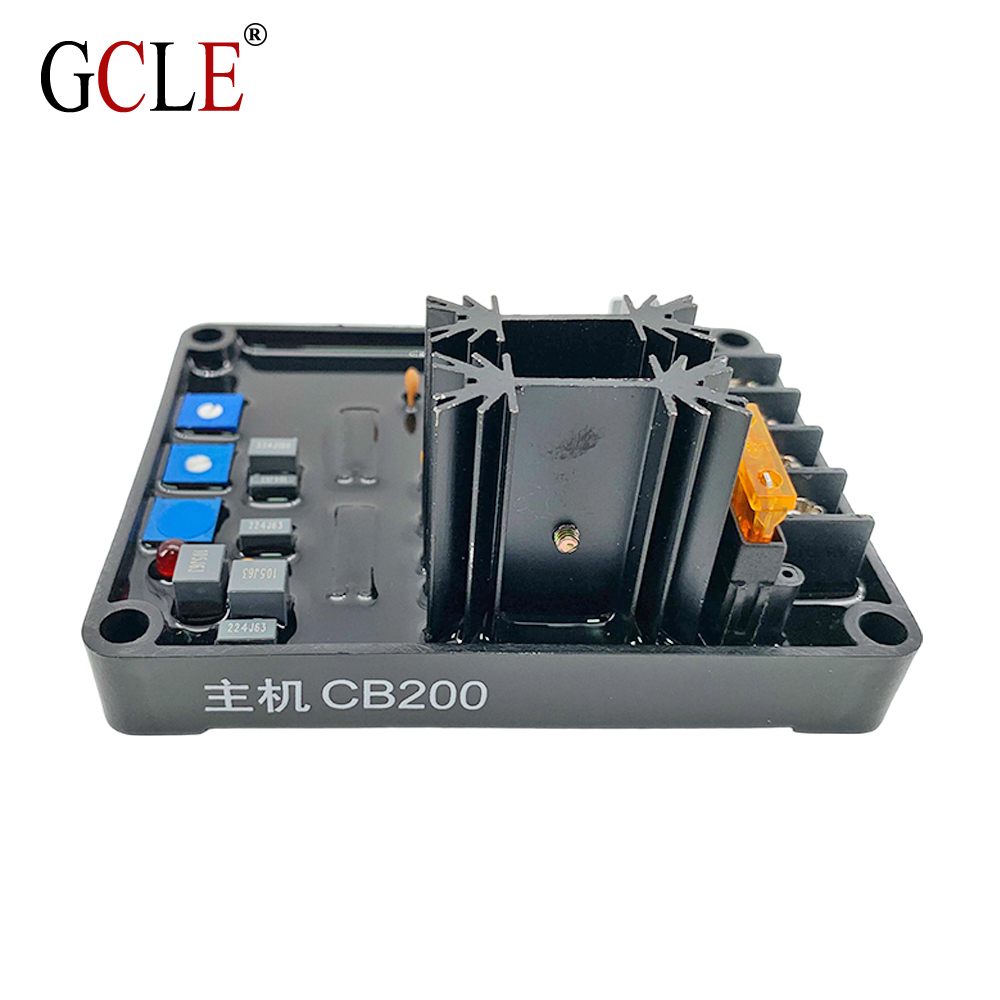
A genset announces most of its failures in advance, but only to someone who looks. Batteries corrode, fuel degrades, hoses harden, and connections loosen during the idle periods that dominate a standby genset life, and none of these conditions inte...
VIEW MORE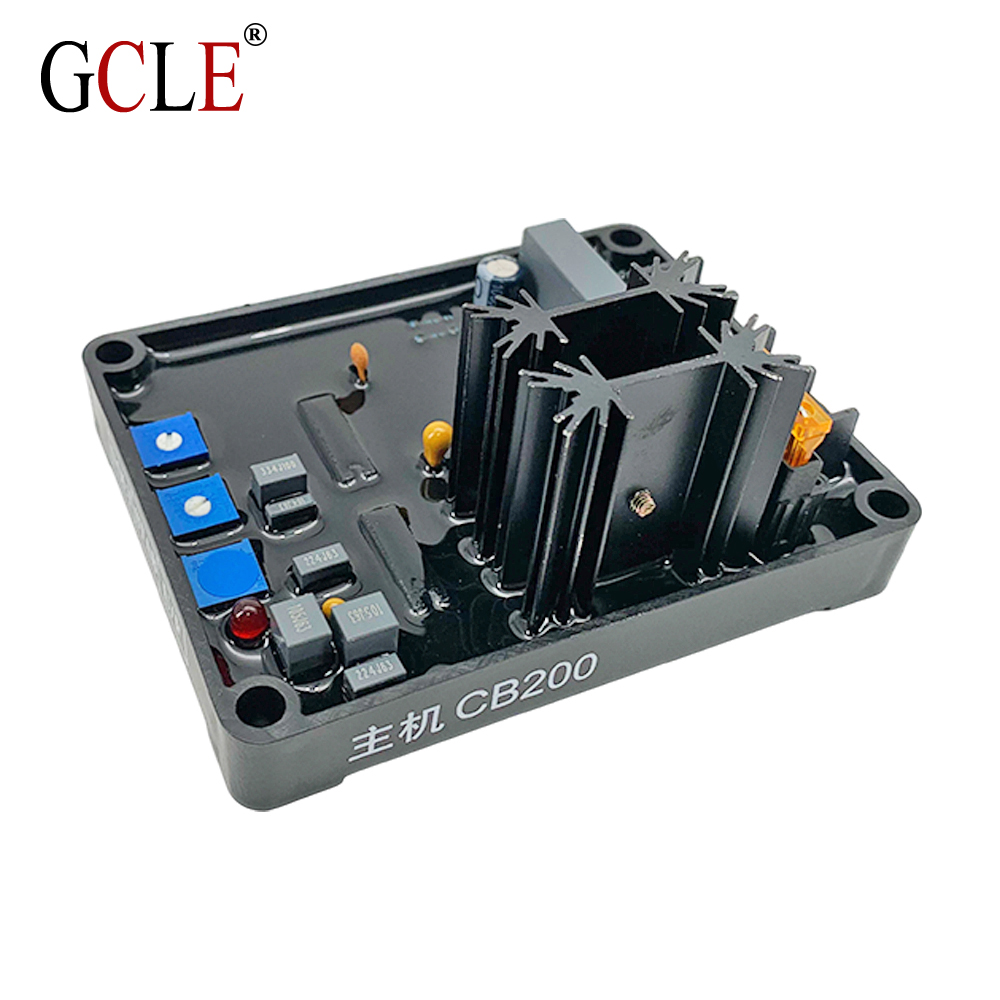
Starting a genset is a five-second action that depends on weeks of preparation. Before a genset start, fuel must be available and primed, the battery must deliver cranking current, coolant must be at level and in condition, the intake and exhaust p...
VIEW MORE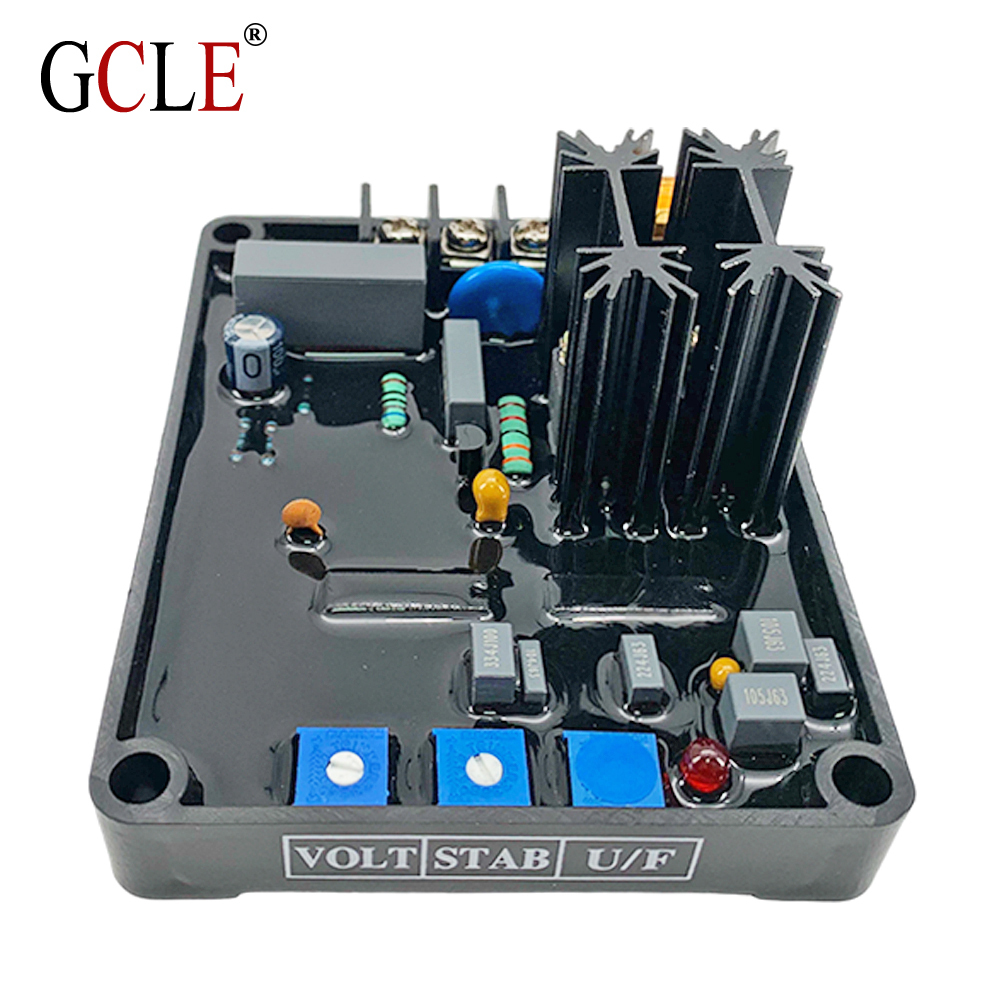
A genset spends most of its life waiting. Between power events, the genset engine sits idle, the battery holds a charge, fuel rests in the tank, and the cooling system settles. That idle majority is exactly why genset maintenance decides long-term ...
VIEW MORE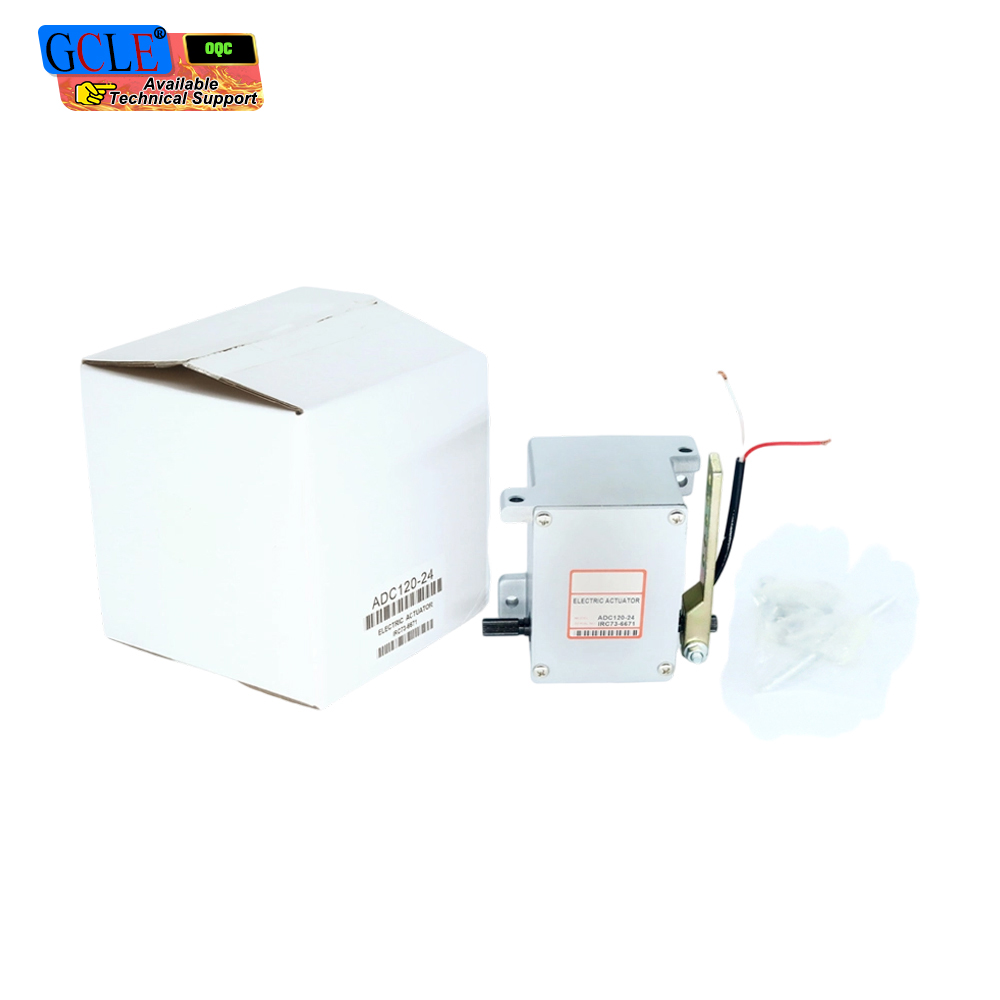
A controlled shutdown protects the engine, the load, and everyone standing near the machine. The engine solenoid sits at the heart of that control: a fuel shutoff engine solenoid moves the fuel control element, closing the fuel supply so combustion...
VIEW MORE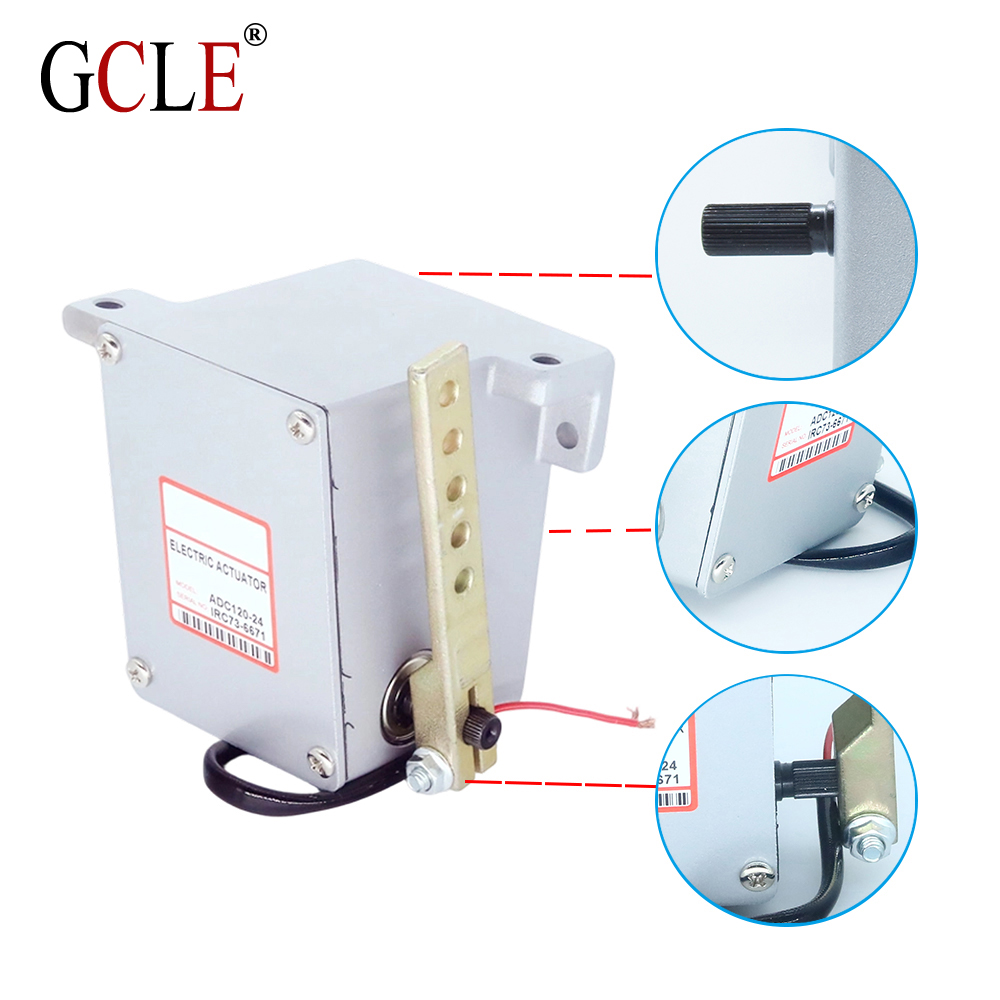
The short answer is yes. Engine solenoids are among the most common electromechanical components in engines of every size, and the 12V and 24V DC systems that power them are the two dominant architectures across small engines, industrial engines, a...
VIEW MORE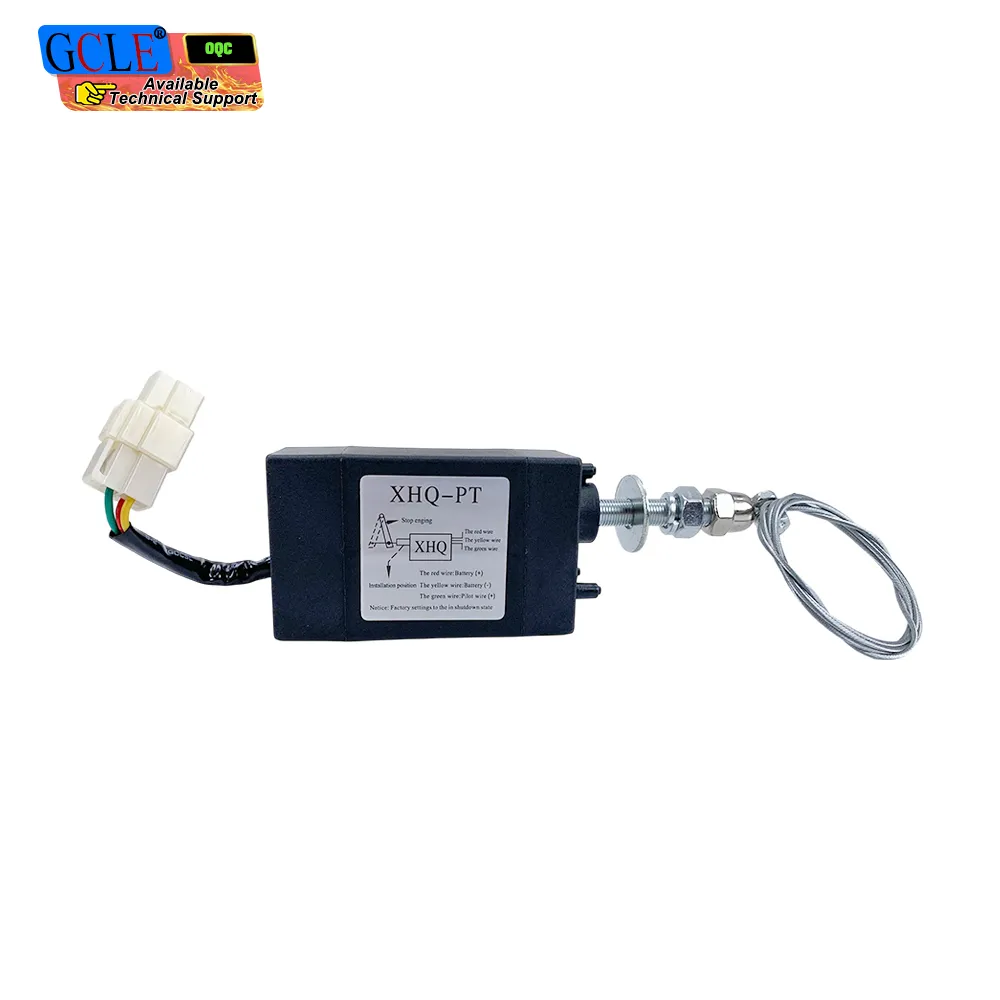
A Cross-Model Swap That Worked A service truck broke down at a remote site with a failed shutoff on a borrowed genset. The stock engine solenoid was not on the truck, but a close-rated unit from another brand was. The technician checked voltage, th...
VIEW MORE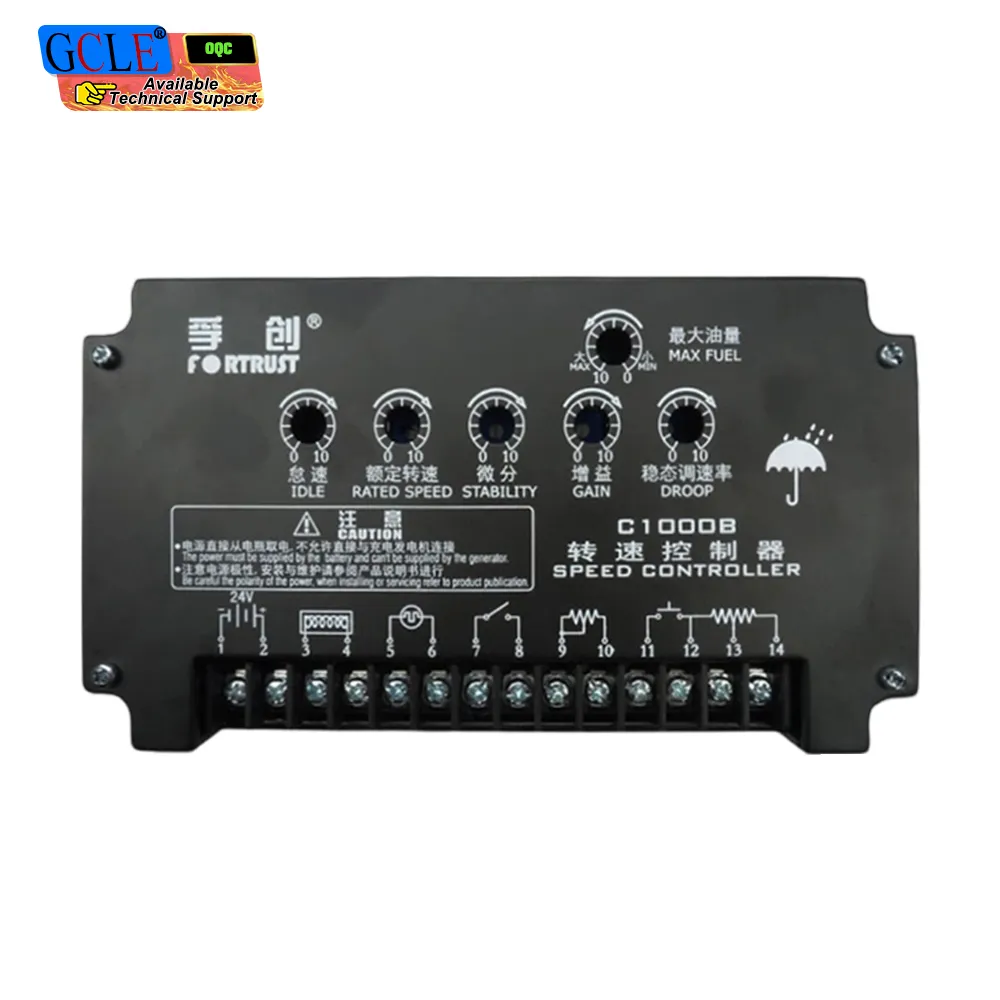
A Governing Problem at a Remote Site A telecom site on a windy coast kept tripping its inverter because the genset frequency wandered whenever the load stepped. The speed controller was set too soft, so the engine lagged on every change and the inv...
VIEW MORE


 EN

