
 EN


The Critical Link Between Generator Safety and a Properly Functioning Speed Governor
A generator that cannot maintain stable rotational speed under changing load conditions is a liability, not an asset. The speed governor — often the least discussed component in generator specification sheets — is the device that prevents catastrophic overspeed failures, protects connected equipment from frequency damage, and ensures the generator delivers usable power the moment it starts.
How a Speed Governor Protects Against Generator Failure Modes
Overspeed Prevention: The Ultimate Safety Function
Every diesel generator has a maximum safe rotational speed, typically 1,500 RPM for 50 Hz four-pole machines and 1,800 RPM for 60 Hz equivalents. Beyond these speeds, centrifugal forces on the rotor windings exceed design limits, and the mechanical stress can cause winding displacement, bearing failure, or in extreme cases, rotor disintegration. A failed speed governor that allows the engine to run away — feeding diesel fuel without the restraining signal that says "enough" — creates a mechanical hazard that no circuit breaker can stop.
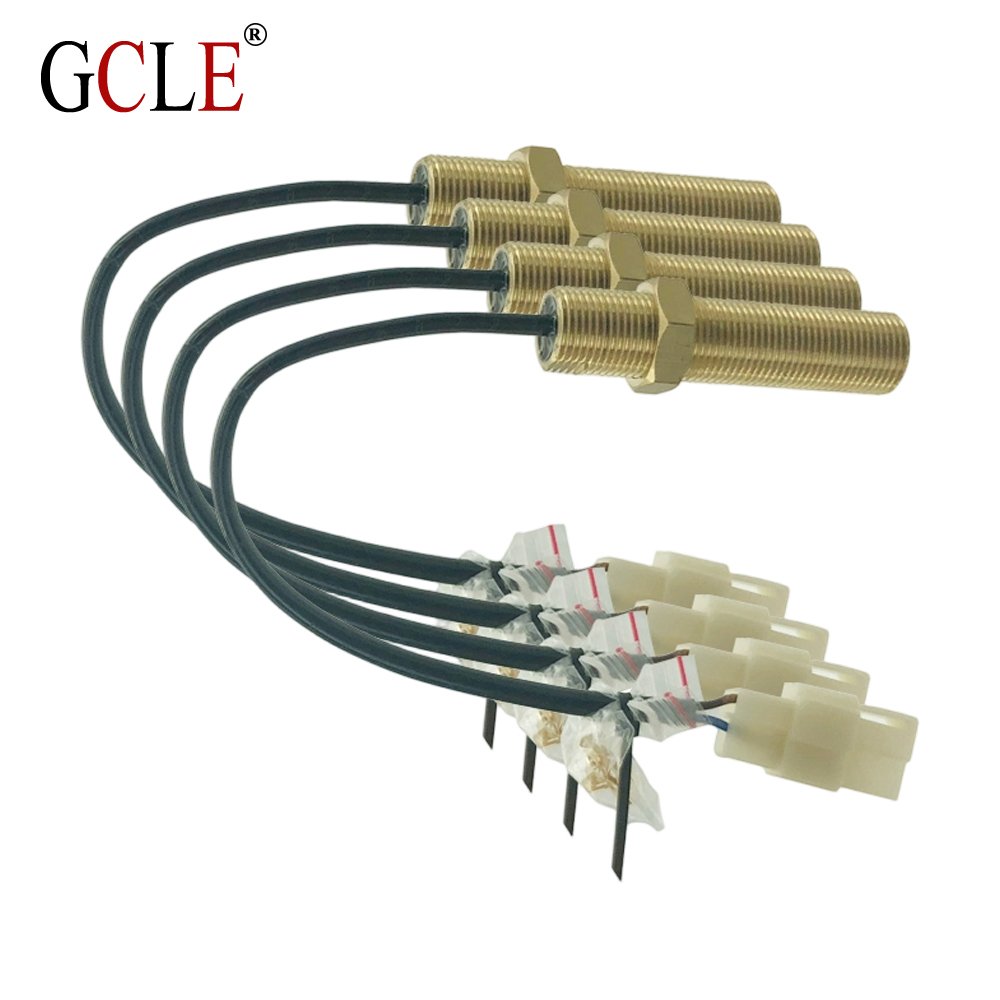
Electronic speed governors monitor engine RPM through a magnetic pickup sensor reading a toothed flywheel ring. The sensor generates an AC voltage whose frequency is proportional to engine speed. The governor's microprocessor compares this frequency against the setpoint (1,500 or 1,800 RPM equivalent to 50 or 60 Hz) and adjusts the actuator position that controls the fuel injection pump rack. When load increases and RPM begins to drop, the governor increases fuel delivery within milliseconds, restoring speed before the frequency deviation exceeds 2–3%. When a heavy load disconnects suddenly, the governor rapidly pulls back fuel to prevent overshoot — a critical function that a lazy or failed governor cannot perform.
Frequency Stability and Connected Equipment Protection
Generator frequency output follows engine RPM exactly. A 1% drop in RPM produces a 1% drop in frequency — from 50.0 Hz to 49.5 Hz. Sensitive equipment, particularly medical imaging systems, data center servers, and variable-frequency drives in industrial motors, tolerates frequency deviations of only ±1–2% before triggering protection shutdowns or operating outside specification.
The speed governor's response time and droop setting determine how tightly the generator holds frequency through load changes. Isochronous mode — where the governor maintains exactly the same speed regardless of load — suits single-generator installations. Droop mode, typically set at 3–5%, allows multiple generators to share load proportionally in parallel configurations. An incorrectly configured droop setting causes one generator to hog load while others idle, creating uneven wear and potential overload trips.
Mechanical vs. Electronic Speed Governors: A Reliability Contrast
Mechanical speed governors use spring-loaded flyweights driven by the engine camshaft. As engine speed increases, centrifugal force pushes the flyweights outward against spring tension, pulling the fuel rack toward the closed position. This mechanical feedback loop is simple but suffers from friction, wear, and a response time of 200–500 milliseconds — acceptable for steady loads but marginal for rapid changes.
Electronic speed governors eliminate mechanical friction points. A microprocessor-based PID controller reads the magnetic pickup signal and drives an electric actuator typically in 10–50 milliseconds. The faster response allows tighter frequency control and prevents the voltage and frequency dips that mechanical governors produce when large motors start. For critical applications — hospitals, data centers, pharmaceutical manufacturing — the upgrade from mechanical to electronic speed governing often represents the single most impactful reliability improvement per dollar spent.
A Hospital's Generator Near-Miss
A regional hospital running a 500 kVA diesel generator for emergency backup experienced a near-catastrophic overspeed event during a monthly test. The mechanical speed governor, original to the 15-year-old generator, had developed internal friction in the flyweight linkage that prevented it from closing the fuel rack fully when the test load was disconnected. Engine RPM surged to 2,100 before an alert operator hit the emergency stop.
Post-incident inspection revealed the flyweight pivot pins had worn into an oval shape, creating enough slop in the linkage that the governor could not respond below approximately 1,800 RPM — the engine's rated speed. The hospital replaced the mechanical governor with an electronic speed governor sourced from Ningde Dragon Technology, which provided direct compatibility with the existing magnetic pickup sensor and actuator mount. Post-installation, the generator held speed within ±0.5% across load steps from zero to full rated output. The hospital updated its preventive maintenance schedule to include governor response testing every quarter.
Frequently Asked Questions
What is the difference between isochronous and droop speed governing?
Isochronous governing maintains exactly the same speed regardless of load — ideal for single-generator installations. Droop governing allows a 3–5% speed reduction from no-load to full-load, enabling proportional load sharing between parallel generators. Ningde Dragon Technology's electronic speed governors support both modes.
How often should a generator speed governor be tested?
Test governor response during every monthly generator exercise by simulating a load rejection — briefly run at 80% load, then disconnect and observe whether the engine overspeeds. Formal calibration every 500 operating hours or annually, whichever comes first, catches wear before it causes overspeed events.
Can an electronic speed governor be retrofitted to an older generator?
Yes, most mechanical governor mounts can accept electronic retrofit kits. The installation requires a magnetic pickup sensor (if not already present) and a compatible actuator bracket. The retrofit typically pays for itself through reduced frequency-related equipment damage.
What are the symptoms of a failing speed governor?
Hunting — RPM oscillating ±50–100 RPM around the setpoint — is the earliest symptom. Slow response to load changes, audible frequency shifts when equipment starts, and black smoke during load acceptance indicate deteriorating governor response.
What causes electronic speed governor failure?
The most common failure points are the magnetic pickup sensor (contaminated by metal debris or misadjusted gap), actuator wiring corrosion, and power supply instability. The microprocessor itself rarely fails — almost all electronic governor issues trace to sensors or connections.
How does temperature affect speed governor performance?
Electronic governors include temperature compensation in their PID algorithms. Mechanical governors are temperature-sensitive because spring rates change with temperature and oil viscosity affects flyweight movement. Electronic governing eliminates these thermal variables.

